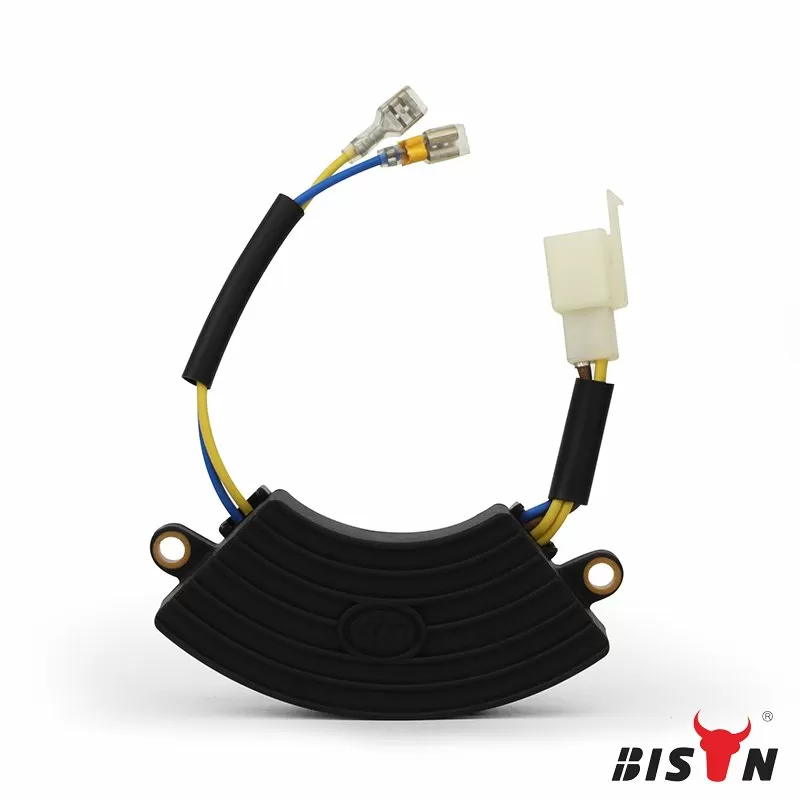
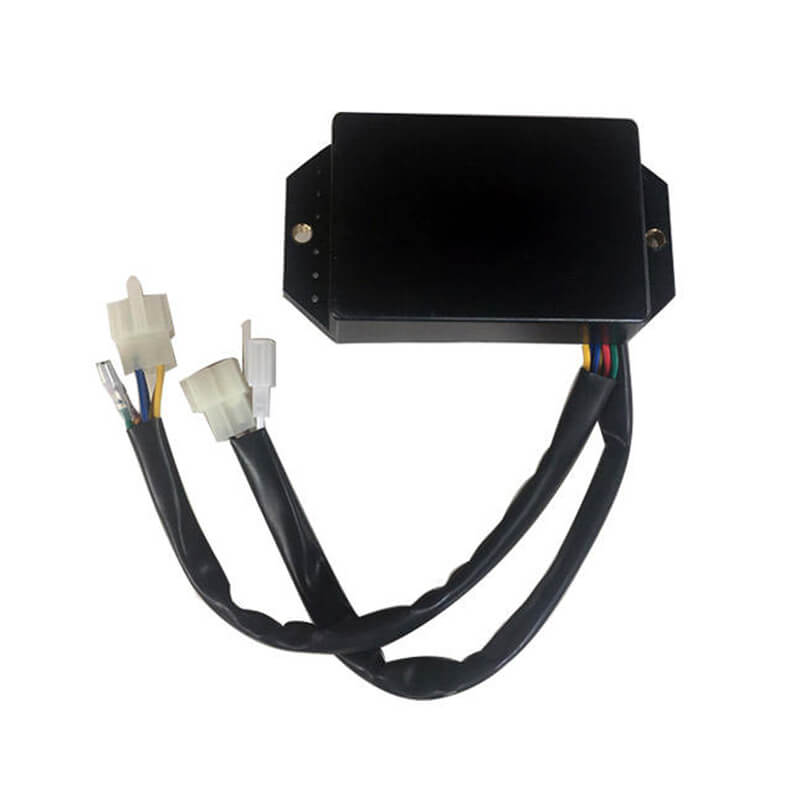
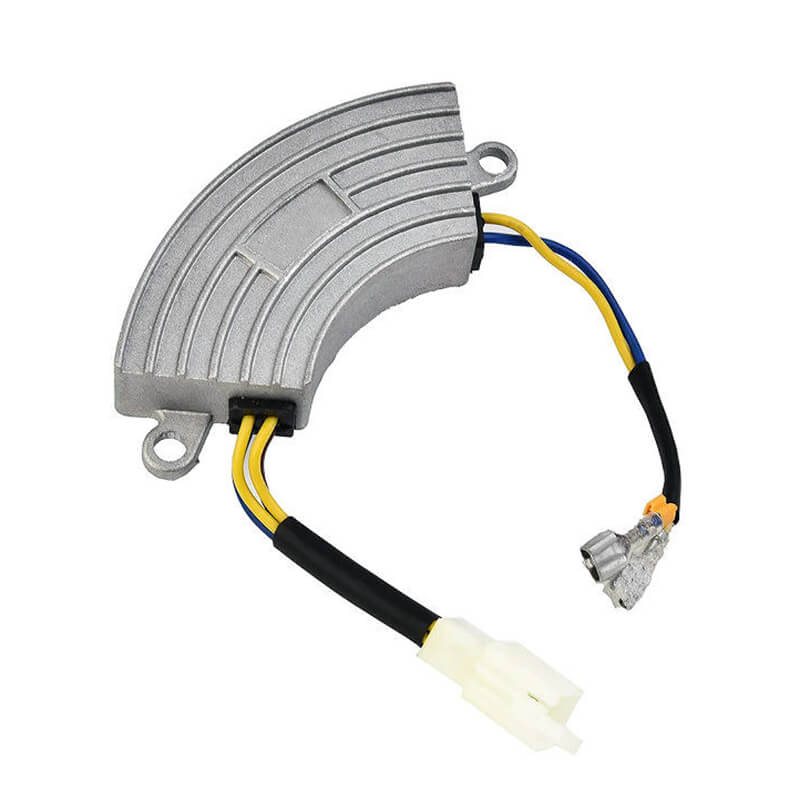
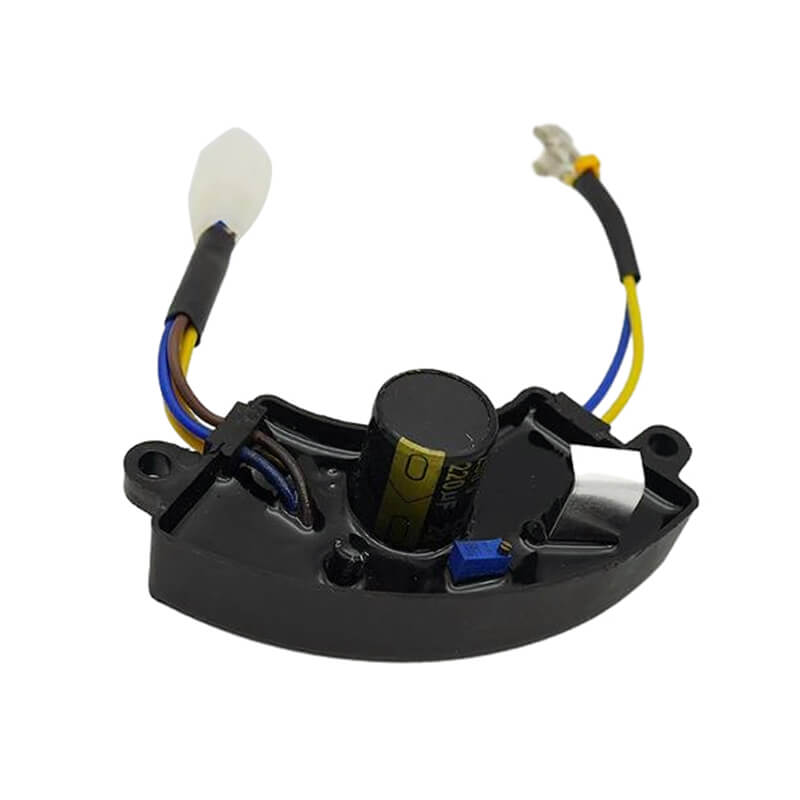
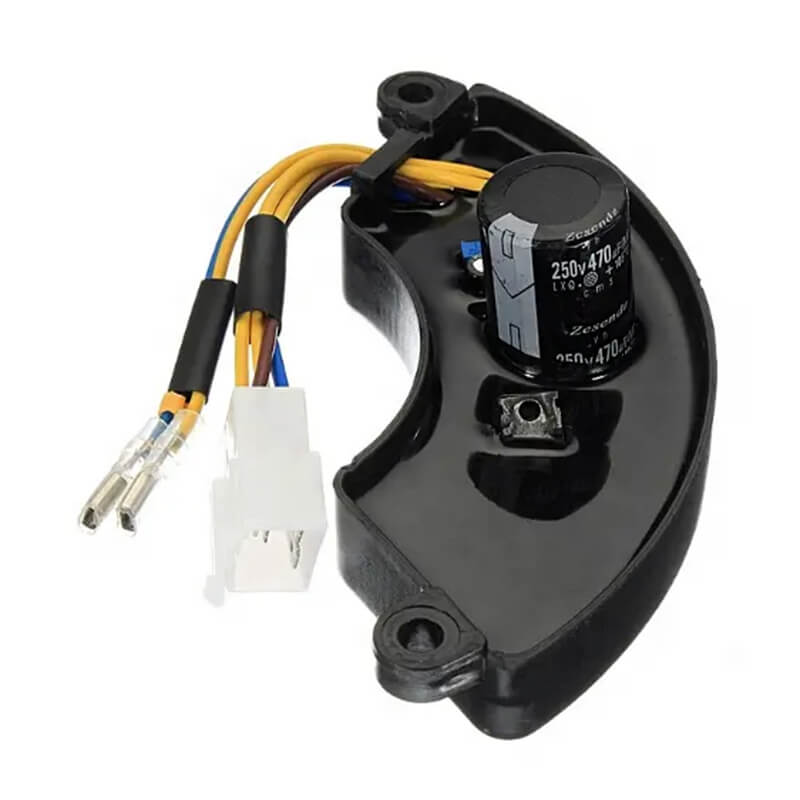
An essential but often overlooked generator component is the Automatic Voltage Regulator (AVR). Whether you're using a generator for industrial applications, backup power, or outdoor activities, the AVR plays a crucial role in maintaining stable voltage output. Without it, voltage fluctuations can cause overheating, damage sensitive equipment, and reduce the overall lifespan of your generator.
Choosing the right AVR is critical to optimizing generator performance and ensuring long-term reliability. However, this decision can be complex, given the wide variety of AVRs with different features, specifications, and compatibility requirements. Factors such as generator size, usage type, and environmental conditions must be considered when selecting the best AVR for your needs.
Whether you're replacing a faulty AVR or upgrading for better performance, selecting the correct AVR will help your generator run efficiently, deliver consistent power, and safeguard your electrical systems. If you’re unsure which AVR to choose, this guide is here to help. It covers everything you need to know—from voltage regulation functions and compatibility tips to installation considerations—so you can make a confident, informed decision.
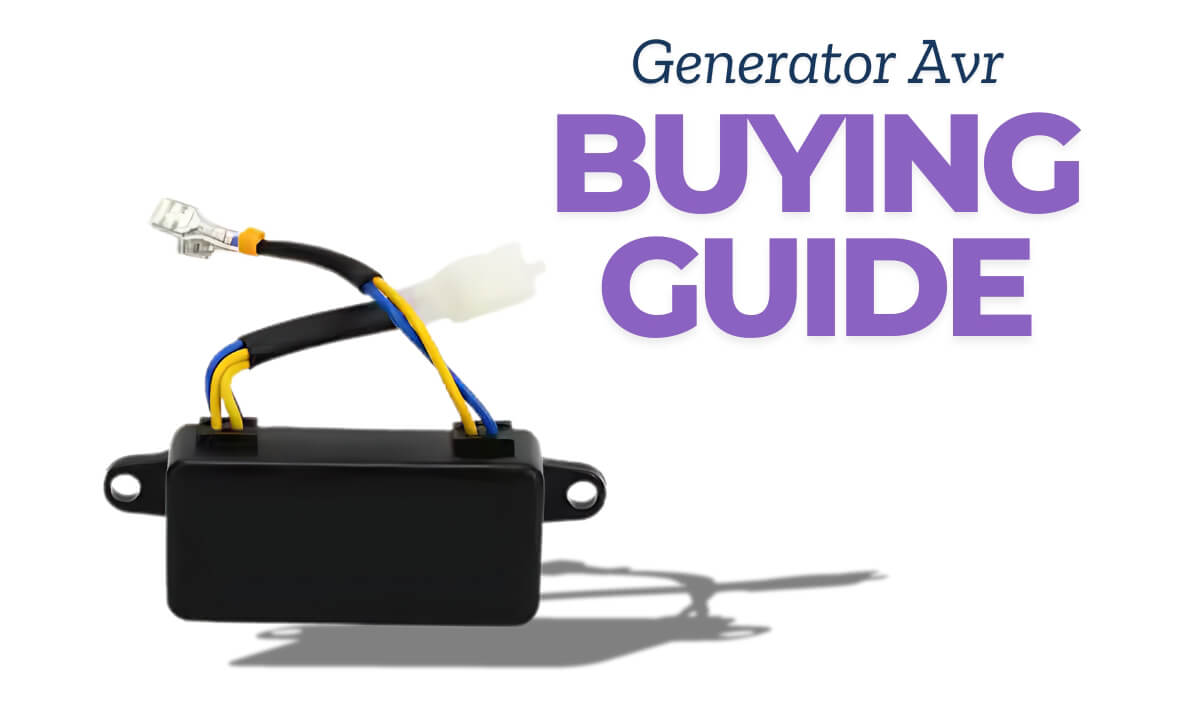
What is a generator AVR?
An automatic voltage regulator (AVR) is an electronic device in a generator that ensures the output voltage remains stable and consistent.
In a typical generator setup, the alternator generates electricity, but this output can fluctuate based on the load demand. These fluctuations can lead to damaging voltage spikes or drops that affect both the generator and the equipment it powers. The AVR acts as the stabilizing force. It monitors the output voltage in real-time and adjusts the excitation current to the alternator accordingly. If the voltage drops due to increased load, the AVR boosts excitation to maintain voltage. If the load decreases, it reduces excitation to prevent overvoltage.
Key functions of a generator AVR:
Voltage regulation: Maintains a constant output voltage by adjusting excitation to the alternator. Whether the generator is powering a few appliances or handling a heavy industrial load, the AVR constantly adjusts to deliver smooth and reliable voltage.
Protection: Prevents voltage spikes or drops that can damage sensitive electronics like computers, medical equipment, and control systems.
Efficiency: Reduces stress on the generator components, improving durability and fuel efficiency.
Load compensation: Instantly responds to changes in power demand, ensuring stable performance even under varying loads.
Without generator AVR, a generator may deliver erratic voltage, leading to overheating, shortened lifespan, and equipment damage. AVRs are especially critical for generators used in environments with sensitive electronics, fluctuating power demands, or long continuous operations.
Key features to consider when purchasing an AVR for your generator
Choosing the proper automatic voltage regulator (AVR) ensures your generator operates efficiently and reliably. With so many different types of AVRs on the market, it's essential to focus on a few key features that will meet the needs of your generator and power equipment.
When choosing an AVR for your generator, it’s important to look at specific features that directly impact performance, safety, and ease of use. Understanding these key aspects will ensure you get the right AVR to suit your needs.
Voltage regulation accuracy and stability requirements
Voltage regulation is one of the most critical features of an Automatic Voltage Regulator (AVR). A high-quality AVR will regulate the voltage within a narrow range, ideally ±1% or better, to ensure reliable performance. This tight voltage regulation minimizes the risk of overvoltage or undervoltage conditions that can harm sensitive devices. For applications that demand high-precision voltage control, such as powering sensitive electronics, a digital AVR or a high-precision AVR is essential to maintain voltage stability.
On the other hand, if your application involves less sensitive equipment, such as motors or tools, a more basic AVR may be sufficient. These options are more cost-effective while still providing the necessary voltage regulation for non-sensitive devices.
Fast response time
A good AVR will also respond quickly to sudden changes in load. This is crucial for sensitive electronics, as power fluctuations can cause malfunctions, data loss, or damage. Look for an AVR that can detect and correct voltage dips or surges almost instantly to ensure reliable operation.
Determining generator power
By carefully evaluating the generator's size, power rating, voltage, frequency, and phase, you can select the appropriate AVR to ensure stable performance and protect the generator and the equipment it powers.
First, check the generator's power rating (kVA) and the maximum voltage output required by the load. The AVR needs to match or exceed the generator's power output to effectively handle the electrical load. For example, a higher-rated industrial generator requires a more powerful AVR, while a smaller standby generator for home use may require a simpler model. An undersized AVR may struggle to maintain stable voltage, leading to problems such as flickering lights, equipment malfunctions, or potential damage to connected equipment.
Another key factor is ensuring the AVR is compatible with your generator's frequency setting (50Hz or 60Hz). A frequency mismatch between the AVR and generator can lead to instability and equipment damage. Similarly, the phase type (single-phase or three-phase) is also important. Single-phase generators typically power smaller equipment, while three-phase generators, commonly used in industrial settings, require an automatic voltage regulator (AVR) specifically designed to regulate more complex power systems. Additionally, the output voltage (e.g., 110V, 220V, 240V) should match the voltage range required by your equipment.
Finally, consider the type of generator—portable or standby. Not all AVRs are compatible with all types of generators. Portable generators typically use smaller AVRs designed for lighter, temporary loads, while standby generators (designed for backup power during power outages) typically require larger, more powerful AVRs to handle sustained, heavier power demands. Furthermore, some AVRs are designed for diesel generators, while others are better suited for gas generators.
Consider environmental conditions and build quality
The selection of an Automatic Voltage Regulator (AVR) should take into account the environmental conditions where your generator operates. If your generator is exposed to harsh environments, such as high temperatures, humidity, dust, or vibrations, it’s essential to choose an AVR that can withstand these challenges.
Look for AVRs with IP-rated enclosures, which provide protection from water, dirt, or dust. This feature is especially important if the generator is used outdoors or in industrial settings. Additionally, check if the AVR offers weatherproofing or corrosion resistance to ensure its longevity in tough conditions.
Installation
When selecting an Automatic Voltage Regulator (AVR), consider how easy it is to install and maintain. AVRs come with different mounting options, some AVRs are designed for straightforward installation and integration with your generator’s control system, while others may require professional assistance. Check if the AVR includes clear installation instructions and consider whether you can handle the installation yourself or need expert help.
Safety features
Safety features are another important consideration when choosing an AVR. A good AVR includes several protection mechanisms to safeguard both the generator and the connected equipment:
Surge protection to protect against voltage spikes.
Overload protection to prevent damage from excessive load.
Undervoltage and overvoltage protection to ensure voltage levels remain within safe ranges for devices.
Short circuit protection to prevent damage from electrical faults.
These built-in protections help prevent generator failure and reduce the risk of equipment damage, ensuring the longevity of your system.
Conclusion
Investing in a durable, reliable AVR is a smart choice for long-term benefits, including enhanced protection, improved efficiency, and reduced operational costs. Whether you're using your generator for residential, business, or industrial purposes, a dependable AVR is crucial to ensure safe and uninterrupted operation.
Ready to find the perfect AVR for your generator? Explore our range of high-quality AVRs designed to meet different generator needs. Contact us today to learn more or purchase the ideal AVR for your system.