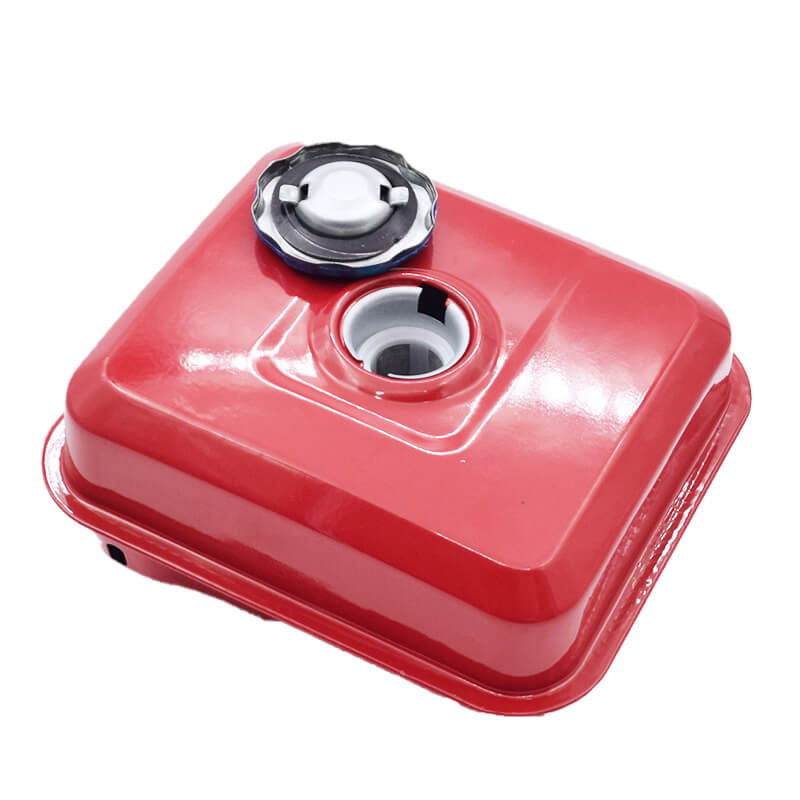
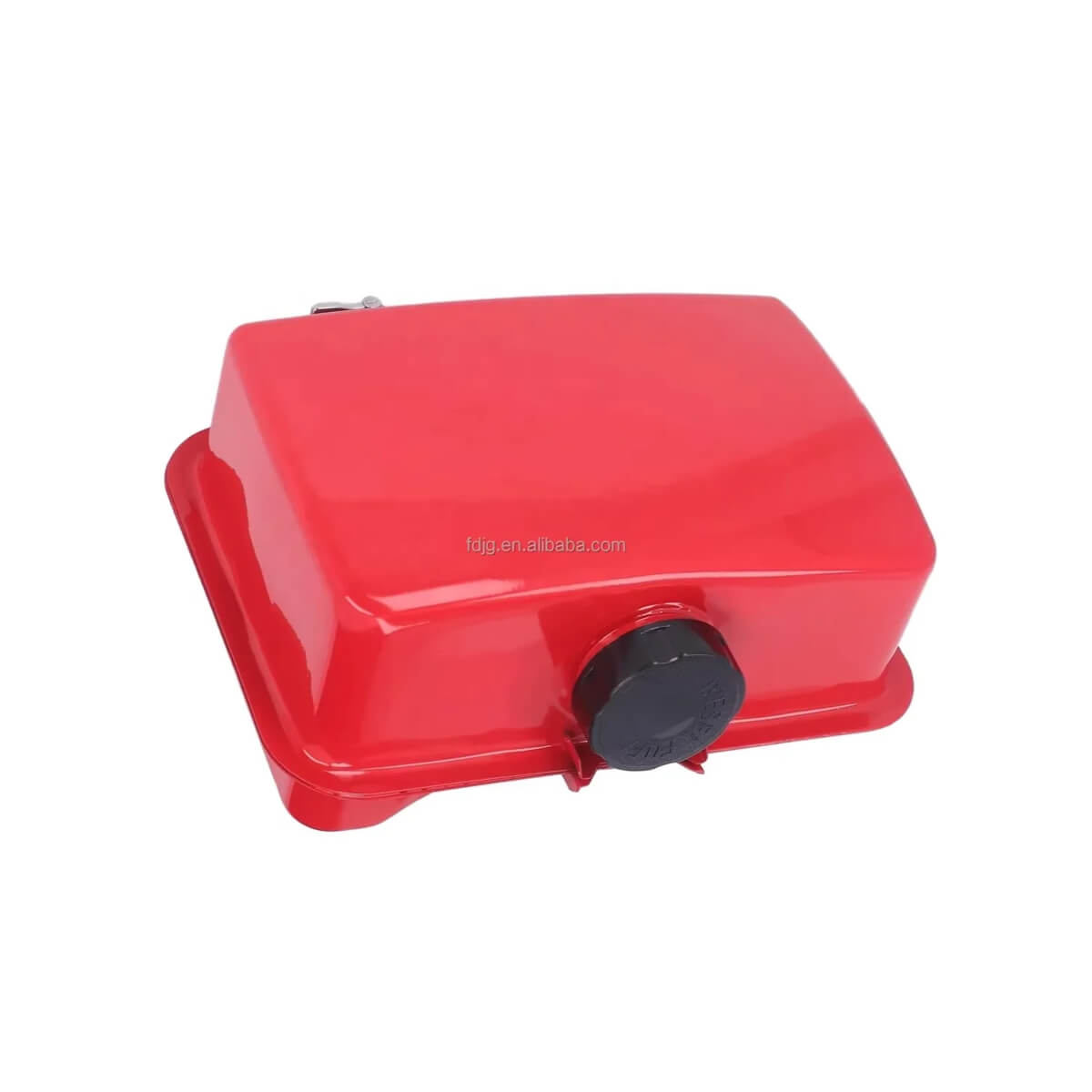
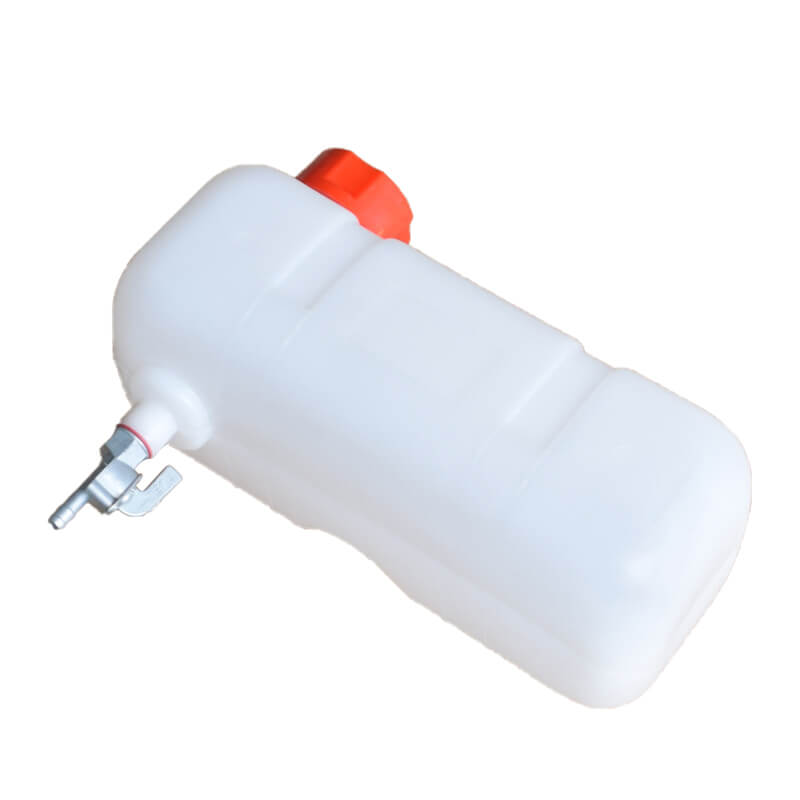
A reliable engine is only as good as its fuel tank. The fuel tank plays a crucial role in storing the fuel that powers your engine, ensuring it runs efficiently and consistently.
Choosing the correct fuel tank involves understanding several factors, including size, capacity, type, and compatibility with your engine. The right tank ensures that your machine runs without interruption, minimizing the need for frequent refueling and extending its operational time. The wrong choice, on the other hand, can lead to issues like fuel shortages, inefficiency, and even damage to the machine.
With a variety of fuel tanks available on the market—ranging from small, portable models to large, permanently installed options—this guide will walk you through the key features to consider. By keeping these key features in mind, you can select the ideal fuel tank to meet your specific needs.
This comprehensive buying guide will help you navigate the choices, focusing on critical aspects such as tank size, material durability, fuel type compatibility, and overall performance.
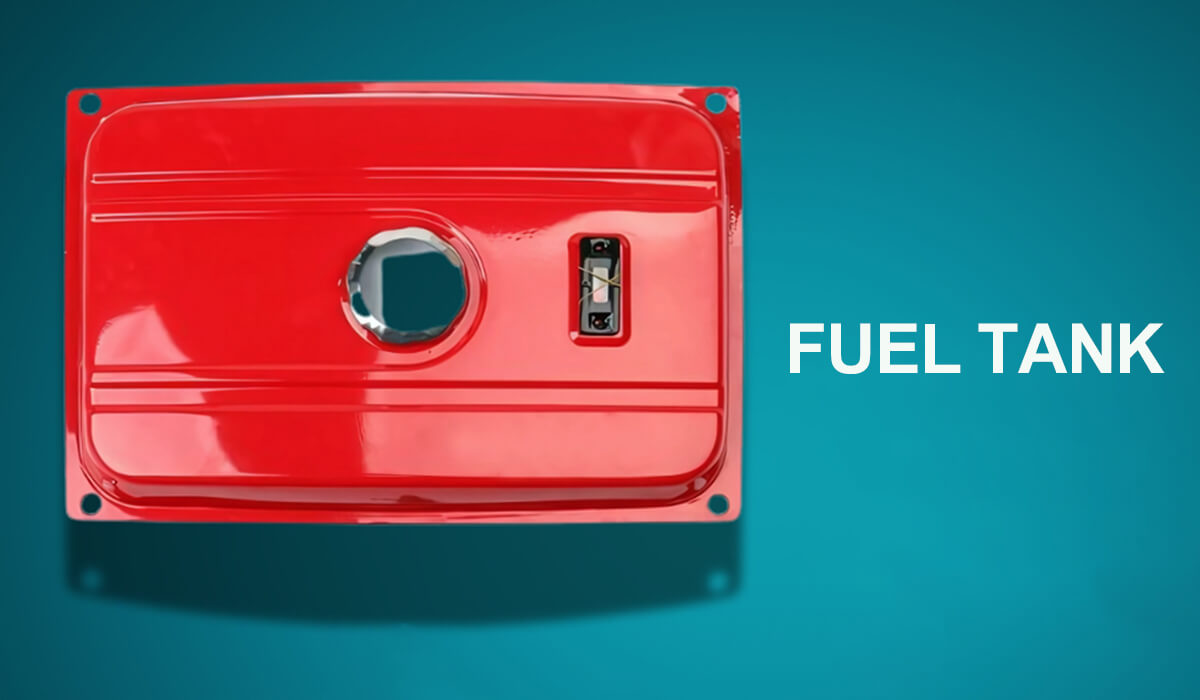
Types of fuel tanks
Fuel tanks come in various styles, each suited to different applications, from portable setups to large, fixed installations. Below are the main types of fuel tanks to consider:
Primary fuel tanks
Primary fuel tanks are built directly into the engine. These are the most common type and are typically integrated into the unit itself. Primary fuel tanks are compact, space-saving, and cost-effective, making them ideal for smaller machines with short to medium runtimes. However, they are limited in size and fuel capacity compared to other tank types. Usually ranges from 5 to 50 gallons, depending on the engine's fuel consumption and runtime needs.
Pros:
Cons:
Limited fuel capacity, leading to shorter runtimes between refills.
May require more frequent maintenance or refilling.
External fuel tanks
External fuel tanks are separate from the machine and are connected via hoses. These tanks are ideal for extending the runtime of the machine, especially for long-duration use. External tanks offer flexibility in terms of placement and tank size but require additional setup for plumbing connections.
Pros:
Allows for extended operation without frequent refueling.
Flexible in terms of size and placement.
Suitable for applications requiring continuous or long-term operation.
Cons:
Requires extra space for the tank and additional setup.
More complex plumbing setup.
Potentially more expensive due to the additional tank and components.
Sub-base fuel tanks
Sub-base fuel tanks are integrated directly into the base, providing both structural support and fuel storage. These are typically used with standby generators, offering a compact design that maximizes space efficiency while ensuring a constant fuel supply.
Pros:
Compact and space-saving, reducing the generator’s footprint.
Supports the generator's weight while providing fuel storage.
Often customized based on runtime needs.
Cons:
Integrated design limits capacity options.
Less portable than stand-alone tanks.
Typically suited for larger, more stationary generators.
Calculating fuel needs
The size of your fuel tank significantly impacts how long your machine can run before it requires refueling. A larger tank supports longer runtimes, which is crucial for extended power outages or critical applications. To choose the right size, you need to estimate your machine's fuel consumption rate and calculate the desired runtime.
The fuel consumption rate is usually measured in gallons or liters per hour (GPH or LPH). The more fuel the tank holds, the longer the machine can operate without refueling. For example, if a generator consumes 1 gallon of fuel per hour and you need it to run for 8 hours, a tank with at least an 8-gallon capacity is necessary.
BISON fuel tank sizes can range from small 1-5 gallon tanks for portable generators to larger 100+ gallon tanks for industrial systems. Additionally, ensure the space available for the fuel tank aligns with the size you choose.
Fuel tank material
When selecting a fuel tank, it's crucial to understand the different material options. The tank's material directly impacts its durability, weight, corrosion resistance, and overall performance. The most common materials for fuel tanks are steel, aluminum, and high-density polyethylene (HDPE), each with its own advantages.
Steel: Steel offers exceptional durability and weather resistance, making it an ideal choice for permanent installations or industrial installations. It can withstand heavy use and is often preferred for demanding applications. Steel tanks are heavier than other materials and are prone to rusting over time, especially in wet or inclement weather conditions. However, many steel tanks are available with an anti-corrosion coating to mitigate this issue.
Aluminum: Aluminum is lightweight and corrosion-resistant, making it an ideal choice for portable fuel tanks. It is durable enough for long-term use and offers good weather resistance. However, due to its light weight, it is more susceptible to dents and impact damage.
High-density polyethylene (HDPE): HDPE tanks are lightweight, affordable, and highly corrosion-resistant, making them an ideal choice for portable applications. They are also less susceptible to rusting, which is crucial for tanks used in wet environments. But HDPE tanks are more susceptible to damage from impact and UV radiation.
Fuel tank fuel compatibility
When selecting a fuel tank, it's crucial to ensure it's compatible with the type of fuel it uses. Each fuel type—whether diesel, gasoline, propane, or natural gas—has its own unique storage and handling requirements. Using the wrong type of fuel tank can lead to inefficiency, potential damage, and even safety risks. Here's a breakdown of some key considerations:
Diesel: Diesel fuel tanks need to be durable and corrosion-resistant. Diesel fuel is susceptible to contamination and microbial growth, so diesel fuel tanks are typically made of steel or coated polyethylene to prevent rust and degradation.
Gasoline: Gasoline requires well-sealed, lightweight tanks to prevent evaporation and reduce the risk of fire. These tanks are designed for portability and are ideal for small mobile generators. It's crucial to ensure that gasoline tanks are designed with appropriate safety features, such as tight-fitting caps and venting systems, to prevent fuel leaks or vapor accumulation.
Propane: Propane is typically stored in pressurized tanks, which must be manufactured to strict safety standards. Propane requires specialized fittings to connect to the engine. These tanks must be pressure-rated for safe operation.
Natural gas: Machines powered by natural gas generally don't require a separate fuel tank. However, for remote areas where natural gas is not readily available, pressure-rated fuel tanks or storage systems may be required. These systems must be designed to handle the low-pressure conditions of natural gas storage.
Dual fuel tanks: To increase flexibility, some fuel tanks are designed to accommodate multiple fuel types, known as dual fuel tanks. These tanks can hold two different fuels, such as diesel and gasoline, allowing users to switch fuels based on availability or preference. Dual fuel tanks are particularly useful in areas where fuel types are scarce or fluctuating in price.
Cost considerations
When purchasing a generator fuel tank, it is essential to balance your budget with the long-term value of the tank. The cost of the tank can vary widely based on factors like size, material, and additional features.
Tank size: Larger tanks cost more but reduce refueling frequency, ideal for more demanding settings.
Materials: Steel tanks are durable but more expensive than polyethylene tanks. Double-walled tanks are also more costly but provide additional protection and may be required by regulations.
Features: Safety additions (anti-corrosion, overflow protection) increase cost but prevent costly spills. Monitoring systems increase convenience and reduce emergency refueling costs.
Maintenance: Standard tanks require less frequent maintenance. Regular maintenance prevents corrosion and contamination, helping to reduce overall costs.
Compliance: Permits, inspections, and environmental protections can add costs but prevent fines and legal problems.
It’s important to balance your needs with your budget to ensure you get a tank that fits both your requirements and your price range.
Important features to look for in fuel tanks
When choosing a fuel tank for your generator, several key features enhance its functionality, safety, and ease of use. These features can improve fuel management and prevent accidents, making your investment more reliable and efficient.
Fuel gauges
Fuel gauges are crucial for monitoring fuel levels, ensuring your generator has enough fuel to operate. There are several types to consider:
Mechanical gauges: Simple and easy to read but maybe less precise.
Sight glass: Allows you to visually check fuel levels, offering a direct view of the tank's contents.
Digital gauges: Highly accurate and easy to read but require power to operate, adding a layer of convenience.
Shut-off valves
Shut-off valves are essential for safety. They allow you to stop the fuel flow, reducing the risk of spills or accidents during refueling, maintenance, or emergencies.
Vents
Vents play a crucial role in fuel tank safety. They allow air to flow into and out of the tank as fuel is used or filled. This helps prevent pressure build-up, reducing the likelihood of leaks or rupture. Proper ventilation ensures your fuel tank operates efficiently and safely.
Fill caps/spouts
A secure and easy-to-use fill cap or spout is essential to prevent fuel spills during refueling. Look for caps or spouts that seal tightly and are designed for easy handling.
Fuel line/hose and fittings
Ensure the fuel line, hose, and fittings are compatible with your generator and made from high-quality, durable materials. These components are vital for maintaining a tight seal and preventing fuel leaks.
Easy refueling options
If you're dealing with large, fixed tanks, look for options that allow for direct and hassle-free refueling. Wide mouth openings or spigots can help minimize spills, ensuring a cleaner, safer refueling process.
Location of fill and drain ports
The placement of the fill and drain ports is another factor to consider. These ports should be easily accessible for both refueling and cleaning. Convenient positioning ensures smooth maintenance and prevents any difficulties in draining fuel or performing routine checks.
Single and double-wall fuel tanks
Single-wall tanks: These are more affordable but offer less protection. If there’s a leak, the fuel can escape into the environment, leading to potential hazards.
Double-wall tanks: These tanks have an additional protective layer, providing extra safety against spills and leaks. They are especially valuable for environmental protection and may be required by regulations in certain areas to minimize contamination risks.
Safety Features
Safety is a critical consideration when choosing a fuel tank. Some important features to look for include:
Venting system: Adequate ventilation prevents pressure buildup and fuel vaporization, reducing the risk of tank ruptures or dangerous leaks. Look for tanks with reliable venting systems to ensure safety during storage and operation.
Overflow protection: Tanks with built-in overflow protection help prevent spills during refueling, protect the environment, and reduce fire hazards. Overflow features often include an overflow alarm or automatic shut-off that activates when the tank reaches its maximum capacity.
Fuel gauge indicators: Fuel gauges provide a quick and accurate view of the fuel level, helping you monitor usage and prevent sudden power loss due to an empty tank. Choose a tank with an easy-to-read fuel gauge to streamline monitoring.
Fire safety and spill prevention: The tank should comply with local safety standards for fire protection and spill prevention. Features like double-wall construction add an extra layer of spill protection, making them safer for residential and commercial use.
Flame arrestors: These devices prevent flames from entering the tank, reducing the risk of fire.
Spill-proof designs: Some tanks are designed to prevent fuel spills, protecting the environment and ensuring safety during transport and use.
Approved certifications: Look for tanks with EPA or CARB certifications, which ensure the tank meets safety and environmental standards.
Conclusion
Choosing the right fuel tank is crucial to ensuring reliable performance and reducing long-term costs. In this article, we've highlighted some key considerations. Explore various fuel tank options today to find the one that best suits your needs.