BISON generator
500w to 200kw · 20+ years manufacturing experience · 50,000 m² factory

Purchasing by Other Categories of Generators
tools
BISON generator
500w to 200kw · 20+ years manufacturing experience · 50,000 m² factory
Purchasing by Other Categories of Generators
tools
Manufacturing company that makes generator product
Start working with BISON, we can provide everything you need for production, wholesale.
A holistic solution to your most common questions about BISON's products, services and brands.
The size of generator you need depends on your electrical needs. Typically, you can calculate wattage by adding up the wattage of each device you want to power. The basic formula is Watts=Volts x Amps. Most appliances will list their wattage on a nameplate on the back or bottom of the unit. This formula will help you determine how much power your generator must produce to run these projects simultaneously. For example, if you wanted to run five 100-watt light bulbs and an 800-watt coffee maker at the same time, you would need a generator that produces 2,500 watts (100 watts x 5 bulbs + 800 watts=2,500 watts).
In simple terms, portable generators typically require 2,000 to 4,000 watts to start large equipment such as well pumps or refrigerators. To run most household items, you'll need about 5,000 watts.
If you want to run all your household items, including the air conditioner, you'll need 8,000 to 10,000 watts.
A generator is a device that converts mechanical energy into electrical energy for use by an external circuit, providing power during a power outage. Its working principle is based on the generation of electromotive force through magnetic field changes.
Generators are used for a variety of purposes, from generating electricity to charging batteries to powering appliances and appliances such as refrigerators and water pumps. They can also be used in portable devices and vehicles.
The current produced can be: direct current (DC) or alternating current (AC)
Yes. BISON provides full OEM and ODM services at no additional design fee. You can customize the brand logo, packaging, color scheme, voltage/frequency settings, plug types, and engine specifications.
We handle everything from design mockups to final production. Typical OEM lead time is 30–35 days after artwork confirmation.
BISON generators are certified to CE, EPA, CARB, and other standards depending on the destination market. We also support regional certifications such as SONCAP (Nigeria), COC (Kenya/Tanzania), and SASO (Saudi Arabia).
If your market requires a certification we don’t currently hold, our compliance team can work with you to obtain it.
Every generator undergoes a 100% load test before leaving our factory. We provide a 12-month warranty covering manufacturing defects, and our after-sales team is available to troubleshoot remotely via video call. For confirmed defective units, we ship replacement parts at no cost, or credit the value toward your next order.
Standard models are usually ready to ship within 15–20 days. OEM/ODM orders typically require 30–35 days. BISON ships via sea freight to all major ports worldwide, and we work with established freight forwarders to ensure competitive shipping rates. We support FOB, CIF, or DDP terms based on your preference.

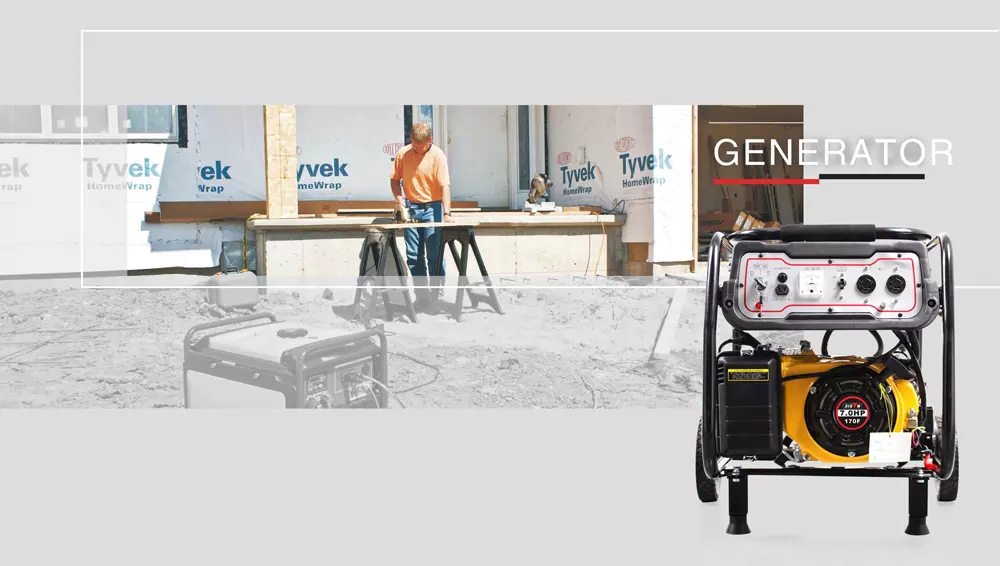
Whether you are a first-time importer or an experienced distributor expanding your product line, understanding generator basics will help you make better purchasing decisions. This guide covers the key factors that affect wholesale demand, so you can choose the models that sell best in your market.
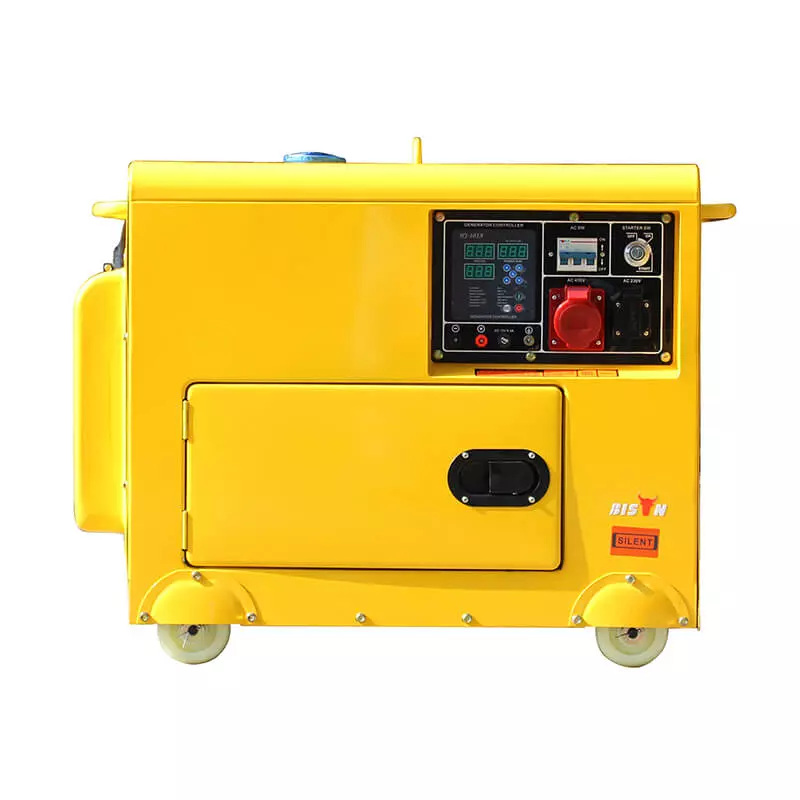
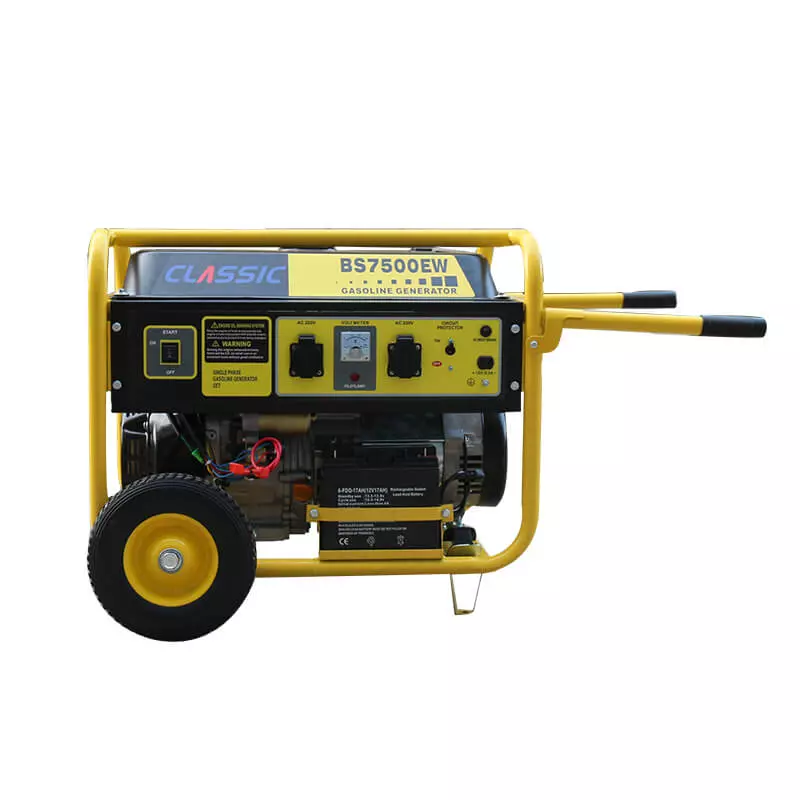
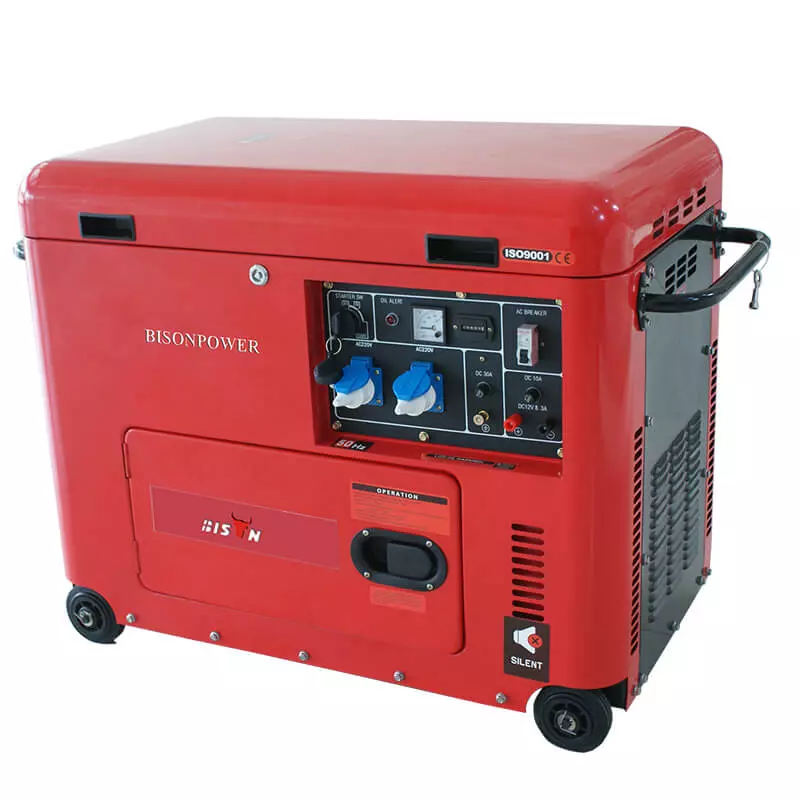
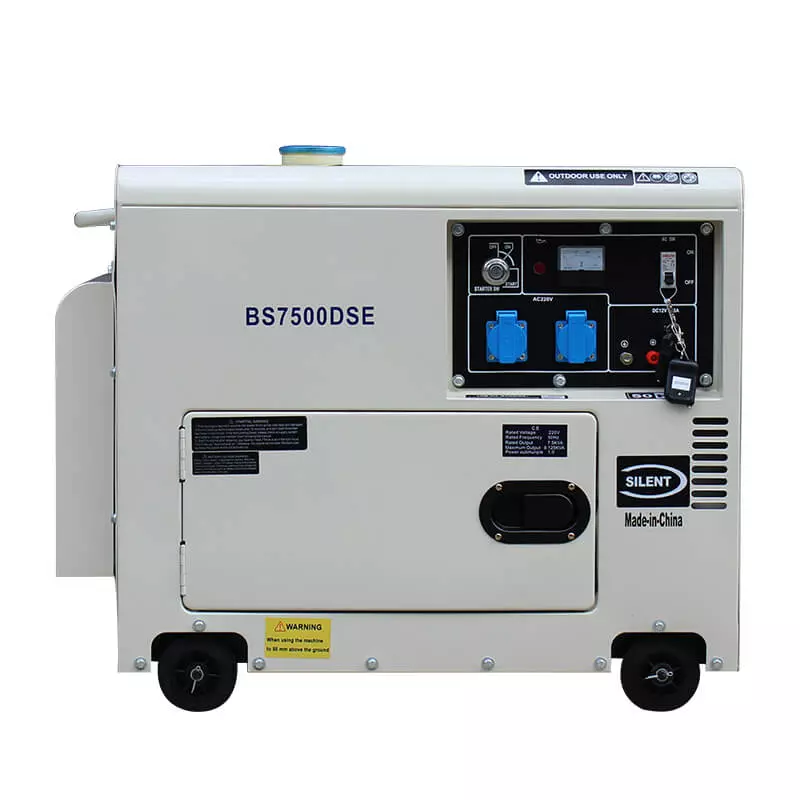
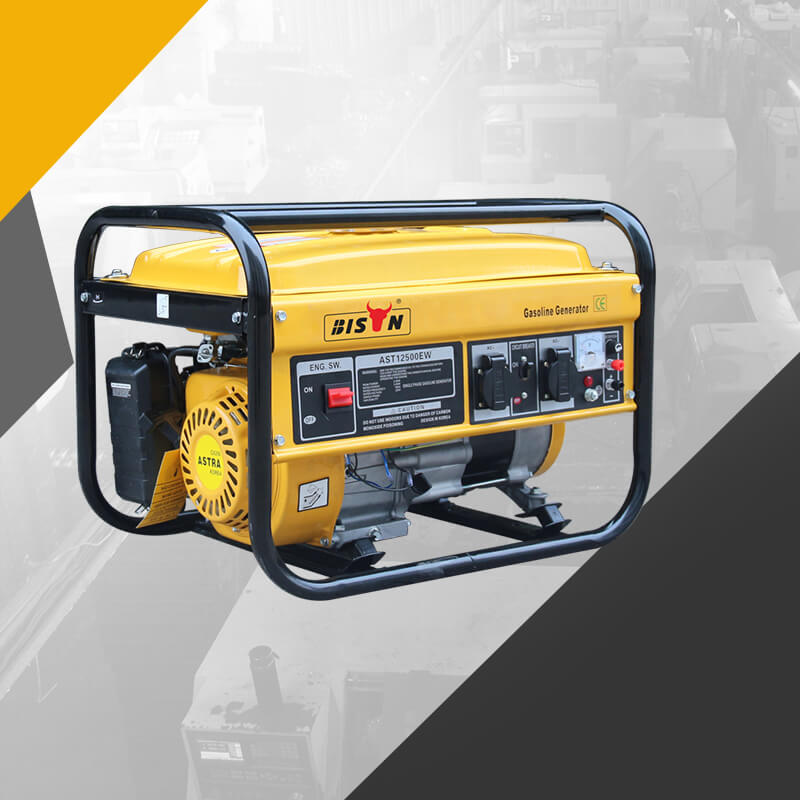
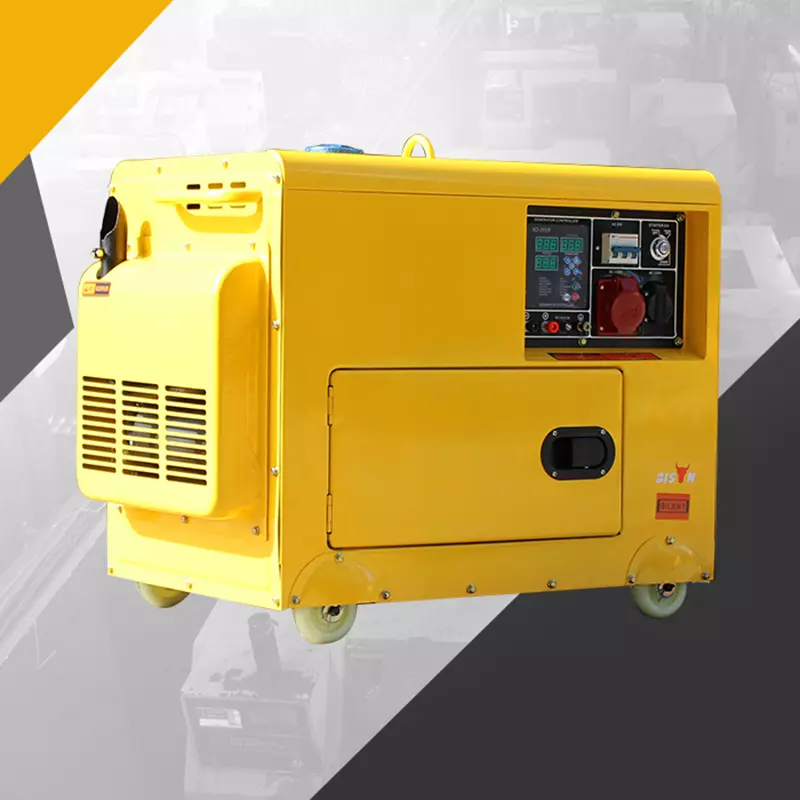
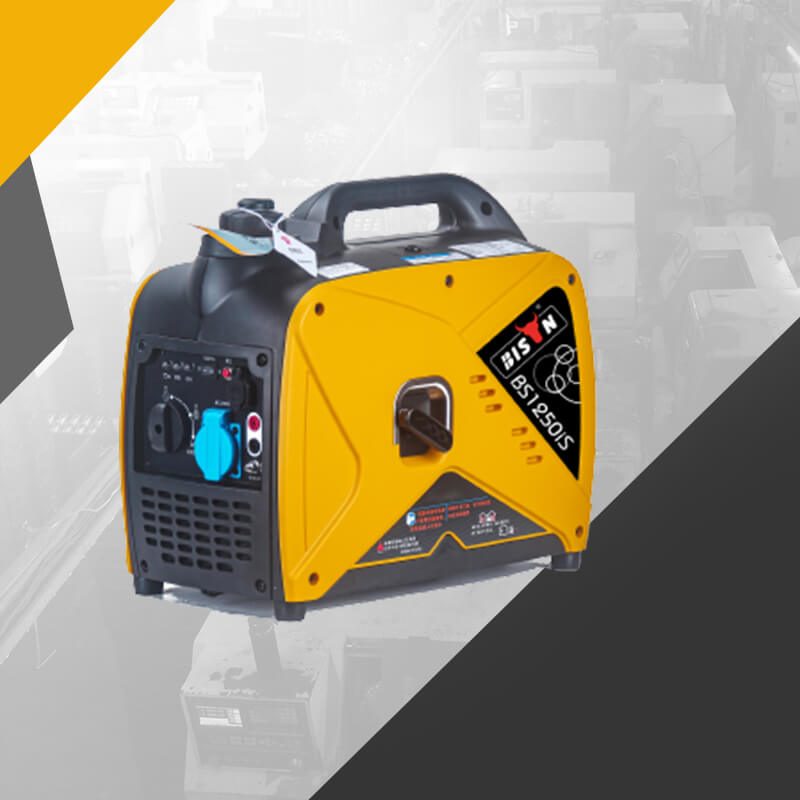
BISON offers a series of generators to suit all applications. From pure sine wave inverter generators, gasoline and diesel generators, etc., to portable generators or silent generators with recoil or electric start. A good generator can be used for many purposes, such as emergency use at home, powering outdoor electric tools or operating RV equipment.
There are a variety types of generators on the market, depending on their fuel type, connection method, starting method, and their technology. If you want to know more about the classification of generators, please click to read this article.
According to their connection method, we can divide generators into single-phase (gas or gasoline generators with power up to 5kW) or three-phase (diesel generators with power greater than 10kW).
According to the different fuels, we can divide them into gas (LPG or natural gas), gasoline or diesel generators.
According to their starting method, we can divide them into electric, recoil start or remote start.
According to their technology, there are two types of generators: conventional and inverter generators.
Any generator you wholesale must meet three important criteria: sufficient power, easy start-up, and reliability.
The most important criterion when choosing a generator is the amount of power it produces, measured in watts. The manufacturer specifies start-up watts and operating watts. The starting wattage is always a higher number because many devices need more watts to start up rather than keep running.
For emergency home use, BISON recommends using a generator with at least 3,000 watts of operating power. This should be enough to meet most of the key requirements (lights, refrigerator/freezer) and some additional requirements such as radio, TV and mobile phone chargers.
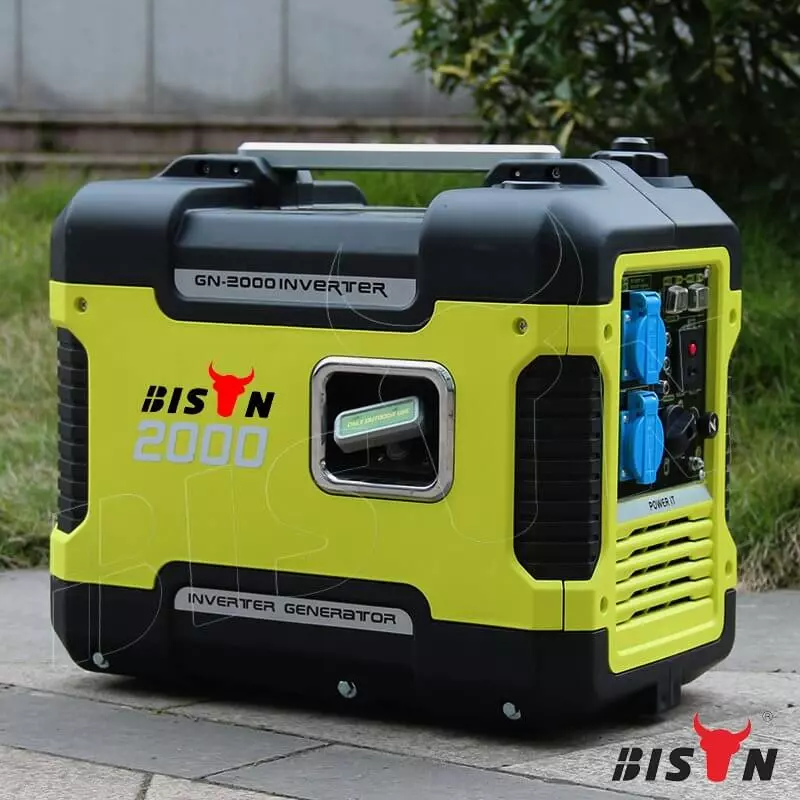
If you use an inverter generator, then you don't need to worry about computers, mobile phones, tablets and other sensitive electronic devices being damaged due to power fluctuations. However, the power generated by an inverter generator will be less than that of a gasoline/diesel generator. If you wish, BISON's inverter generator can also be combined with another unit to increase its power output.
| Power range | Typical end-use | Wholesale recommendation |
|---|---|---|
| 0.5 – 2 KW | Phone charging, lights, fans | High-volume entry-level model. Best for price-sensitive markets. |
| 2 – 5 KW | Home backup, small shops, food stalls | The most popular range globally. Stock multiple models. |
| 5 – 10 KW | Whole-house backup, workshops, small construction | Higher margin. Consider both gasoline and diesel options. |
| 10 – 100 KW | Commercial, telecom, industrial | Diesel only. Requires after-sales support capability. |
| 100 – 1000 KW | Large industrial, mining, data centers | Generator sets. Project-based sales, typically customized. |
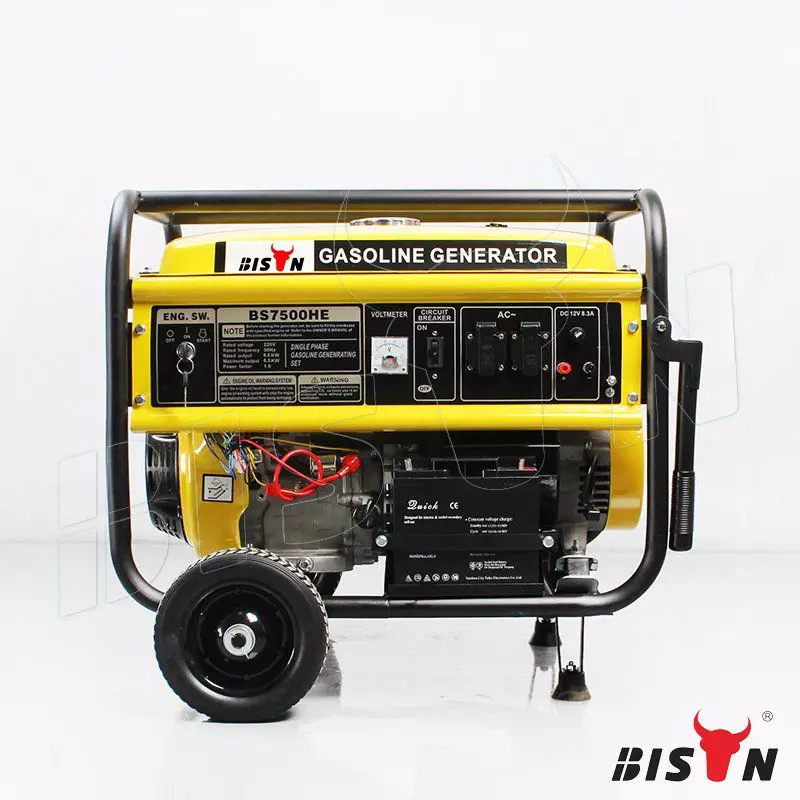
Gasoline is the fuel of choice for small engines and is common due to its easy availability. Of course, you will also see generators running on diesel fuel, but these generators tend to be more expensive.
Propane generators are a good alternative to gasoline models, but they are less common, and a good propane generator may be a bit more expensive than comparable fuel generators. One of the advantages of propane generators is that propane can be stored almost indefinitely. In addition, propane tanks are safer than tanks filled with fuel.
For consumers who want flexibility in choosing fuel sources, portable dual-fuel generators can be operated with gasoline or liquid propane. There are even three-fuel generators that add natural gas to multiple options.
Recoil start (pull cord) — standard on most portable generators. Lowest cost.
Electric start (key or button) — preferred by customers who value convenience. Adds a small cost premium.
Remote start — common on inverter generators. A strong selling point in developed markets.
Most wholesale orders combine recoil + electric start models. BISON offers all three starting methods across product lines.
The working hours of a generator vary greatly. Generally speaking, the more electrical and electronic devices connected to the generator, the shorter the running time. The 3 to 4 gallon fuel tank in the traditional gasoline generator we chose should be able to run for about 10 to 12 hours. The fuel tank of the inverter generator is much smaller, usually only one or two gallons, so the running time is usually shorter. But the inverter generator can automatically adjust the engine speed to consume less fuel when running lighter loads.
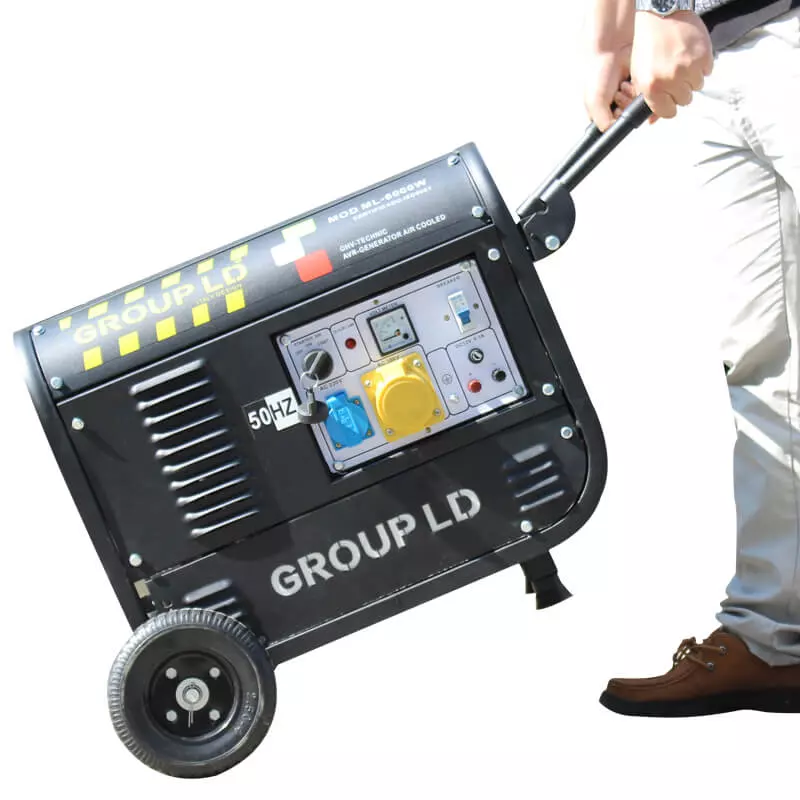
Generators are heavy, usually over 100 pounds (and no fuel). Many generators include a wheel kit as part of the package. The smaller inverter generators are light enough that they don't really need wheels.
Generators can be very noisy, although many have silencers. But even this may feel very noisy to some people. The noise generated by inverter generators is generally lower than that of traditional generators, usually 50 dB or lower. This is one reason why they are often the first choice for camping trips or RVs. If your market is primarily residential or urban, stock at least one quiet model in each power range.
BISON has been manufacturing generators since 2014. We supply distributors, importers, and brand owners in over 120 countries. Here's why they choose us.
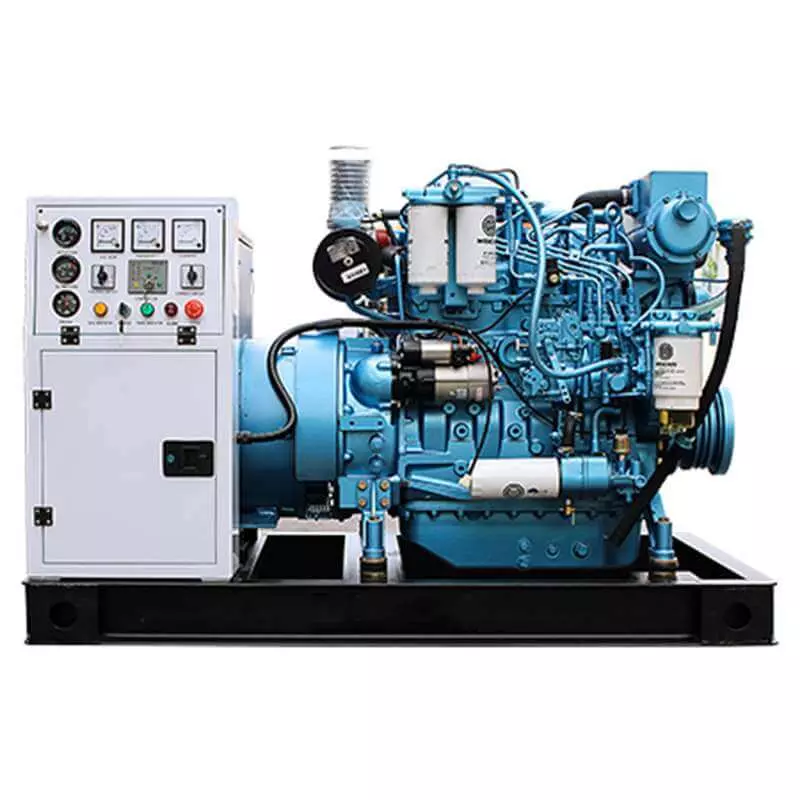
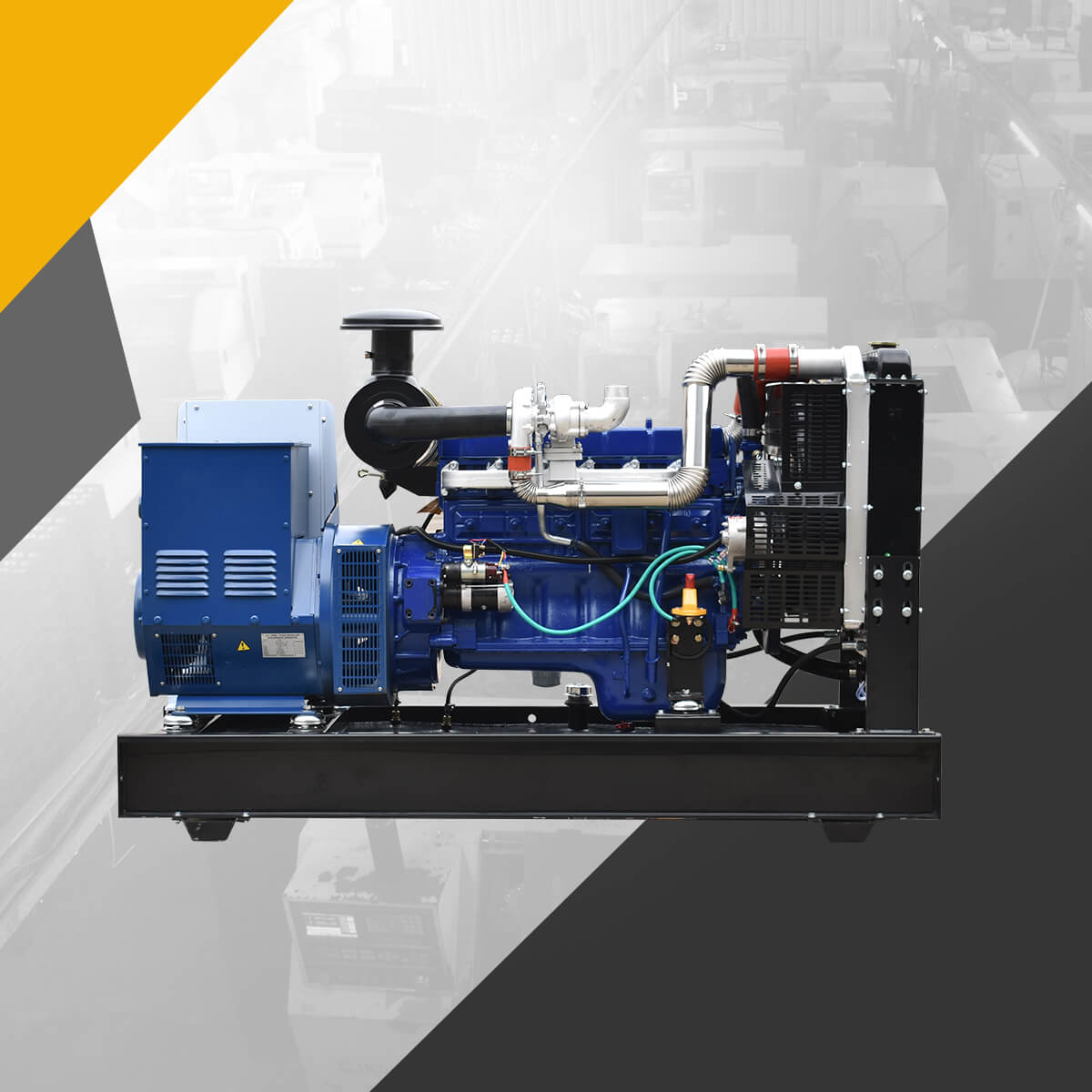
BISON's generator catalog covers gasoline generators (0.8–10 kW), diesel generators (3–100 kW), inverter generators (1–7.5 kW), and generator sets (10–1000 kW). We also offer welding generators, dual-fuel generators, silent generators, LPG generators, and more. One supplier, one shipment — no need to deal with multiple factories.
Our facility in Taizhou, Zhejiang covers 50,000 m² with 8 production lines. Monthly output exceeds 30,000 units. We handle everything in-house — engine assembly, alternator winding, testing, and packaging. You buy direct from the factory, not from a trading company. Factory audits and video tours are always welcome.
We have completed OEM projects for over 200 brands worldwide. Our team handles logo, color, packaging, manual translation, and regulatory labels. Whether you want to put your brand on an existing model or develop something new, we support you from design to container loading.
Every unit passes a 100% full-load run test before shipping. We also do salt-spray tests, vibration tests, and noise-level checks per batch. Defect rate stays below 0.3%. BISON holds ISO 9001, CE, EPA, and CARB certifications.
MOQ: 20 units per model
Mixed-model containers: Available
Payment: T/T, L/C, Trade Assurance
Shipping: FOB, CIF, or DDP — your choice
Sample orders: 1–5 units for first-time buyers
BISON provides a one-year warranty to all individuals and companies, but we provide permanent service support. What is covered by the warranty? Any manufacturing defects or any failures that may be caused by such defects; transportation costs to our factory; similarly, defective spare parts. What is not covered by the warranty? It does not include reasonable wear and tear of various consumables (air filters, batteries, spark plugs, etc.) or accessories.
We sell various accessories, repair kits, etc. for most brands of generators. Whether your customers need air filters, spark plugs, AVRs, or complete engine overhaul kits, we can supply them alongside your generator orders or as standalone shipments.
If you want to find a suitable generator supplier in China to meet your wholesale needs. Please contact BISON. We are a generator factory in China, we can customize any kind of generator you want.
Ready to source wholesale generators from a proven China factory? Contact BISON today for a product catalog, FOB pricing, or to schedule a factory tour. We respond to all inquiries within 12 hours.
Table of content
generator guides written by BISON experts
Acquire all kinds of knowledge from professional China factory
Is your generator runs for a few seconds and then stop? Don’t worry, we’ve got you covered. Read this post to know the reasons and also how to fix this problem.
So, what causes generator low voltage? How can you identify them? We'll cover all of these causes below to help you use a properly working generator.
BISON will delve into the feasibility of using a generator to charge an electric vehicle, discussing the advantages and disadvantages. We will also consider...