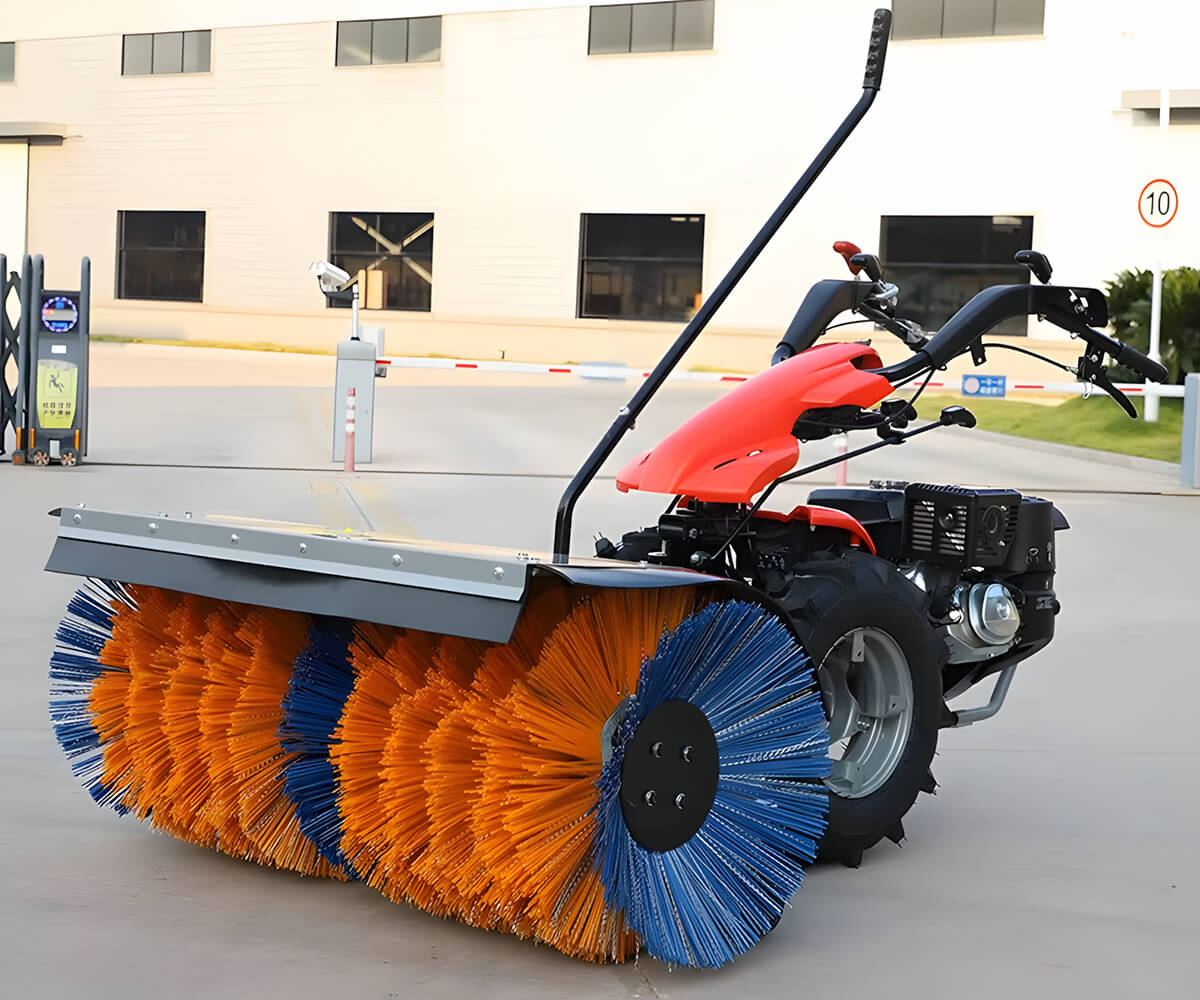
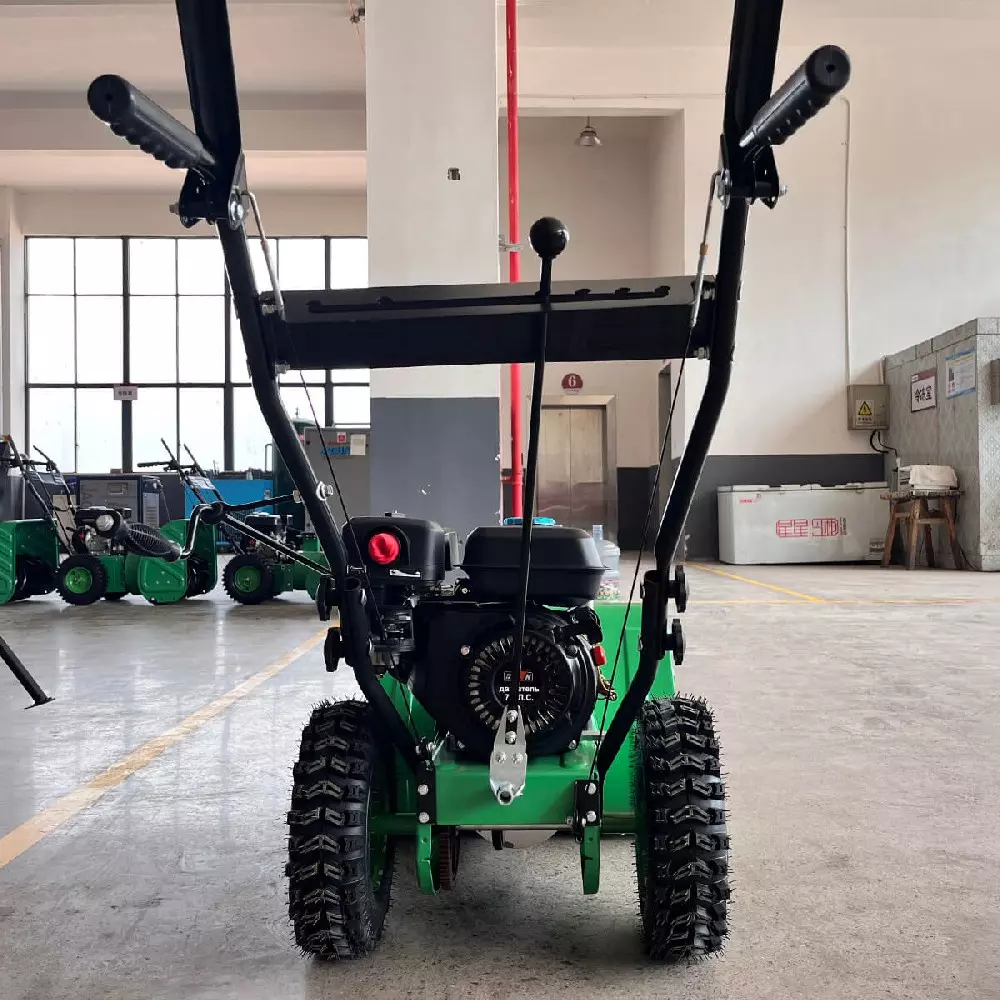
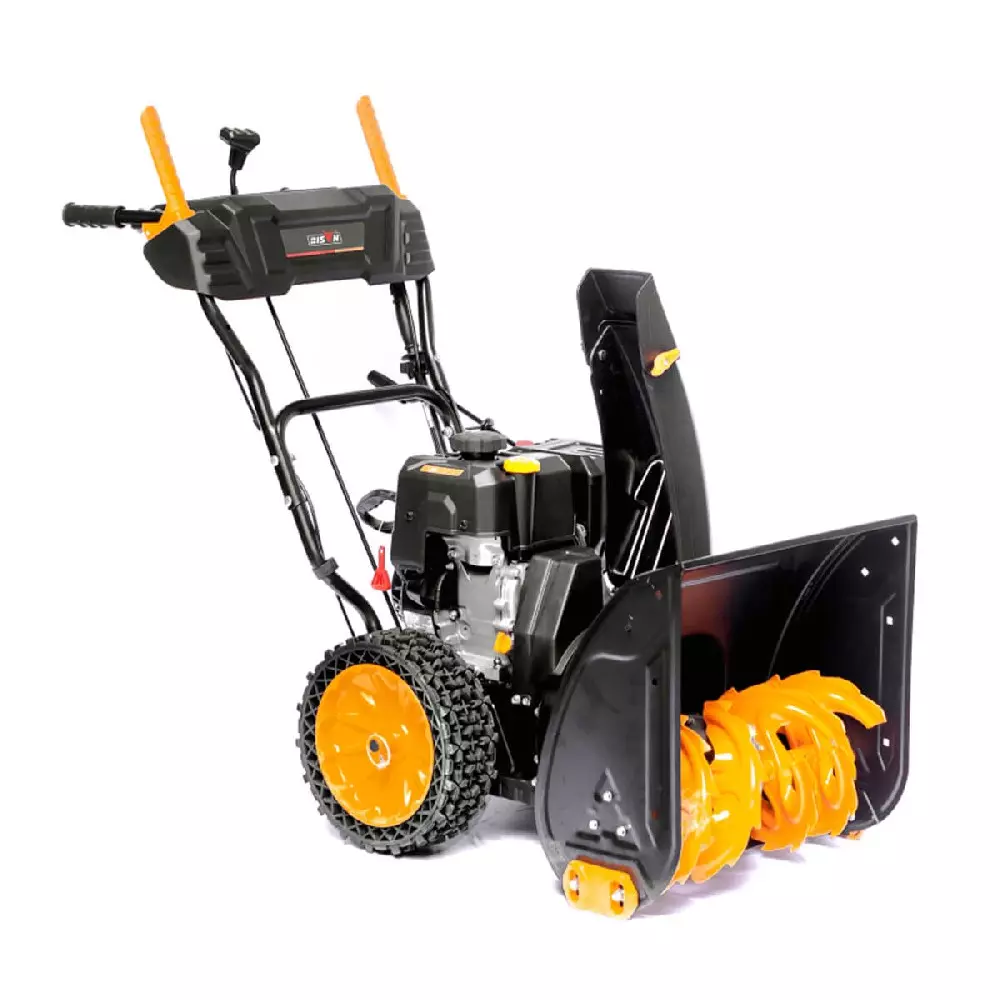
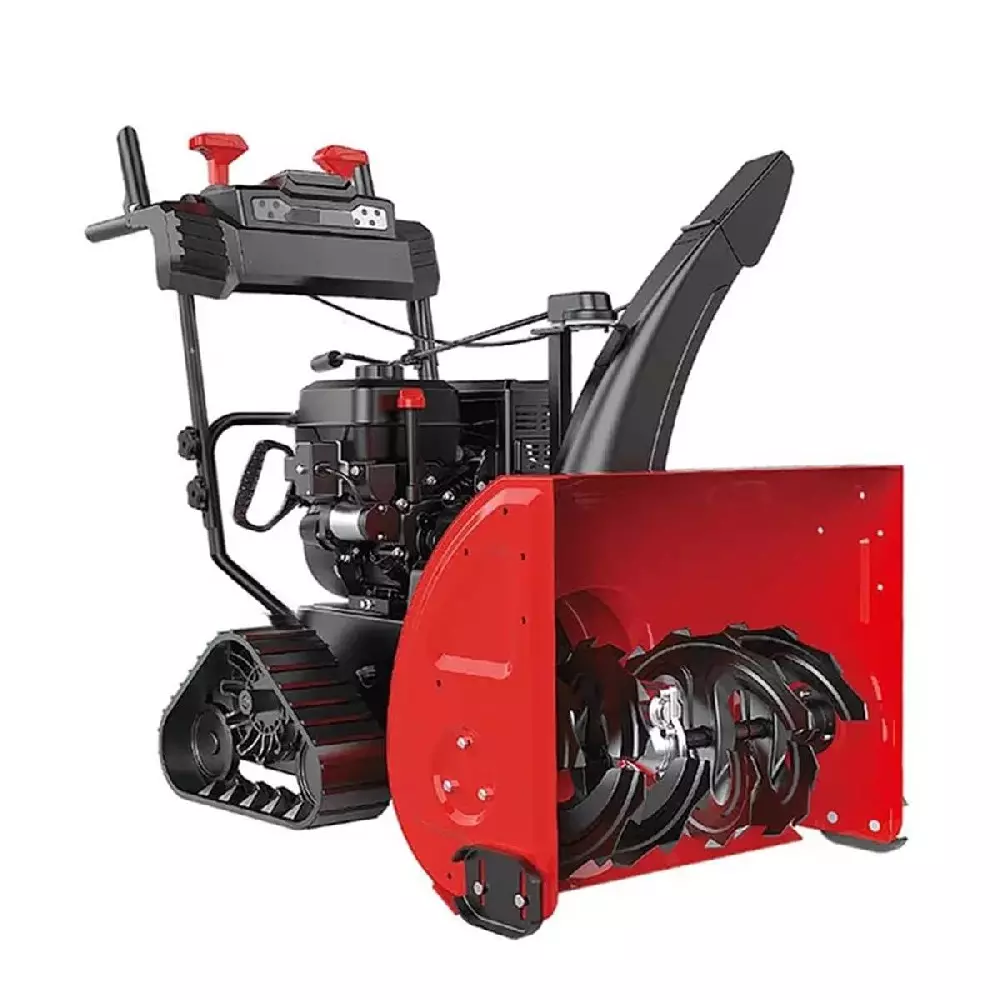
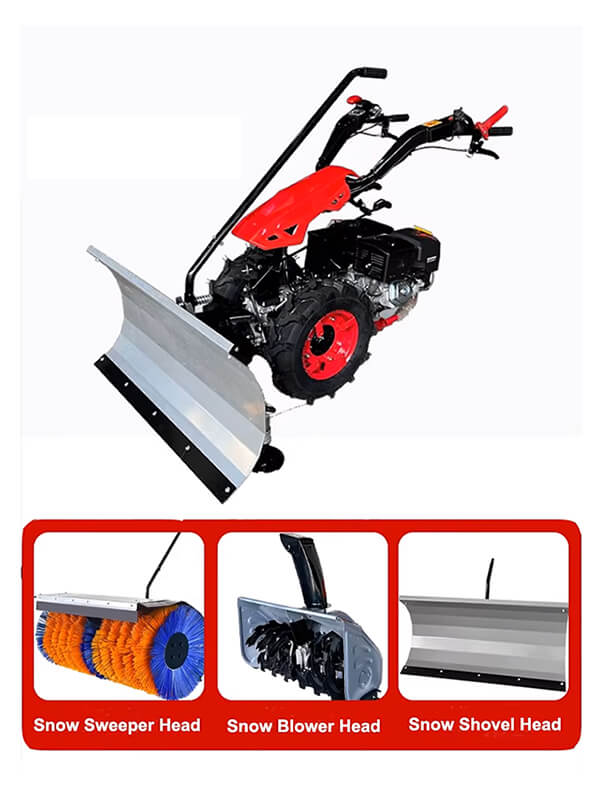
A snow blower is a powerful machine designed to clear snow quickly and easily, making winter cleanup far less demanding. Instead of manually shoveling, it uses an engine-driven auger or impeller to scoop and throw snow aside, saving both time and effort. This guide helps you compare snow blowers by power, size, and ease of use—making it easier to choose the right one for your snow-clearing needs.
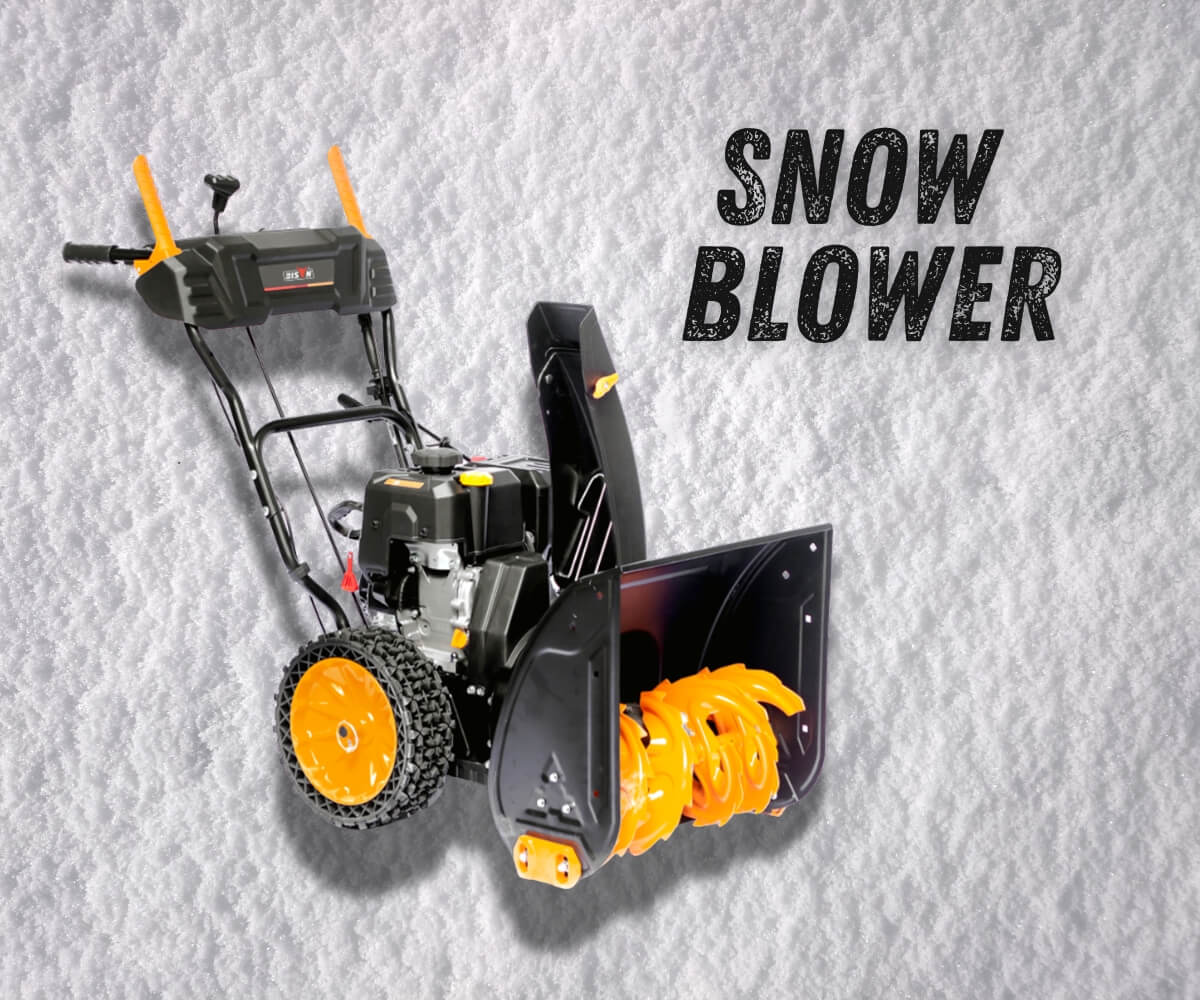
What Is a snow blower?
A snow blower, also known as a snow thrower, is a machine used to clear snow from sidewalks, driveways, and pathways. It works by collecting snow and ejecting it through a discharge chute, making snow removal faster and easier while reducing the physical effort of shoveling.
Understanding the key parts of a snow blower helps you operate it better and choose the right model for your needs:
Engine: The engine powers the machine and is measured in horsepower (HP) or cubic centimeters (cc). Larger engines are better for heavy or deep snow, while smaller engines work well for light snow.
Auger: The auger is a spinning blade at the front that scoops and breaks up snow before it’s thrown out. Some augers touch the ground to clear packed snow, while others are designed for loose snow only.
Chute: The chute directs where the snow goes. It can usually be adjusted to aim the snow away from paths or driveways. Some models offer remote or lever controls for easier chute adjustment.
Dead-man switch: Stops the machine when you release the handle.
Auger control: Quickly stops the auger if needed.
Skid shoes: Prevent the auger from scraping surfaces too deeply.
Safety shields: Cover moving parts to protect your hands and feet.
How to choose the right snow blower?
Selecting the right snow blower starts with understanding your specific winter needs. Here are the key factors to consider before making a purchase:
Types of snow blowers
Snow blowers are available in several types, each suited for different snow conditions and area sizes. They fall into three main categories: single-stage, two-stage, and three-stage. Each offers varying levels of power, efficiency, and performance.
Single-stage snow blowers
Single-stage snow blowers are the most basic and work best in light to moderate snowfall. They use a single high-speed auger that both collects and discharges snow in one motion. These machines are lightweight, easy to maneuver, and ideal for flat, paved surfaces like driveways and sidewalks. However, since the auger touches the ground, they are not suitable for gravel surfaces. Their compact size and electric or gas-powered options make them a popular choice for areas with lighter snowfall.
How it works:
A rotating auger scoops up snow and throws it through a chute. The auger contacts the ground, helping remove snow and some ice.
Best for:
Light to moderate snow (up to 8 inches) on small to medium driveways, sidewalks, and patios.
Pros:
Lightweight and easy to maneuver
Compact and simple to store
More affordable
Effective on light snow and smooth surfaces
Cons:
Not suitable for heavy or deep snow
Poor performance on icy or uneven terrain
Narrow clearing width and limited depth
Two-stage snow blowers
Two-stage snow blowers are ideal for clearing larger areas and handling deep or wet snow. They use an auger to gather the snow and a separate impeller to throw it, allowing for greater clearing power than single-stage models. Since the auger doesn’t touch the ground, these machines are safe to use on gravel surfaces. Typically gas-powered, they often include features like variable speed settings, power steering, and heated handles. They’re well-suited for residential or light commercial use in areas with frequent heavy snowfall.
How it works:
An auger collects the snow while an impeller propels it through the chute. The auger remains off the ground, making it effective on uneven or gravel surfaces.
Best for:
Moderate to heavy snow (up to 18 inches) on large driveways, sidewalks, and gravel areas.
Pros:
More powerful than single-stage models
Handles deeper, heavier snow
Suitable for rough or uneven terrain
Throws snow farther
Cons:
Heavier and bulkier
Higher cost
Needs more storage space
Three-stage snow blowers
Three-stage snow blowers are the most powerful option, built to handle the heaviest snow quickly and efficiently. They feature a third component called an accelerator, which breaks up and moves snow faster than two-stage models. These machines are ideal for icy, packed snow and large areas such as long driveways or commercial properties. With strong engines and advanced features, they offer top-tier performance but are heavier and more costly than other types.
How it works:
In addition to the auger and impeller, a high-speed accelerator rapidly pushes snow through the machine before it’s discharged. This increases speed and efficiency.
Best for:
Very heavy, deep snow (over 18 inches) on large driveways, commercial areas, and regions with frequent, heavy snowfall.
Pros:
Most powerful and efficient option
Clears snow quickly and thoroughly
Handles wet, packed snow with ease
Perfect for large areas and extreme conditions
Cons:
Very heavy and bulky
Higher cost
Requires more upkeep
Electric snow blowers (corded and cordless)
Electric snow blowers are lightweight, quiet, and low maintenance, making them ideal for small areas and light snowfall. Corded models must be plugged in during use, which limits their range but provides consistent power. Cordless models run on rechargeable batteries, offering greater mobility but with limited runtime. Recent battery improvements have boosted performance, making cordless models a good choice for small to medium homes.
While electric snow blowers are eco-friendly and easy to use, they’re not as powerful as gas-powered models, which are better suited for heavy, wet snow and larger areas but require more maintenance and produce more noise.
How it works:
Electric models use a motor powered by either an outlet (corded) or rechargeable batteries (cordless) to drive an auger or impeller that moves snow.
Best for:
Light to moderate snow on small areas like patios, decks, and short driveways.
Pros:
Cons:
Less powerful than gas models
Corded versions are limited by outlet access and cord length
Cordless versions have limited battery life
Not suitable for deep or heavy snow
Estimate the amount and frequency of snowfall
Snowfall levels are one of the most important factors in choosing a snow blower.
If you get light, powdery snow a few times each season, a single-stage or compact electric model is likely sufficient.
For areas with frequent snowstorms or heavy, wet snow, a two-stage or three-stage snow blower is better suited.
Snow deeper than eight inches typically requires a more powerful machine to avoid strain on the motor and ensure thorough clearing.
Measure the size of the area to be cleared
The size of your driveway, walkway, or property determines the snow blower’s clearing width and power:
Small areas like short driveways or sidewalks are best handled by compact or single-stage models, which are easier to maneuver.
For large or long areas, including wide driveways and parking lots, a two-stage or three-stage snow blower with a wider clearing path will save time and effort by reducing the number of passes.
Consider the type of surface
Your surface type matters when selecting a snow blower:
Smooth, paved surfaces: Single-stage blowers work well, as their augers scrape close to the ground.
Gravel or uneven surfaces: Use two-stage or three-stage models, as their augers don’t touch the ground, preventing damage and debris pickup.
Adjustable skid shoes on some models allow you to raise or lower the height for different surfaces.
Choose between gasoline, electric, or battery power
The power source you choose affects performance, maintenance, and ease of use:
Gas-powered snow blowers offer the most power, making them ideal for heavy snow and large areas. They require fuel, oil changes, and regular maintenance.
Electric (corded) models are quiet, clean, and low-maintenance but limited in range and best for small areas with nearby outlets.
Battery-powered models provide cordless convenience and quieter operation, but runtime is limited by battery life.
Choose based on how much snow you typically clear and how long each job takes.
Consider maneuverability and weight
Ease of handling is key, especially if you have limited strength or want a more user-friendly option:
Lightweight models (like single-stage or battery-powered blowers) are easier to push and turn, ideal for small areas or users with physical limitations.
Heavier models (two- and three-stage) are more powerful but may be harder to move unless equipped with features like self-propulsion, power steering, or heated handles.
If you prefer less physical effort, a self-propelled model is a smart choice.
Set a realistic budget
Snow blowers come in a wide range of prices depending on size, power, and features:
Single-stage and electric models are usually the most affordable.
Two-stage and three-stage machines cost more but offer higher performance and durability.
Set your budget ahead of time, but consider that paying a bit more upfront for quality and useful features can save time, effort, and repair costs later. Don’t forget to factor in the cost of fuel, batteries, and accessories.
Determine your storage space
Storage is often overlooked, but it’s important:
Compact or foldable models are best if garage or shed space is limited.
Larger two- and three-stage snow blowers take up more room and may require a dedicated storage spot or cover for outdoor use.
Always check the machine’s dimensions and compare them with your available space before buying.
Look for special features and add-ons
Modern snow blowers offer features that enhance comfort, performance, and ease of use. While not all are essential, they can greatly improve your snow-clearing experience—especially in harsh winter conditions. Below are some useful features to consider:
Electric start: Instead of pulling a manual recoil cord in freezing weather, an electric start lets you start the snow blower with the push of a button. This is especially useful on gas-powered models, which can be difficult to start in the cold. Just plug the machine into a nearby power outlet and press the button.
Adjustable chute control: Chute control lets you aim where the snow is thrown. Manual controls are simple but require you to stop to adjust. Joystick or crank systems let you rotate the chute or change the throw angle without pausing. This improves efficiency, precision, and safety during use.
Heated hand grips: Heated grips keep your hands warm during long clearing sessions in sub-zero temperatures. Even with gloves, cold can become uncomfortable. This feature adds comfort for users in northern or high-snowfall regions.
Self-propelled vs. push models: Push models are lighter and suitable for small, flat areas but require physical effort to move. Self-propelled models use their own drive system to move forward, making them easier to handle—especially over large, uneven, or icy surfaces. Many self-propelled blowers offer variable speed control for added convenience.
Headlights for low-light visibility: Built-in headlights—typically LED—help you work safely in poor lighting conditions, such as early mornings or late evenings. They’re especially helpful for those who clear snow before or after work.
Power steering: Power steering makes turning easier by allowing you to control each wheel independently. This feature is particularly valuable for larger or heavier models, helping you maneuver in tight spaces or on uneven terrain with less effort and fatigue.
Clearing width and intake height: These two dimensions determine how quickly a snow blower can clear an area. Wider clearing widths mean fewer passes are needed, saving time. Taller intake heights allow the machine to handle deeper snow in one go. Choose based on your typical snowfall and property size—wider and taller for heavy snow and large areas, narrower for tight spaces and lighter snow.
Conclusion
As a professional snow blower manufacturer in China, we’ve covered everything you need to know to make an informed decision—from the different types of snow blowers (single-stage, two-stage, three-stage, and electric models) to their key components, safety practices, and maintenance tips.
When choosing the right machine, always consider your typical snowfall, property size, ease of use, and budget.
From compact single-stage electric models to powerful three-stage gas units, BISON snow blowers are built to handle everything from light snow to deep, heavy drifts. With features like electric start, self-propelled drive, and ergonomic controls, our machines offer a smooth, hassle-free experience—even in tough winter conditions.
Count on BISON for the strength and reliability to take on every snowy season. Explore our lineup today and take control of snow removal with ease and efficiency!