vertical engine factory
Vertical shaft engines are a popular choice for small equipment owners due to their lightweight design, smooth handling, and efficient power. BISON vertical engines feature an improved fully integrated fuel system and high-quality manufacturing. Our fuel system reduces engine wear, maintaining torque even under heavy loads. Explore BISON’s selection of premium-grade vertical shaft engines today.
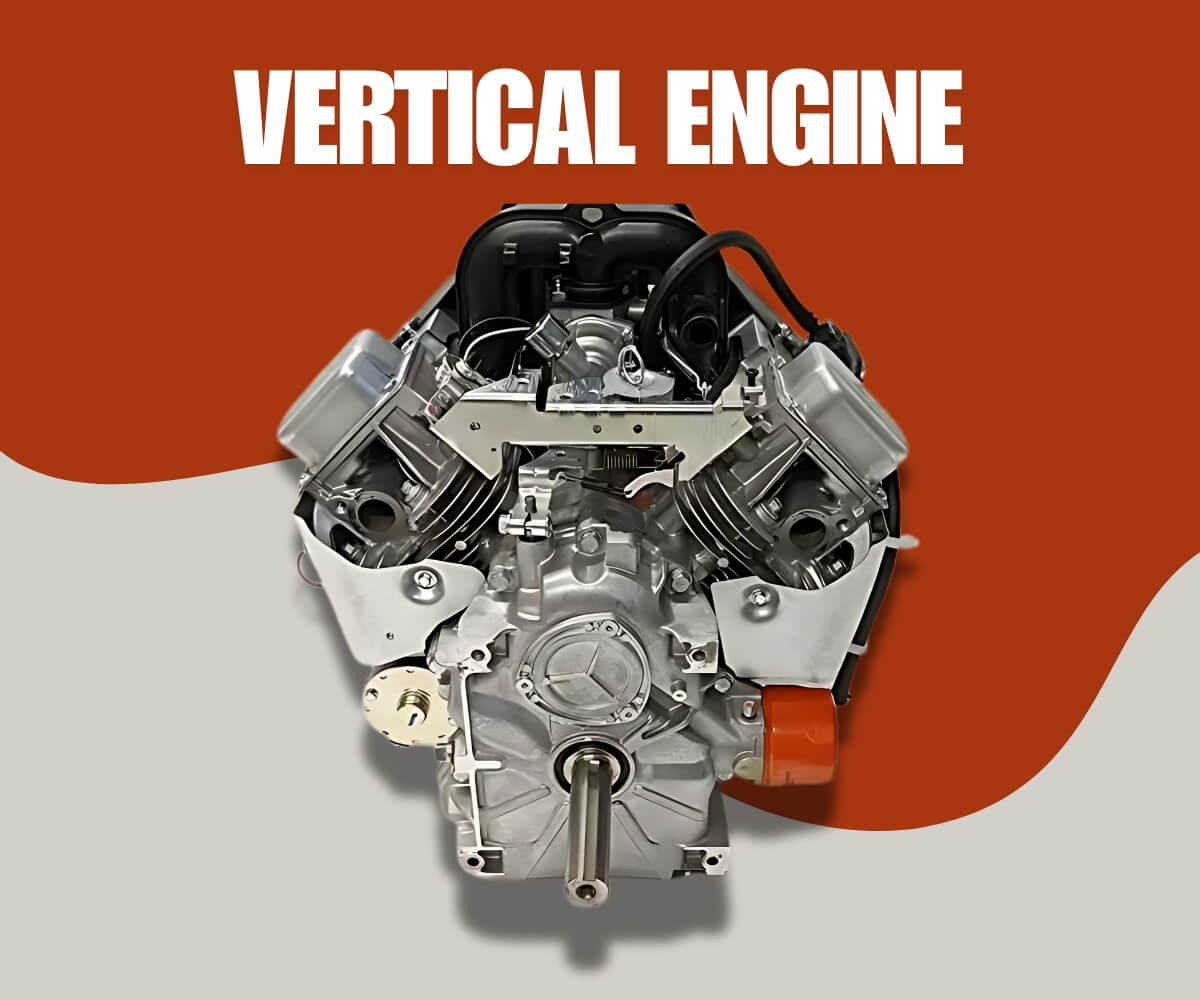
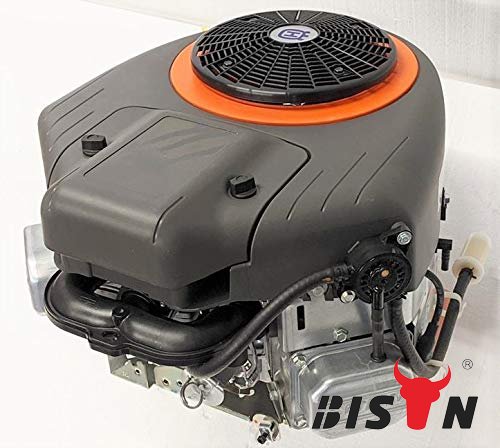
Manufacturing company that makes vertical engine product
vertical engine Wholesale Guide
A vertical engine is an internal combustion engine with upright cylinders, where the crankshaft is typically at the bottom and the pistons move vertically during operation.
This practical design has been around since the early days of engine development and became especially popular in the late 19th and early 20th centuries. Its compact build and upright cylinders make it ideal for applications with limited space.
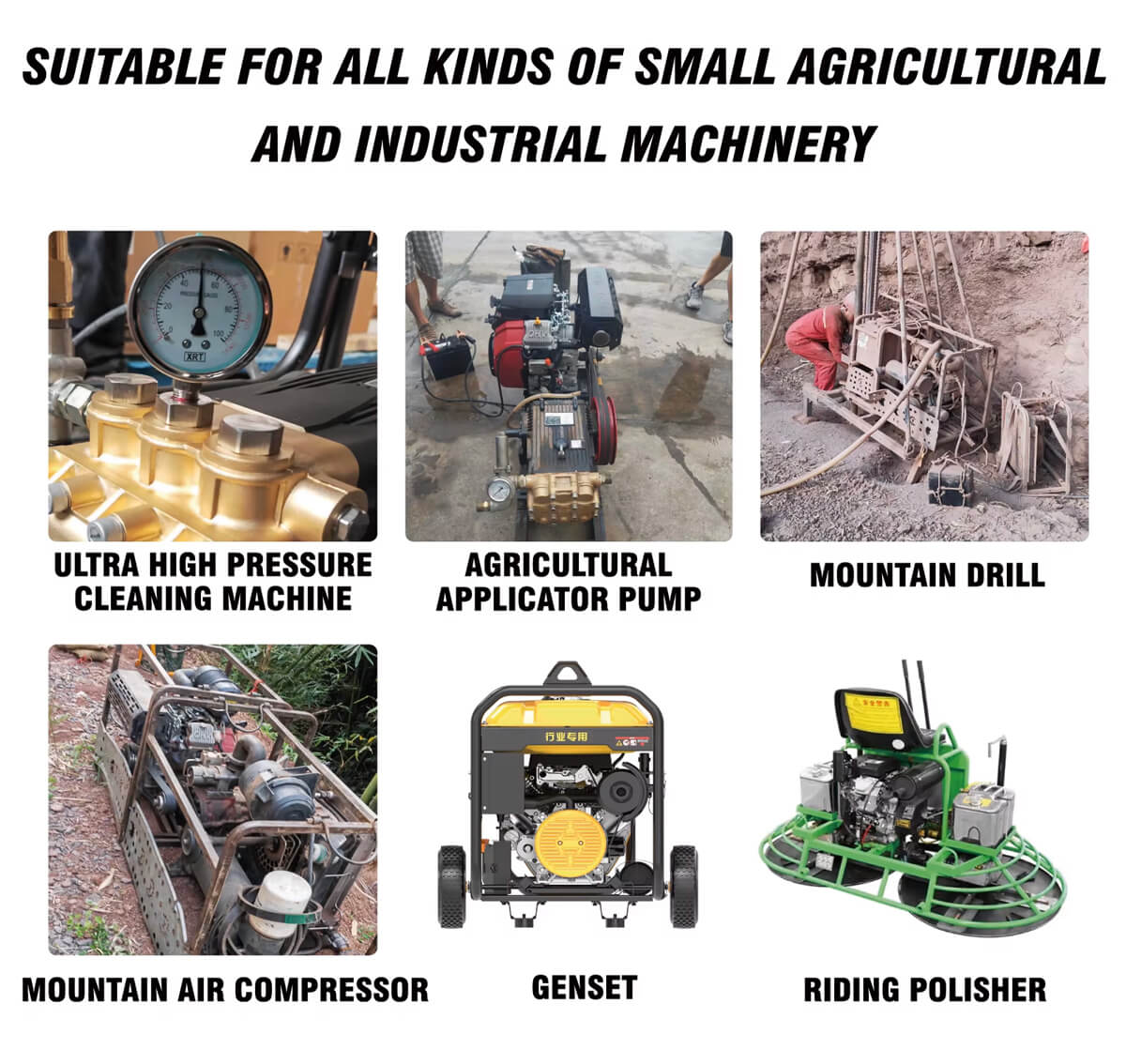
Today, vertical engines are widely used in lawn mowers, small tractors, pumps, and other portable equipment. Their simple, durable design ensures easy maintenance and reliable performance for small-scale power needs.
Design and operation of vertical engines
Vertical engines feature upright cylinders, with pistons moving up and down and the crankshaft positioned at the bottom. The connecting rod converts the pistons’ vertical motion into rotary motion, which drives machinery, wheels, or propellers. This upright design saves space, making vertical engines ideal for compact equipment.
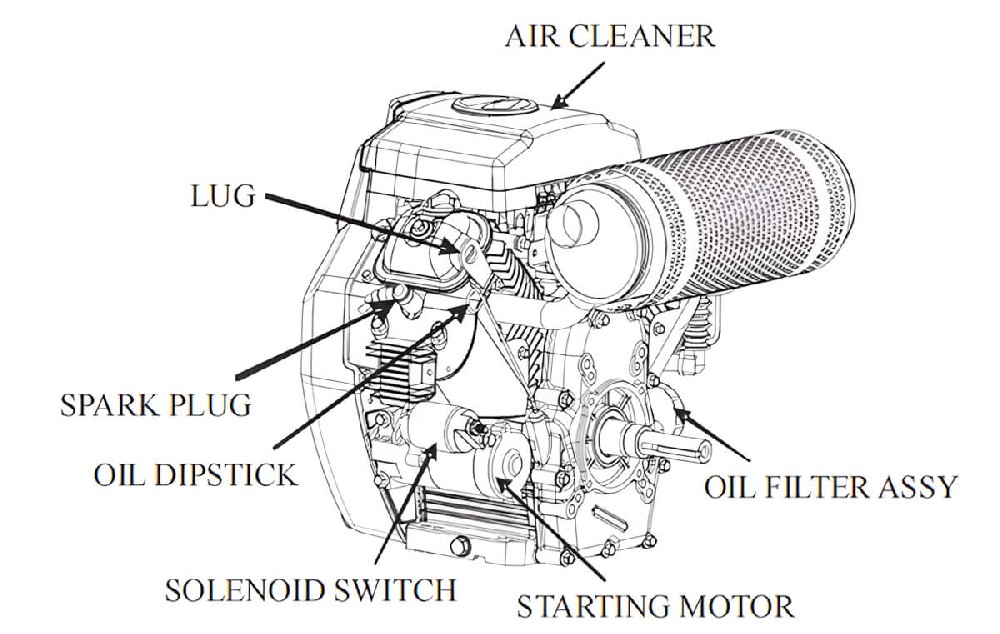
Cylinder arrangements: Vertical engines come in various configurations depending on their application. Inline engines stack cylinders in a single row for a simple, compact layout. V-type engines arrange cylinders at an angle to form a “v,” allowing more cylinders in less space while improving balance and power delivery. Multi-cylinder setups offer smoother performance and consistent output.
Valve mechanisms: Valves control the flow of fuel and air into the cylinders. Modern vertical engines typically use poppet valves for improved efficiency and smoother operation.
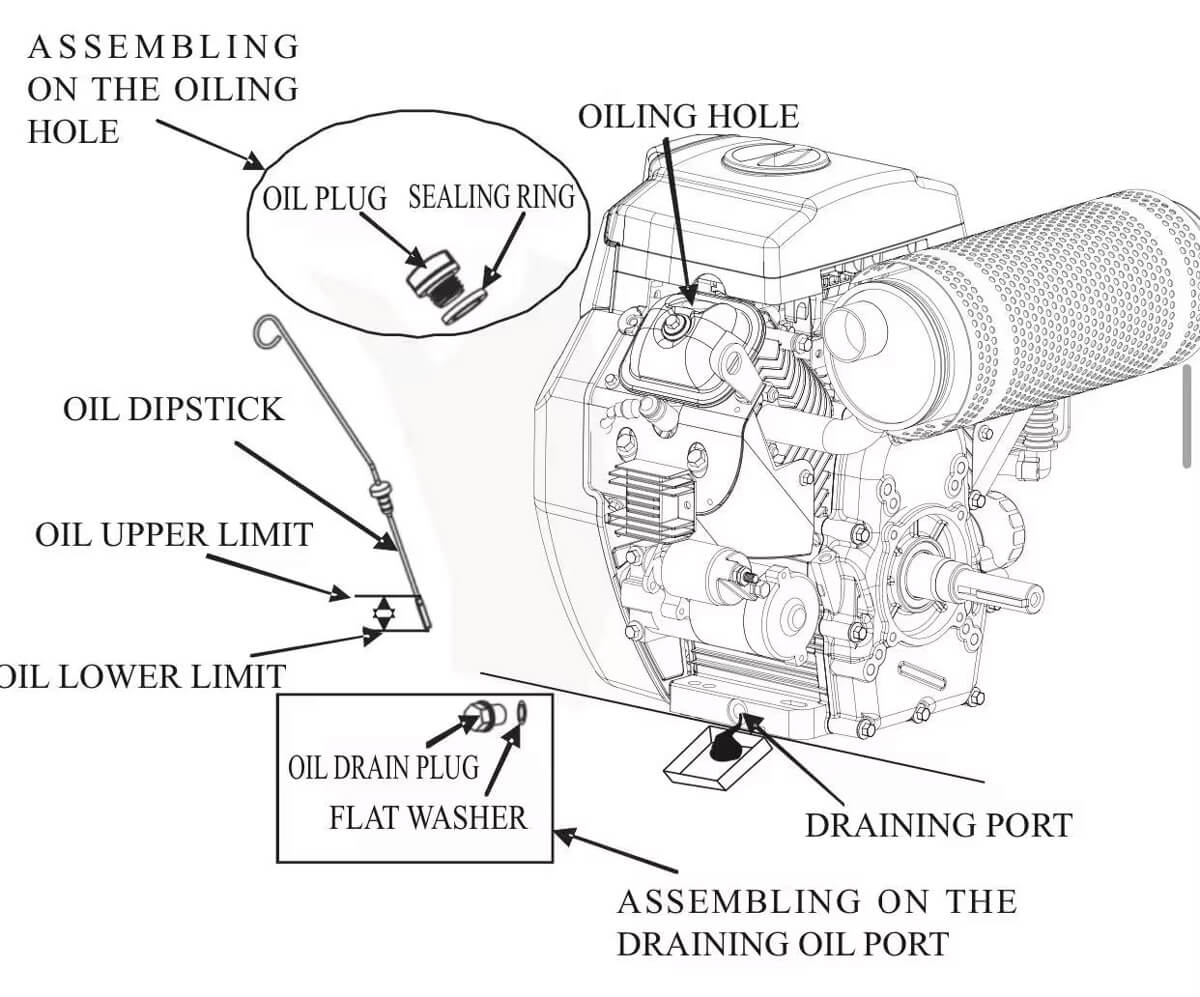
Lubrication systems: Lubrication prevents wear on moving parts. In vertical engines, gravity affects oil flow, so proper design is critical. Small engines often use splash lubrication, where the spinning crankshaft disperses oil, while larger engines use pressurized systems for consistent oil delivery to critical components.
Cooling methods: Cooling upright engines can be more challenging than horizontal designs. Air-cooled engines rely on fins and airflow, offering simplicity and lightness, while liquid-cooled engines circulate coolant to maintain stable temperatures, preventing hotspots and improving performance in larger or high-power applications.
Fuel systems: Vertical engines run on various fuels depending on type and use. Gasoline engines use carburetors or fuel injectors, diesel engines rely on precise fuel injection, and older steam engines burn coal or wood. This versatility makes vertical engines suitable for everything from small garden equipment to marine vessels.
Advantages and disadvantages of vertical engines
Vertical engines offer several benefits that make them a popular choice for many applications, but like any design, they also come with trade-offs. Understanding these trade-offs is important when selecting the right engine for each application.
One of the biggest advantages of vertical engines is their smaller footprint, making them ideal for machines where space is limited. This combination of compactness and efficiency makes them highly practical for portable and space-sensitive applications. But their upright design can present challenges in stability, maintenance, and cooling.
The higher center of gravity may affect stability in small vehicles or equipment operating on uneven terrain. Maintenance can also be more difficult, as components like the crankshaft or valves are less accessible, leading to longer service times.
Proper mounting and structural support are essential to minimize vibration and movement, which can impact performance or cause damage.
Applications of vertical engines across industries
Vertical engines have proven their versatility across many industries
In the marine industry, vertical engines power ships, submarines, and outboard motors. Their upright design saves space in narrow hulls and engine rooms, making them ideal for both small boats and larger vessels, where they serve in propulsion or auxiliary power systems. Vertical outboard motors are particularly valued for compactness, easy maintenance, and reliable performance in demanding water environments.
On land, vertical engines drive power generation units, pumps, and manufacturing equipment. They provide steady, compact energy for backup systems, remote locations, and agricultural or municipal pumping stations, ensuring reliable operation in industrial and workshop settings.
From waterways to factories, vertical engines continue to deliver dependable performance, space-saving design, and versatility across industries that require compact yet powerful engines.
Choosing a vertical shaft engine
To help you select a vertical shaft engine that balances performance, power, and reliability for different applications, we recommend focusing on the following key selection factors. By systematically evaluating these parameters, you can more accurately match equipment requirements, ensuring long-term stable operation and efficient performance.
a) Power output
Power is a core indicator distinguishing the performance levels of different vertical shaft engines. Sufficient and stable power output maintains stable speed and efficient operation. For example, the stronger the power of a lawnmower, the easier it is to maintain blade speed, providing stable, high-quality cutting results even under harsh conditions.
b) Engine displacement
Given similar engine designs, displacement is a crucial factor determining its load capacity and continuous output capability. A larger displacement generally means higher torque and stronger continuous power output, making it more suitable for medium-to-high intensity or long-term operation applications.
Light-duty applications: Engine displacement typically corresponds to a lower torque range, suitable for daily or light-load use.
Medium-to-heavy-duty applications: Higher displacement and torque levels meet the needs of complex working conditions and high-intensity operations.
For push lawnmowers, engine displacement typically ranges from 4.50 to 8.75 horsepower. Lawnmower displacement typically ranges from 10.5 to 26.0 horsepower.
c) Horsepower (HP)
Horsepower measures an engine's ability to complete work per unit time and is an important indicator for evaluating overall performance. For equipment that needs to drive multiple system modules simultaneously, horsepower more directly reflects the engine's actual output level under complex transmission structures, thus having higher reference value.
d) Engine structure and configuration
Different structural designs directly affect engine power performance, smoothness, noise control, fuel economy, and service life.
Side-valve (L-Head) engines: Offer good cost-effectiveness, providing stable performance across all power ranges, suitable for cost-sensitive applications that prioritize reliability.
Light-duty engines: 4.50 – 5.50 ft-lbs torque
Medium-heavy-duty engines: 6.25 – 6.75 ft-lbs torque
Overhead valve (OHV) engines: Offer higher combustion efficiency, more power, smoother operation, lower noise, and are more fuel-efficient and environmentally friendly.
Direct overhead valve (DOV™) technology: Employs a simplified structural design, reducing the number of moving parts, resulting in a more compact engine, lower vibration, and further improved reliability.
Heavy-duty single-cylinder engines: Torque range covering 7.00 – 8.75 ft-lbs, suitable for applications with high power and durability requirements.
V-twin engines: Significantly reduce vibration and noise through a balanced two-cylinder structure, providing higher horsepower, smoother operation, and better combustion efficiency, suitable for high-load, long-term continuous operation.
e) Stability and Long-term Reliability
When selecting a vertical shaft engine, the manufacturer's technological expertise and product stability are equally important. Reputable manufacturers typically possess comprehensive product lines that cover a range of needs, from economy to high-performance models, achieving a good balance between power, functionality, lifespan, and maintenance costs.
A wider product line means greater choice in power range, configuration, and price range, and makes it easier to precisely match to specific application requirements, resulting in a better user experience and long-term returns.
If you’re looking for high-quality vertical engines built for durability and performance, explore our range today. As a professional engine manufacturer in China, we provide reliable, expertly engineered engines to meet your specific needs. Contact us now to find the perfect vertical engine for your project and experience power you can trust.
Table of content
Common FAQ
A holistic solution to your most common questions about BISON vertical engines.
-
Which engine is better, horizontal or vertical?
Horizontal engines have cylinders laid flat, offering greater stability for larger equipment. Vertical engines, on the other hand, save space and are ideal for applications where compact size and convenience are priorities. The best choice depends on your specific equipment and space requirements.