2-cylinder engine factory
Crafted from high-quality materials, BISON 2-cylinder engines are built for durability and long-lasting performance. Designed to deliver powerful, reliable, and efficient operation, they are ideal for a wide range of applications—from small-scale projects to industrial machinery.
Explore our selection to find the perfect 2-cylinder engine to elevate your projects. Get top-quality engines at wholesale rates from a trusted OEM in China.
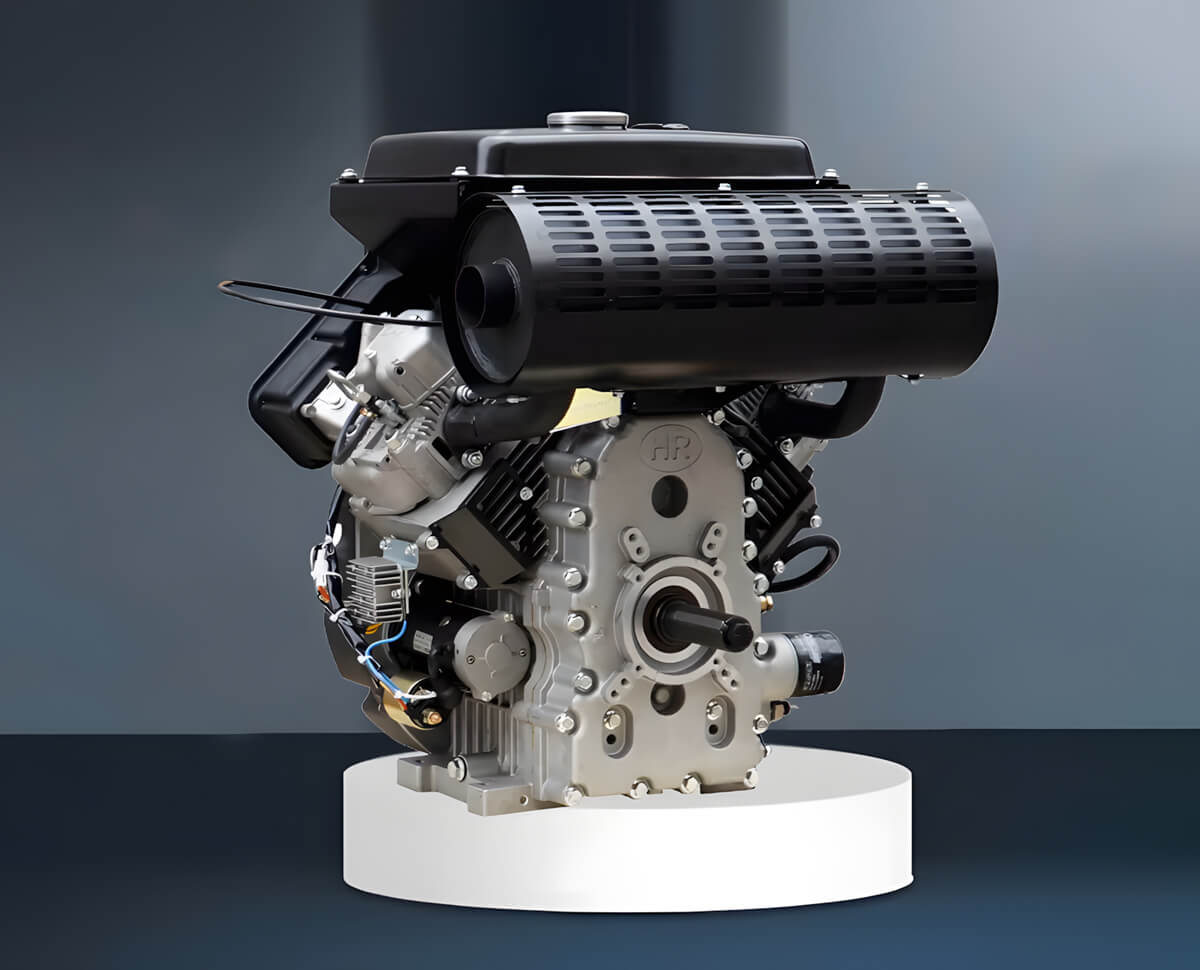
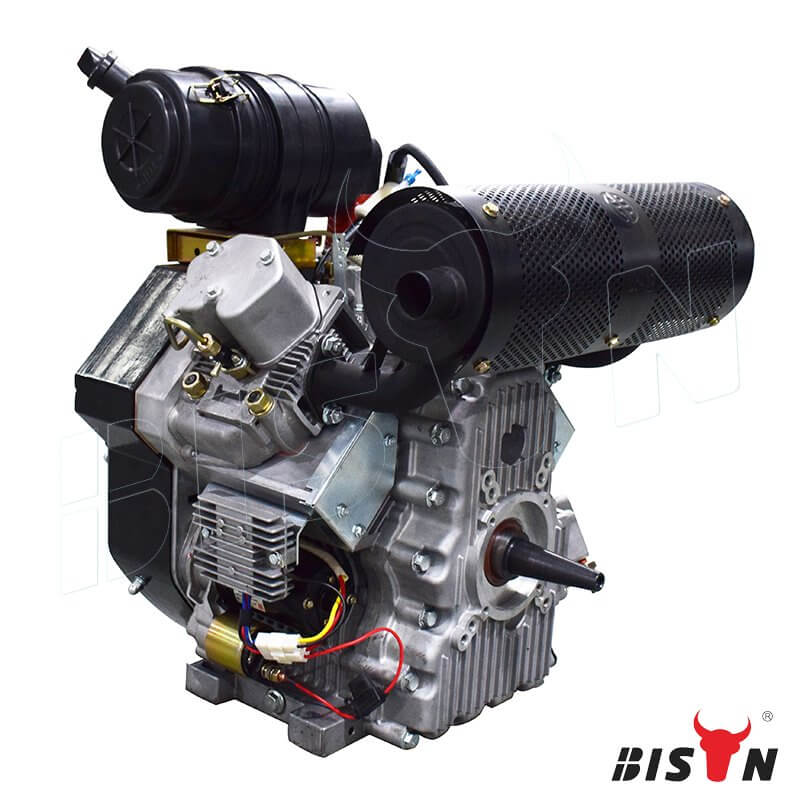
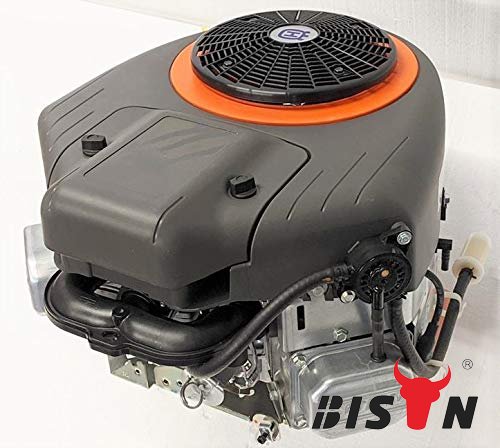
Manufacturing company that makes 2-cylinder engine product
2-cylinder engine Wholesale Guide
2-cylinder engines are a popular choice for many small machines, vehicles, and farming tools worldwide. They offer a smart balance of power and efficiency, making them reliable for years. From compact tractors to small generators and garden machines, these engines deliver the right strength without using excessive fuel. Understanding 2-cylinder engines is important because they keep everyday tools running smoothly and help workers complete tasks faster. This article explores how 2-cylinder engines work, their main advantages and disadvantages, and common applications today.
2-cylinder engines – understanding the basics
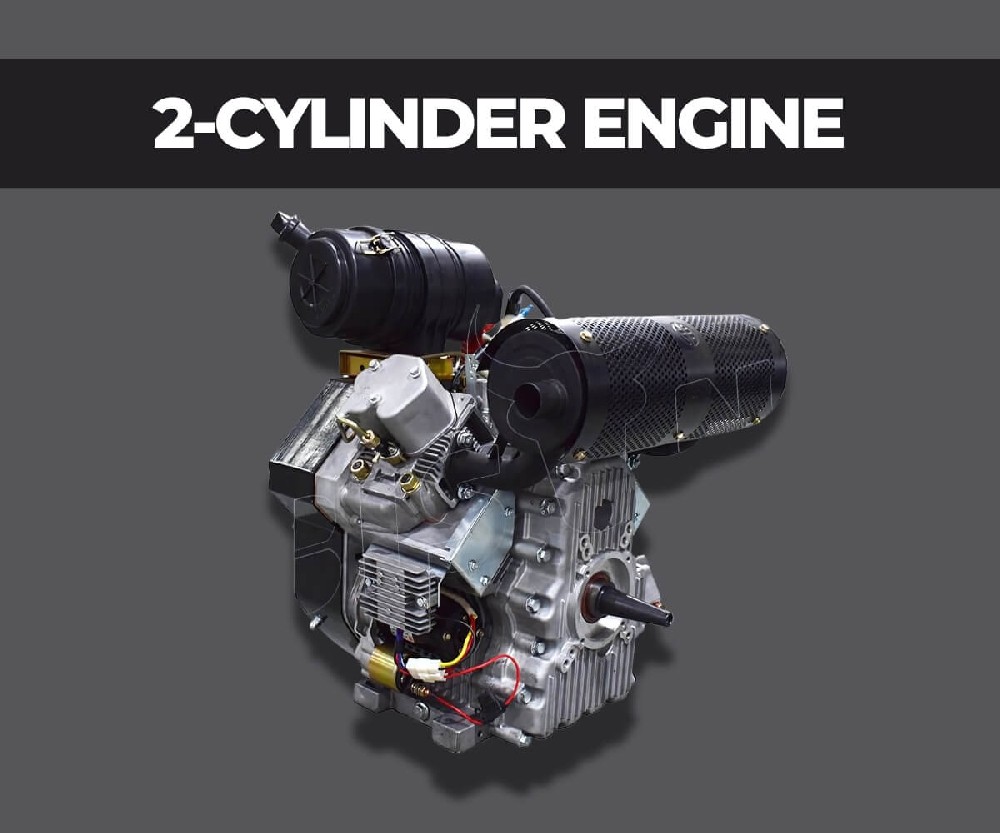
A 2-cylinder engine has two pistons and two combustion chambers, making it more complex and typically costlier than a single-cylinder engine due to the extra components. Each piston moves up and down in its chamber, where fuel and air mix and combust to generate power. This power turns the crankshaft, driving machines and vehicles. Two-cylinder engine construction:
Piston: transmits the expanding force of gases through the connecting rod into mechanical rotation of the crankshaft.
Crankshaft: converts the pistons’ reciprocating motion into rotational motion.
Connecting rod: acts as a lever, transferring motion from the piston to the crankshaft.
Flywheel: stores energy and maintains smooth engine operation.
Spark plug: ignites the air-fuel mixture in the combustion chamber, creating rapid gas expansion.
Counterweight: reduces vibration caused by unbalanced rotating parts.
Inlet and outlet ports: allow fresh air and fuel to enter the cylinder and exhaust gases to exit efficiently.
Common 2-cylinder engine layouts
2-cylinder engines can be built in three common ways, based on piston arrangement:
1. Inline twin engine
In this layout, the two pistons sit side by side in a straight line, firing alternately for smooth, continuous power.
Benefits: simple and compact, easy to fit in small machines, low maintenance, and reduced vibration.
Downsides: longer length may take up more space, which can be a limitation in very tight designs.
2. V-twin engine
The pistons form a v shape, usually at a 45–90° angle, firing in sequence for unique sound and strong power delivery.
Benefits: powerful yet compact, fits well in motorcycles and farm tools, and often has better cooling and balance.
Downsides: slightly wider than inline engines, may be more complex to maintain.
3. Flat twin (boxer) engine
Pistons lie flat and opposite each other, moving in and out like boxers punching, creating excellent balance.
Benefits: very little vibration, smooth operation, low profile helps keep the machine’s center of gravity low for stability.
Downsides: wider design can limit placement, may require more space for cooling.
On top of the engine layout, there are also firing orders, which may vary from 90 degrees to 360 degrees.. Each layout has unique strengths and trade-offs, so understanding them helps in choosing the right engine for farming equipment, small vehicles, or other machines.
Advantages of 2-cylinder engines
2-cylinder engines offer several benefits that make them ideal for small machines and tools. Their compact size and lightweight design allow them to fit easily into tight spaces, making equipment like small tractors, generators, and garden tools easier to handle.
Fuel efficiency: These engines consume less fuel than larger engines, saving money over time and producing fewer emissions, which supports eco-friendly operation.
Better balance: two pistons help balance internal forces, reducing vibration and improving efficiency compared to single-cylinder engines.
More power: lighter components and optimized displacement allow 2-cylinder engines to produce higher output and quicker revs, offering a more responsive, “sporty” performance.
Sportier sound: 2-cylinder engines generate a harmonious and appealing sound, often preferred by riders over the bassier beat of single-cylinder engines.
simple design: Their simple design also makes maintenance and repairs easier and more affordable. Fewer parts reduce the chance of breakdowns, and when repairs are needed, they are quicker and cheaper, lowering long-term costs.
Disadvantages of 2-cylinder engines
While 2-cylinder engines offer many benefits, they also have some limitations.
Power limitations: they generally produce less power than engines with more cylinders, making them less suitable for heavy-duty jobs like large tractors or industrial machinery.
Vibration: with fewer cylinders, these engines can generate more vibration during operation. While not unsafe, this may be a consideration if smooth performance is important.
Cost factors: Their more complex design and additional components make 2-cylinder engines costlier than single-cylinder alternatives. More parts increase overall size and weight, which can affect machine handling. Repairs and spare parts tend to be more expensive, and servicing is more complex than for single-cylinder engines.
Compared to single-cylinder engines, some 2-cylinder models may consume more fuel, affecting long-term running costs.
2-cylinder engine applications
2-cylinder engines are favored when mechanical simplicity, light weight, and a high power-to-weight ratio are priorities. Many use oil-in-fuel lubrication and can operate in any orientation, making them ideal for portable tools like chainsaws. Common applications:
Motorcycles: popular in cruisers, sportbikes, adventure, and touring bikes. V-twin or inline twin engines provide smooth rides, strong power, and responsive handling. Even some scooters use small 2-cylinder engines to balance efficiency and performance.
Small cars and kei cars: classic cars like the fiat 500 and citroën 2cv, as well as modern microcars and hybrids, use 2-cylinder engines to keep vehicles lightweight and easy to drive.
Agricultural equipment: small tractors, cultivators, and farm tools benefit from compact, reliable 2-cylinder engines that are easy to move and maintain.
Generators and power equipment: portable generators and water pumps rely on 2-cylinder engines for dependable, fuel-efficient power in homes, businesses, and emergency situations.
Marine engines: small boats and fishing vessels often use 2-cylinder outboards for lightweight yet strong propulsion.
Overall, 2-cylinder engines offer a balanced mix of size, power, and reliability, making them versatile across motorcycles, vehicles, tools, and industrial applications.
Comparison with other engine types
More cylinders generally mean higher power but lower fuel efficiency. Understanding how 2-cylinder engines compare to single-, three-, and four-cylinder engines can help in choosing the right power source.
2-cylinder vs. single-cylinder
Single-cylinder engines are simple, lightweight, and easy to maintain, making them ideal for very small machines. However, they produce less power and can run roughly with noticeable vibration. In contrast, 2-cylinder engines offer smoother operation because the two pistons balance each other. They provide more power and can reach higher rpms thanks to lighter internal components and better balance, although the overall engine weight is slightly higher due to extra parts. Single-cylinder engines deliver more torque at low revs, while 2-cylinder engines excel in mid-to-high revs, offering a sportier and more refined performance.
2-cylinder vs. 3-cylinder
Two-cylinder engines provide good torque at low revs, making them suitable for city bikes, adventure, and off-road machines. Three-cylinder engines are a middle ground, offering strong mid-rev power and torque where it is most needed during typical riding.
2-cylinder vs. 4-cylinder
Four-cylinder engines deliver more power and run very smoothly due to multiple pistons working together, making them ideal for larger vehicles or machines requiring strong, steady performance. However, they are heavier, larger, and costlier to produce and maintain. 2-cylinder engines are smaller, lighter, and more affordable, striking a balance of decent power, smoothness, and compactness.
Finally, six- or eight-cylinder engines are better for heavy loads or high-performance driving.
Conclusion
2-cylinder engines offer an ideal balance of power, efficiency, and compact design. Their smooth operation and practical size make them a reliable choice for motorcycles, small vehicles, farming tools, and a variety of other machines. With a strong history in both automotive and mechanical applications, they continue to deliver dependable performance and versatility for modern needs.
For a high-quality 2-cylinder engine, consider choosing our brand. BISON engines are designed for durability and excellent performance, backed by professional support to help you get the most from your machines. Explore our range today, and experience the difference in power, reliability, and service. Contact us to get a quote and find the perfect 2-cylinder engine for your application.
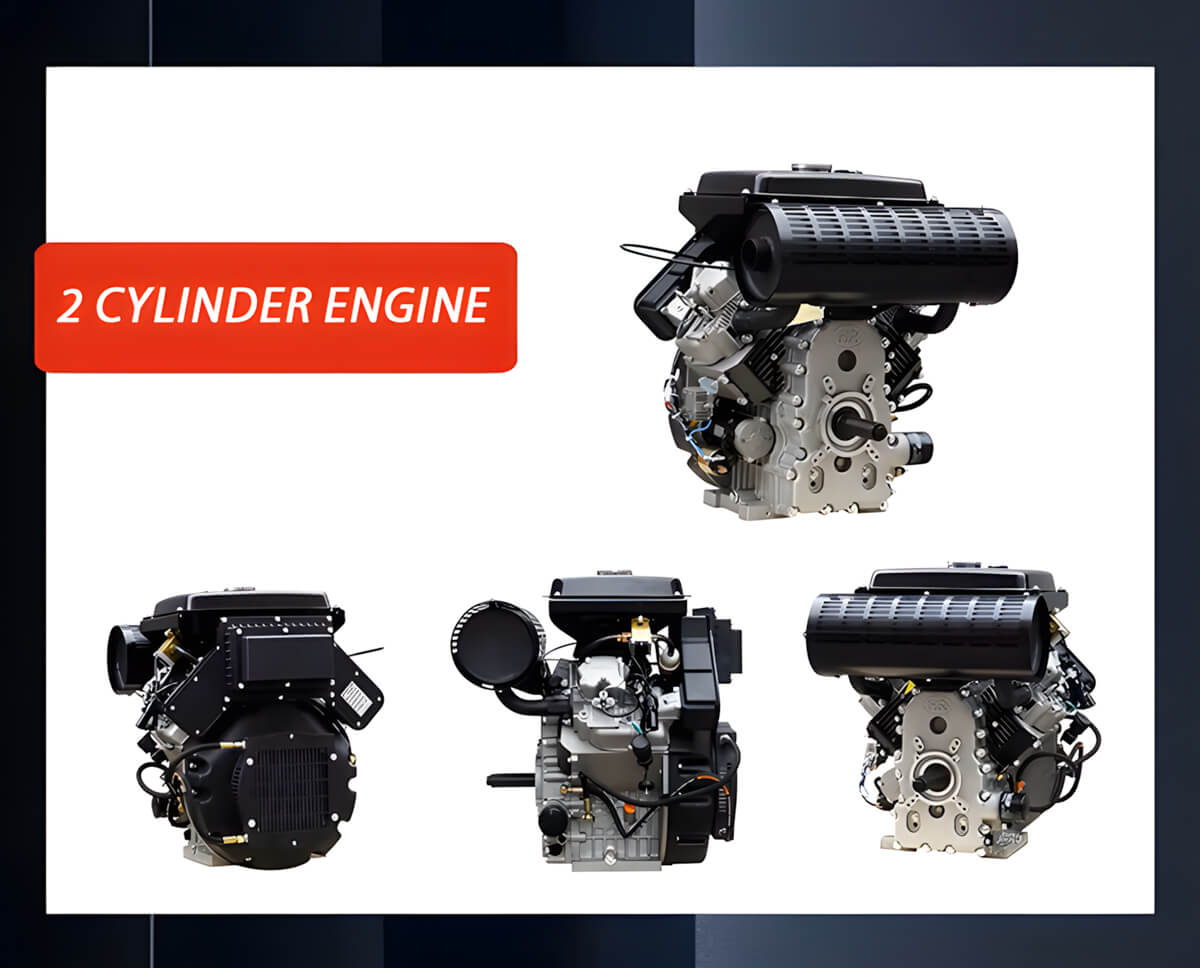
Table of content