Why your chainsaw chain won’t fit the bar – and fix
2025-06-09
Table of content
Chainsaw can be a handy garden power tool for the homeowner and gardener. It is straightforward to use and can help with many tasks. But, like all tools, you may encounter some issues with it.
A common problem many chainsaw users face is trying to put on a new chain, only to realize it doesn’t fit the bar properly. Sometimes it feels too tight, other times it’s too loose or won’t sit correctly in the bar groove. Even a chain that used to work fine can suddenly seem off after some time.
It’s important to know that the chain must fit the bar just right for the chainsaw to work safely and smoothly. If the chain is too loose, it can slip off during use. If it’s too tight, it can damage the bar, the chain, or the motor. A proper fit helps the chain move freely at high speed and ensures clean cuts, better control, and less wear on your machine.
This article will help you understand the reasons why your chainsaw chain doesn’t fit the bar—whether it’s a sizing issue, a worn part, or something simple like incorrect tension. Also, if the bar is worn or damaged, the chainsaw chain may not fit into the bar. In this case, you will need to replace the bar.
If you have a problem that your chainsaw chain won't fit in the bar, don't worry. BISON will guide you through easy steps to check the chainsaw chain problem and show you how to fix it, so you can get back to using your chainsaw safely and confidently.
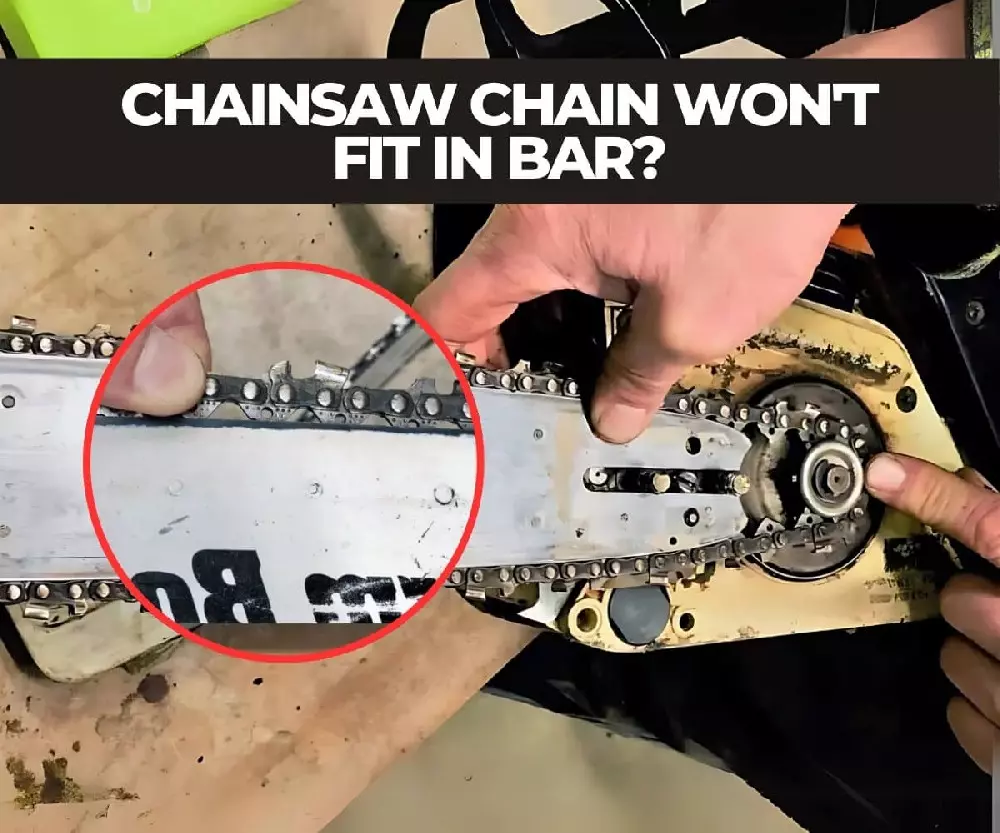
Why your chainsaw chain doesn’t fit the bar: common reasons and fixes
Many reasons can prevent the chain from fitting into the chainsaw bar. In most cases, this is caused by incorrect chain gauges and measurements or damaged chains.
If your chainsaw chain won’t go on the bar, don’t panic. You’re not alone—this is a common problem. Most causes are easy to fix once you know what to look for. Here are the most common reasons your chain might not fit, explained in simple terms:
Incorrect size
The most common case is getting the wrong size chain.
If you grabbed a different size chain for your chainsaw, it won't fit the bar. A mismatched chain can cause poor performance, extra wear, or become dangerous during use.
If you can't find the chain measurement for your chain, you can refer to the user manual. Many chainsaws also have a stamp on the bar with the required measurements. If you still can't find it anywhere, try to determine the size of a replacement chain by looking closely at it.
There are three key things that need to match between the chain and the bar: pitch, gauge, and drive link count. Let’s break these down:
Pitch – the space between chain links: Pitch refers to the distance between the chain’s drive links. The pitch must match both the bar and the sprocket. If wrong, the chain won’t sit correctly on the sprockets, causing the chain to jump, wear quickly, or not move.
Gauge – the thickness of the drive links: Gauge is how thick the drive links (the part of the chain that fits into the bar groove) are. If too thin, the chain may wobble or fall out of the groove. If too thick, it won’t fit or will be too tight. The chain’s gauge must match the bar’s groove width.
Drive link count – the number of links on the chain: This is the total number of drive links that run inside the chain. The chain needs the exact number of links to match the bar’s length. Too few links and the chain won’t fit around the bar; too many and it will be too loose, even when tightened.
How to check? Look for markings on the chainsaw bar (usually near the base), check your chainsaw’s manual, or look at the old chain for stamped numbers. Always double-check these numbers before buying a new chain to avoid a mismatch.
Chainsaw bar damaged
If you have the correct chain size and a working tension system, the problem may be with the chainsaw bar. The guide bar sprocket helps the chain move smoothly over the end of the bar. If this sprocket doesn’t turn, the chain won’t move. If the guide bar is squeezed into the slot or bent, it can prevent the chain from rotating. A damaged bar groove prevents the drive links from sitting correctly.
In such cases, bar replacement or re-profiling is necessary. First, inspect the bar for cracks, uneven wear, or debris. Remove the saw bar and chain to inspect the guide bar sprocket. If the sprocket does not turn, replace the guide bar. If the sprocket turns but the chain doesn’t, the chain may be stuck between the sprocket and the bar, which also requires replacing the bar. If the chain is pinched in the slot rail, remove the bar to check. Bent or pinched bars should be replaced.
Old chain problems
A chainsaw chain stretches and loosens due to chain tension and extreme friction. For example, cutting wood generates heat, causing the chain and guide bar to expand. When cooling, the chain grows longer and loosens further as it wears out from use.
Badly sharpened chains—especially those ground unevenly—can also cause fitting issues or poor tracking on the bar.
If your old chain is worn, stretched, or damaged, it may be time to replace it.
Removing the chain, inspect the sharp bottom (chain drag area). Damage here can cause the chain to break. If the chain is broken, you will need to purchase a new one.
Tension in the chain
The chain should be adjusted often because it stretches as you use it. If the chain on your machine is too tight, it will not last as long and may stop or fail to turn properly. If the chain comes off easily, the tension is probably too loose.
The chainsaw chain tension needs to be adjusted. Insert the spark plug. Unlock the chain brake. Remove the retaining nuts from the clutch and chain brake cover bar.
Hold the bar upright. The chain can be made tighter or looser by rotating the tensioning screw clockwise or counterclockwise. Pull the bar retaining nuts once the tension is correct while keeping the bar nose up.
The chain should fit snugly around the bar but still move freely. It should not hang loose from the guide bar. Never operate the chainsaw unless the chain tension is optimal.
Lack of lubrication
If there is insufficient lubrication, the chain may bind against the chainsaw guide bar, causing excessive friction and heat buildup. Lubrication also reduces guide bar stress and chain tension, and if there is insufficient lubrication, the chain will run slowly and inefficiently.
You can use bar oil, which is usually available at hardware stores where you buy chains.
First, make sure the bar is in good condition. Replace any broken or rusted guide bars. Check and clean the oil passage if necessary.
Refill the oil reservoir every time you refuel the chainsaw to avoid running out of bar and chain oil, as the oil can run out before the fuel tank is empty.
Good lubrication not only helps the chain fit better but also keeps the chainsaw running smoothly and prevents corrosion on the bar.
Installation mistakes
Sometimes, the problem is simply in how the chain is being installed. You need to make sure the chain is fully seated in the bar groove all the way around.
Loosen the chain tensioning screw before trying to install the chain—otherwise, it may feel too short to fit.
#Step 1 look at the new chain: Check the new chain closely for any bends, kinks, or stiff areas. Sometimes chains come out of the package a little tight or slightly twisted. If that’s the case, gently work the chain loose by hand. Lay it flat and flex it a few times to loosen it up.
#Step 2 clean and inspect the bar groove: Look at the groove in your chainsaw bar—the narrow channel where the chain fits. Use a rag or a small tool to remove any dirt, sawdust, or wood chips. Even a little debris can stop the chain from sitting properly. Also, check for signs of damage or wear in the groove.
#Step 3 check the chain’s direction: Make sure you’re putting the chain in the right direction! The sharp cutting edges should point forward on the top side of the bar (toward the nose of the bar). If the cutters are facing backward, the chain won’t work.
#Step 4 loosen the tensioning screw: Before fitting the chain, turn the chain tensioning screw all the way loose. This gives enough room to slip the chain onto the bar. If the screw is too tight, it might feel like the chain is too short—even if it’s not.
#Step 5 fit the chain slowly: Carefully place the chain into the bar groove. Make sure all the drive links (the small metal teeth on the inside of the chain) sit fully inside the groove. Work your way around the bar slowly and double-check that the chain is in place all the way around.
Conclusion
A properly fitting chainsaw chain is key to your safety, your chainsaw’s performance, and preventing damage to your equipment. This article covered how to check chain and bar compatibility, common reasons for fitting problems, step-by-step troubleshooting, and simple maintenance tips.
Hope you now understand why your chainsaw chain might not fit the bar. If you can solve the problems yourself after reading this article — bravo! If you still feel unsure, don’t hesitate to call a professional.
To keep your chainsaw running smoothly and safely, always double-check specs before buying a new chain or bar and take good care of your chainsaw. For the best results, choose high-quality, perfectly compatible chainsaw chains and bars from trusted brands.
Following all the fixes correctly, you should have a working chainsaw.

related blog
Acquire all kinds of knowledge from professional China factory
do electric chainsaws need oil?
So, what type of oil is electric chainsaw needed, and how much oil is needed? In this comprehensive guide, BISON will clear up the confusion and provide clear answers about electric chainsaw oil.
how to choose a chainsaw chain
Learn all the things you need to keep in mind while choosing a chainsaw chain. It’s a very important decision so don’t make any mistakes.
Chainsaw backfires: Know the issues and stay safe
BISON aims to provide a comprehensive overview of situations in chainsaw backfire. We'll reveal the root cause behind this anomaly, ranging from poor fuel quality to a faulty carburetor adjustment.
related product
Quote high quality products from professional China factory