chainsaw not cutting
2025-03-11
Table of content
A properly functioning chainsaw is essential for anyone who cuts wood regularly. Unfortunately, many chainsaw users have experienced the frustration of a chainsaw not cutting, even despite your best efforts. It’s not a pleasant experience.
Several common problems can cause a chain to stop cutting properly. A dull chain is probably the most common culprit – like any cutting tool, chainsaw teeth lose their sharpness with use and need to be sharpened regularly. Improper chain tension can also significantly reduce cutting performance, as a chain that’s too loose or too tight won’t move properly on the bar.
Sometimes, you may need to take your chainsaw apart to determine the problem so you can make the proper repairs and keep your chain functioning properly.
Is your chainsaw not cutting? Read on for more. We’ll explore the various reasons why a chainsaw may not be cutting properly and offer practical solutions to fix each problem.
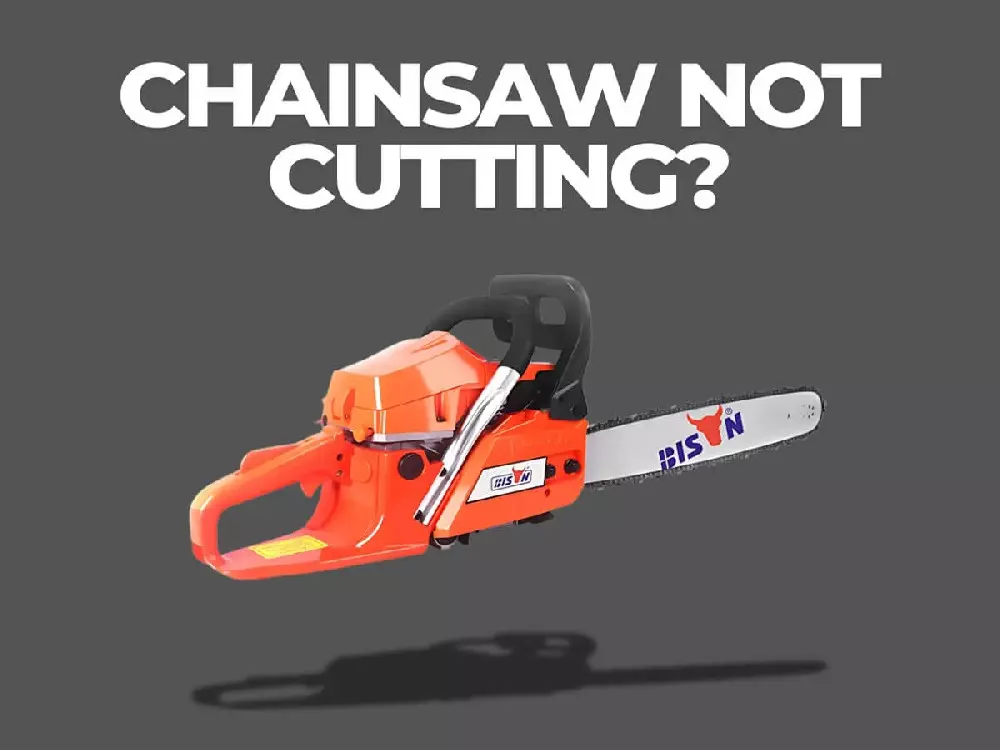
Safety first: before repairing a chainsaw
Safety must be your priority before attempting any inspection or repair on a chainsaw. Follow these critical steps:
Shut off the engine completely and wait for all moving parts to come to a complete stop. Never attempt to inspect or repair a chainsaw while it is running, even if the problem is minor.
Disconnecting the spark plug ensures that the engine does not accidentally start while you are working on the chain, bar, or other parts.
If you have been using the chainsaw, allow the engine and components to cool before beginning any maintenance. Overheating the engine, muffler, and other components can cause severe burns.
Proper safety equipment is also required when operating or repairing, such as cut-resistant gloves, chainsaw gaiters or pants, safety glasses or face shield, and sturdy boots
Make sure you are in a safe working area and keep track of components during disassembly, using small containers to hold screws and small parts
Chainsaw not cutting reasons and solutions
Now, we will review all the possible reasons and go into detail on how to get your chainsaw running again.
#1 You have a worn chain
Is your chainsaw spinning but not cutting? The problem is most likely a worn chain. Chains wear out over time with use. If your chain has seen a lot of activity, it may be worn out. Here are signs that your chain is worn:
Your chainsaw produces powdery sawdust instead of wood chips.
Your chainsaw is "crooked" and pulls to one side when cutting.
Your chainsaw doesn't automatically penetrate the wood. Instead, you must apply extra force to cut it.
Cuts take much longer than usual
The chainsaw vibrates excessively or "clicks" during use
A well-sharpened chain should have a sharp, even edge with all teeth the same depth and angle. Sharpening a chainsaw is a skill that you want to do correctly. A chain will only perform well if you sharpen it at the right angle, depth, or technique. Here are two sharpening methods for your reference.
Using a file
Secure the chainsaw in a vise or on a stable surface
Select the correct size round file for the chain (usually 5/32", 3/16", or 7/32")
Use a file guide to maintain a consistent angle
File each cutter from the inside out with smooth strokes
Apply an equal number of strokes to each cutter
Check and file the depth gauge (if needed) using a flat file and depth gauge tool
Clean the chain thoroughly after sharpening
Using a chain sharpener
Choose a sharpener designed for chainsaw chains
Adjust the angle setting as appropriate to match your chain's specifications
Position the sharpener precisely over each cutter
Apply the grinding wheel briefly to each cutter
Maintain consistent pressure and grinding time
Check and adjust the depth gauge as needed
Clean the chain after sharpening
You may also consider professional sharpening. Professional services typically offer a quick turnaround and can extend the life of your chain with precision sharpening.
#2 chain replacement
Even with proper care, chains will eventually wear or break beyond repair. Chains that have the following problems should be replaced rather than repeatedly sharpened:
Chain is too worn to be effectively sharpened
Uneven cutter lengths that cannot be corrected by sharpening
Chain link stretching resulting in poor meshing with the drive sprocket
Missing or broken teeth
Here are simple steps to replace your chain
Check your owner's manual for specifications (pitch, gauge, and number of drive chain links) to purchase the correct replacement chain.
To install a new chain:
Release the chain brake
Remove the side covers by loosening the rod nuts
Remove the old chain from the rod and sprockets
Place the new chain around the sprockets first
Install the chain into the rod slots, making sure the drive links are properly seated
Replace the side covers and lightly tighten the rod nuts to adjust the tension, then fully tighten the rod nuts
Check that the chain moves freely by hand
Finally, don't forget to break into the new chain. You will usually want to run the chainsaw at half throttle for a few minutes, then check and readjust the tension as needed. If it is OK, you can make a light cut to ensure the chain is installed correctly.
#3 The chain needs to be properly tensioned
Another overlooked (but equally important) factor that can affect a chain's cutting performance is improper chain tension.
If the chain is too loose, it may not make good contact with the wood and can easily come off the bar. When the chain on a chainsaw is loose, the likelihood of kickback and the chain flying off the guide bar increases.
If the chain is too tight, it will not move freely and will put excessive stress on the bar, sprockets, and motor (and reduce the saw's cutting efficiency).
How do I check chain tension?
Always shut off the engine and disconnect the spark plug before checking tension
Wear gloves to protect your hands from sharp knives
Gently pull the chain from the midpoint of the bottom edge away from the bar
Proper tension allows the chain to move slightly away from the bar (about 1/8 inch) but still be tight enough to keep the drive links engaged.
The drive links should remain engaged with the bar grooves even when pulled
How do I adjust the chain tension?
Locate the tension adjustment on your chainsaw (usually on the side of the housing)
Slightly loosen the bar nut to adjust
Turn the tension screw: clockwise to tighten the chain, counterclockwise to loosen the chain.
Check tension frequently during adjustment
When finished, tighten the bar nut firmly
Recheck tension after tightening the bar nut
Remember to check chain tension before each use and periodically during operation, especially if the chain is new or recently replaced. New chains stretch more and require more frequent adjustments.
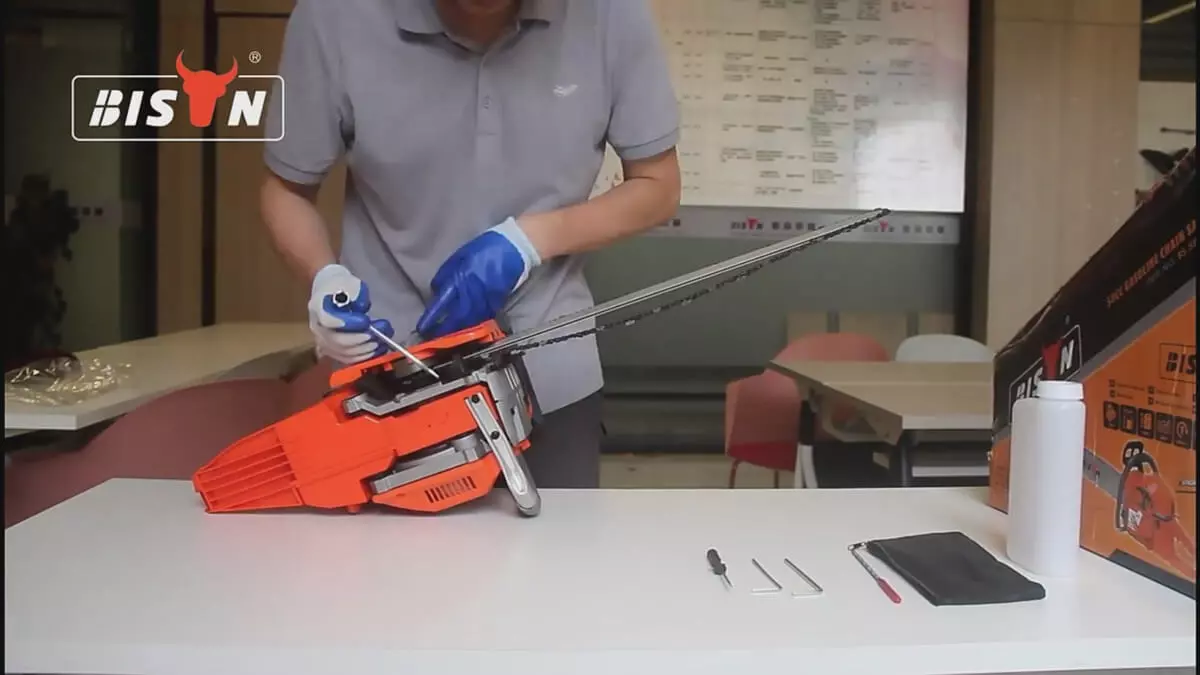
# 4 Chain installed incorrectly
A chainsaw chain is designed to cut in a specific direction. If it's backwards, it won't cut effectively (no matter how sharp it is). So what is the correct direction for a chainsaw chain?
A chainsaw chain always moves counterclockwise (when looking at the left side of the saw). In other words, it moves toward the tip of the saw and away from the handle.
If you installed the chain incorrectly, follow the installation steps mentioned above and pay attention to the direction.
#5 Guide bar needs repair or is worn
Here are five signs that a guide bar is worn:
The guide bar has sharp bumps on the edge that can be felt with your fingers.
The grooves on the guide bar have widened and the chain vibrates too much.
The guide bar looks bent or twisted on a flat surface.
The guide bar nose sprocket is stuck or won't spin freely.
The guide bar is missing parts.
These signs don't mean it's completely unusable. If it can be repaired, go ahead and fix it and keep using it, but it's also a good idea to replace the guide bar.
#6 Clutch needs repair
If the clutch is worn or not working properly, your chainsaw won't cut. How can you tell if the clutch is broken? Look for these three signs:
The chain slips (or lags) when the throttle is fully engaged.
The chainsaw vibrates unusually and makes a grating noise while running.
This cycle continues even when the throttle is released.
If you observe any of these three symptoms, we recommend that you take your chainsaw to a professional for inspection.
#7 Worn sprockets
If your clutch is intact, you should check your sprockets. If your sprockets are badly worn, it can cause your chain to malfunction or not cut at all.
Minor wear on the sprockets is acceptable, but if you see deep grooves or what looks like cracks, especially on spur sprockets, you need to replace them with new ones.
If you have rim sprockets, it will be easier to know when you need to replace them. Rim sprockets come with wear indicators on each side.
#8 Emergency switch
The emergency switch helps ensure that you don't accidentally start the chain saw or leave it running when it's not in a safe position or you're not operating it. While this helps with safety, it can be fragile.
This can cause the chain to not start and can also prevent the chain from moving when you're trying to cut wood. You'll want to replace the switch and make sure it's installed correctly to avoid causing any other problems.
#9 Improper fuel mixture
Two-stroke chainsaw engines require the correct fuel to oil ratio. Use fresh, high-quality unleaded gasoline with an octane rating of at least 89 and mixed in the ratio recommended by the chainsaw manufacturer (usually between 40:1 and 50:1).
If your chainsaw has been running on an improper fuel mixture, completely drain the old fuel and flush the system before adding fresh, properly mixed fuel.
#10 Clogged air filter
A dirty air filter can severely limit the performance of your chainsaw by restricting airflow into the engine. For optimal performance, clean the air filter every few hours, especially in dusty environments. Replace the filter if it is damaged or too dirty to clean effectively.
#11 Carburetor Problems
The carburetor controls the air-fuel mixture that enters the engine. Some carburetor problems can be solved by cleaning or adjusting, while more serious problems may require replacement parts or professional service.
Regular maintenance of the chain and engine components will help ensure your chainsaw cuts efficiently and safely, extending its life and improving your cutting experience.
#12 Fuel filter maintenance
A clogged fuel filter will restrict fuel flow to the engine, reducing power and cutting ability. Locate the fuel filter inside the fuel tank (usually connected to the fuel line) and carefully remove it using a clean hook or wire and then gently clean it with fresh gasoline.
#13 Spark arrestor maintenance
Dirty or worn spark plugs can affect engine performance. Clean slightly dirty spark plugs with a wire brush and use a feeler gauge to check the gap and adjust as needed. Replace if severely worn or damaged.
Conclusion
Most likely, if your chain is spinning but not cutting, your fix is as quick as sharpening or replacing the chain. But if the chain simply won’t engage, you’ll have to do more troubleshooting to determine what the ultimate cause is.
Fortunately, it’s easy to take apart your chainsaw and replace the parts that may be causing the problem. As a professional chainsaw manufacturer with years of experience in the industry, we’ve discussed all the problems and solutions for chainsaws not cutting.
We encourage you to take action now. Whether your chainsaw is currently performing well or showing signs of cutting problems, now is the best time to get it checked out.

related blog
Acquire all kinds of knowledge from professional China factory
do electric chainsaws need oil?
So, what type of oil is electric chainsaw needed, and how much oil is needed? In this comprehensive guide, BISON will clear up the confusion and provide clear answers about electric chainsaw oil.
how to choose a chainsaw chain
Learn all the things you need to keep in mind while choosing a chainsaw chain. It’s a very important decision so don’t make any mistakes.
Chainsaw backfires: Know the issues and stay safe
BISON aims to provide a comprehensive overview of situations in chainsaw backfire. We'll reveal the root cause behind this anomaly, ranging from poor fuel quality to a faulty carburetor adjustment.
related product
Quote high quality products from professional China factory