chainsaw vs. pole saw: what’s the difference?
2026-01-26
Table of content
You’re standing in your yard, looking up at an overgrown branch scraping the roof or down at thick logs waiting to be cut into firewood. The job is clear, but the right tool isn’t. Should you choose a powerful chainsaw, or is a pole saw the safer option?
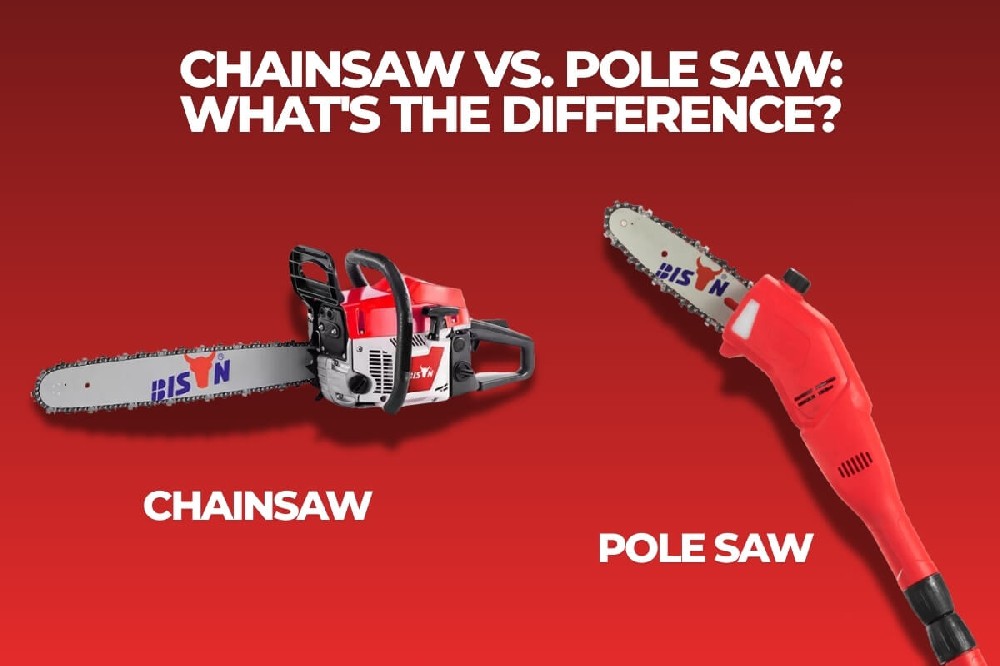
The main difference between a chainsaw and a pole saw is how and where they are used.A chainsaw is a compact, powerful tool designed for cutting thick wood, logs, and even entire trees at close range. A pole saw, by contrast, is built for reach. It’s essentially a small chainsaw mounted on a long pole, allowing you to trim high branches safely from the ground.
If you’re wondering which tool is right for your garden or yard work, this guide will walk you through the differences, uses, and pros and cons of both chainsaws and pole saws so you can make the best choice.
What is a chainsaw?
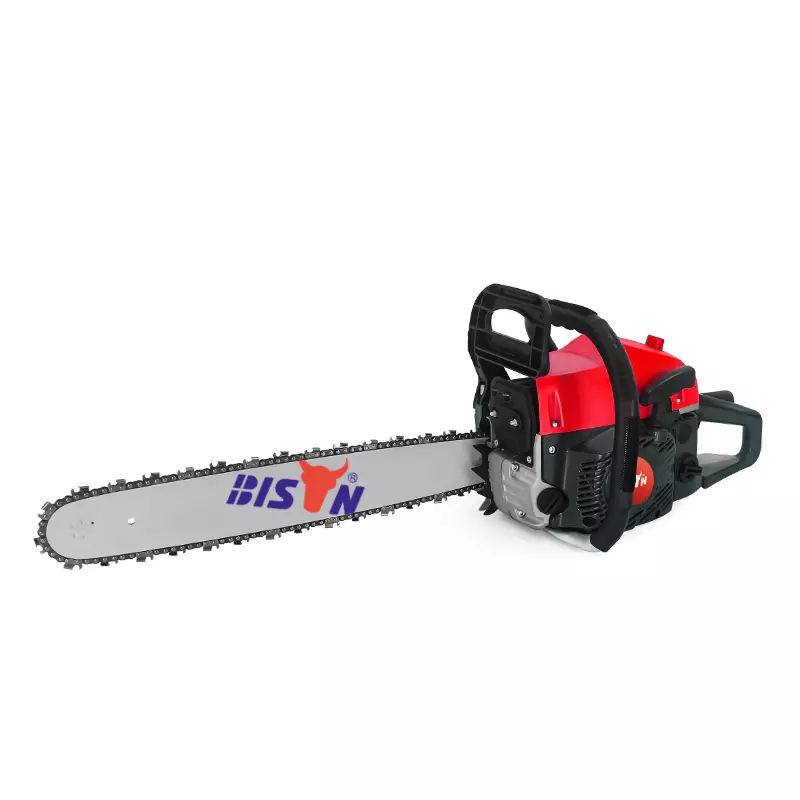
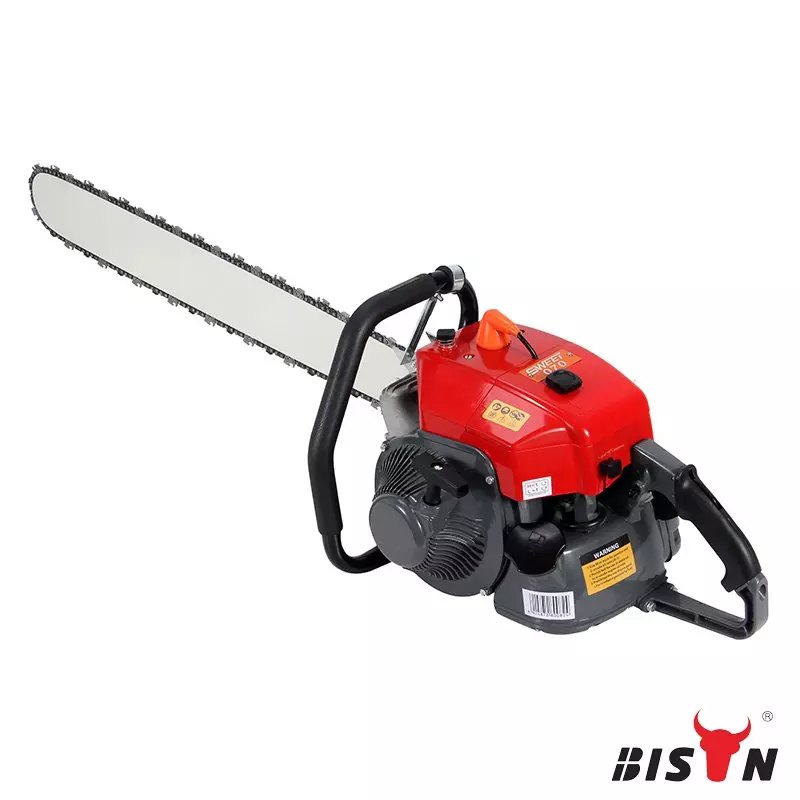
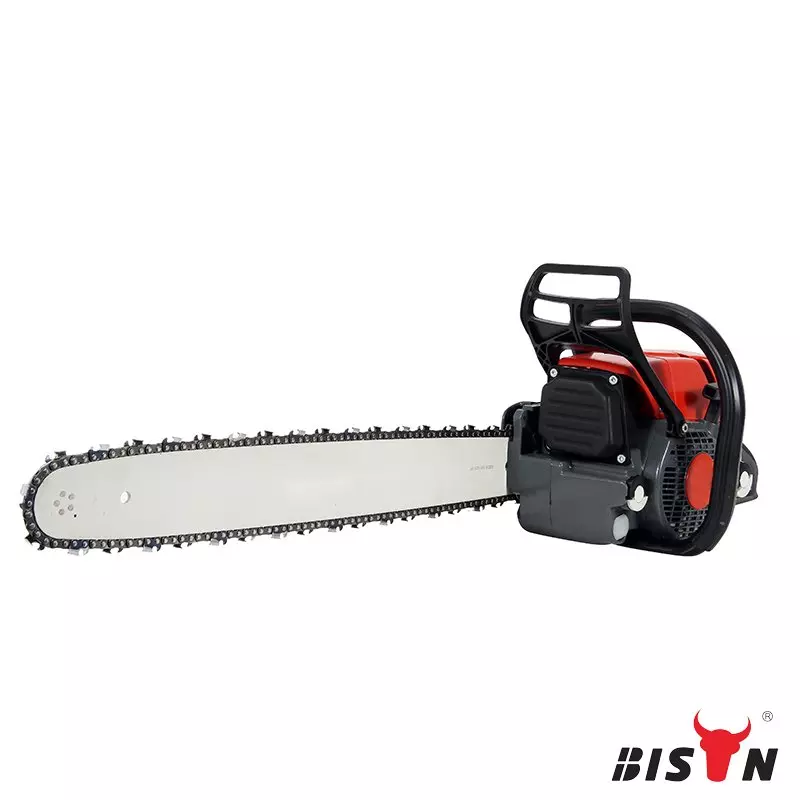
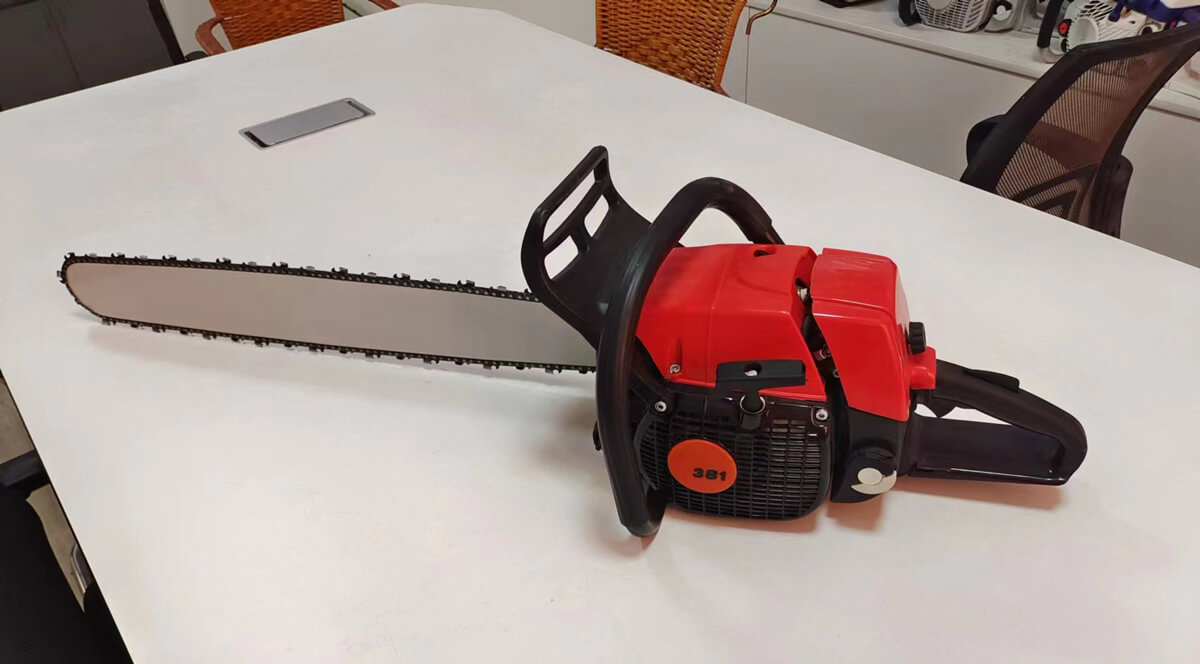
A chainsaw is a portable, handheld power tool designed to cut wood using a fast-moving chain fitted with sharp cutting teeth. The chain runs along a metal guide bar and is powered by a gas or electric engine, allowing it to slice through wood quickly and efficiently.
Chainsaws are commonly used for felling trees, cutting logs, and trimming large branches. Thanks to their strong cutting power and mobility, they are one of the most effective tools for wood-cutting tasks. However, because of their strength and speed, chainsaws can be dangerous if not handled properly and should always be used with care and proper safety equipment.
Types of chainsaws
Chainsaws are available in three main types based on their power source.
Gasoline chainsaws are powered by an internal combustion engine and offer strong cutting power. They are best for heavy-duty tasks such as cutting large logs and trees and are commonly used for outdoor and professional work.
Electric (corded) chainsaws run on electricity and provide steady performance. They are lightweight and suitable for yard work and cutting wood near a power source.
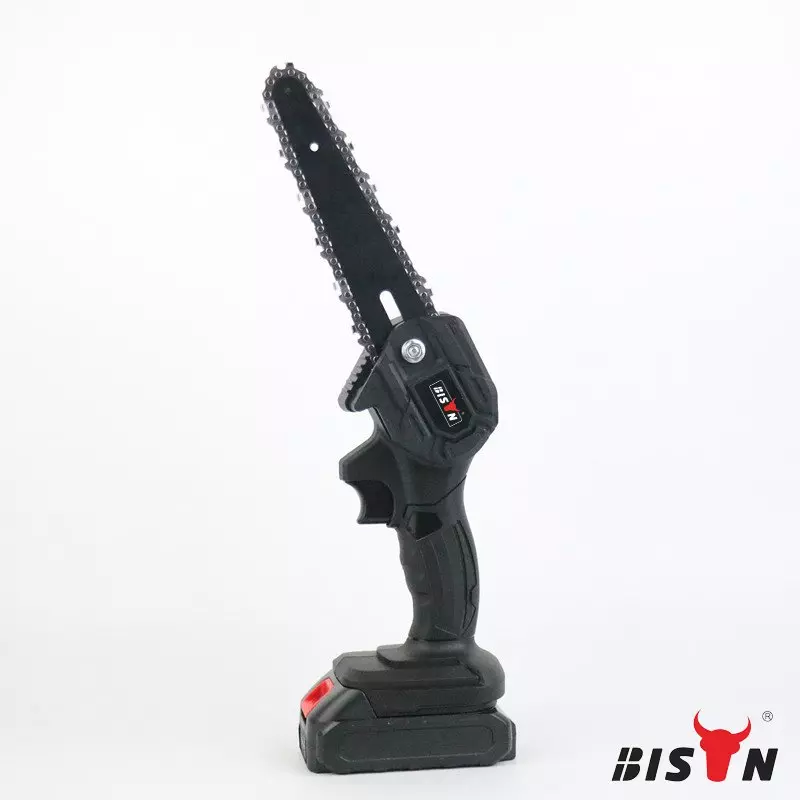
Battery-operated chainsaws use rechargeable batteries and offer good mobility without cords or fuel. They are quieter, easy to handle, and ideal for light to medium cutting tasks.
When to use a chainsaw
A chainsaw is the right tool when a job requires strong cutting power, speed, and direct control. It is best suited for heavy-duty tasks involving thick wood where smaller or long-reach tools would be inefficient or unsafe. Situations where a chainsaw is best:
Cutting firewood: quickly cuts large logs into manageable pieces.
Storm debris cleanup: handles fallen trees and thick branches on the ground.
Tree felling and removal: provides the power and control needed for cutting down trees and large limbs.
Ground-level cutting: ideal for bucking logs, trimming fallen branches, and cutting wood close to the ground.
Pros and cons of a chainsaw
Pros
High cutting power and fast performance
Suitable for thick wood and large diameters
Versatile for many wood-cutting tasks
Available in a wide range of sizes and power levels
Close-body operation allows better control and accuracy
Cons
Heavier than pruning or trimming tools
Requires training and protective equipment
Higher safety risk if used incorrectly
What is a pole saw?
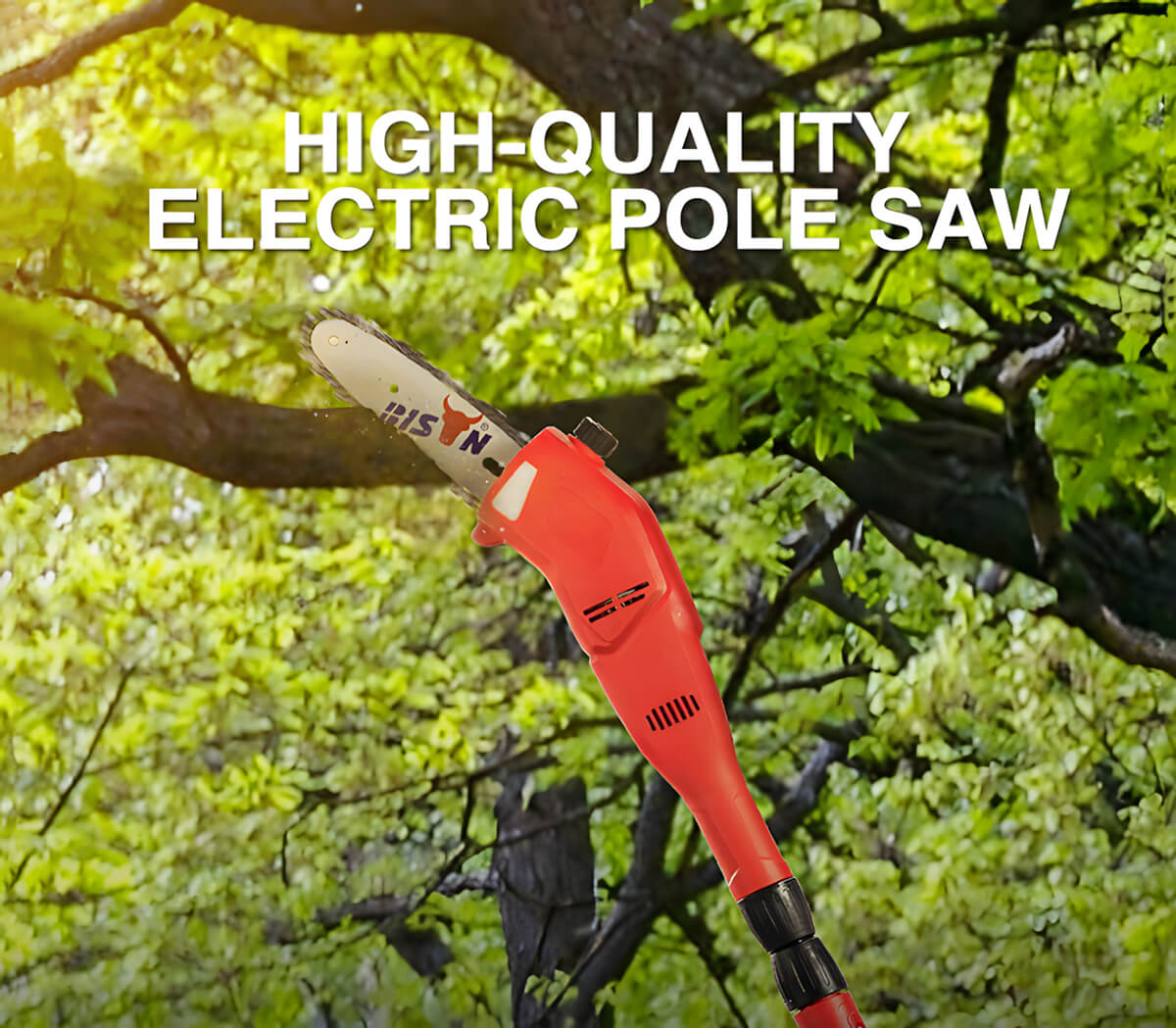
A pole saw is a specialized cutting tool designed for trimming tree branches that are high off the ground. It consists of a small chainsaw cutting head mounted on the end of a long, often extendable pole, allowing users to reach overhead branches while standing safely on the ground.
Pole saws are ideal for pruning hard-to-reach limbs and maintaining trees without using ladders or climbing. Because the cutting head is smaller than a standard chainsaw, it offers better control and precision when trimming branches, especially on tall trees.
By extending reach and improving safety, pole saws make overhead tree maintenance easier and more efficient.
Types of pole saws
Pole saws are mainly classified by how they are powered. Like chainsaws, they come in gas-powered and electric versions, each suited to different trimming needs.
Gas-powered pole saws are the most powerful option and are commonly used for heavy-duty and professional trimming work. They feature a gas engine at one end and a small chainsaw head at the other, connected by a long drive shaft. Most models offer a reach of at least 6 feet or more. These pole saws are highly mobile, can run for long periods between refueling, and provide strong cutting power for thick or dry branches. Because of their weight and power, they require careful handling and are often preferred by professional landscapers.
Electric pole saws are powered by electricity instead of gas and are lighter and easier to operate. The motor is usually located at the base of the pole, with a trigger controlling the cutting speed. They are suitable for light to medium trimming tasks and regular yard maintenance. Corded electric pole saws provide continuous power and are ideal for yards near a power source. They are reliable for occasional trimming but limited by cord length. Cordless pole saws use rechargeable batteries and offer full mobility. They are convenient for quick jobs but have limited run time depending on battery capacity.
When to use a pole saw
A pole saw is the right choice when a job requires height and safe overhead access without climbing ladders or trees. It allows users to cut branches from the ground while maintaining control and visibility. Situations where a pole saw works best:
Pruning fruit trees: reaches high or awkward branches while preserving tree shape
Trimming overgrown branches: safely clears branches over walkways, driveways, or nearby areas
Removing hazardous limbs: cuts dead or weak branches without standing beneath them
Clearing near structures: ideal for branches close to roofs, fences, and gutters when used with proper safety distance
Pros and cons of a pole saw
Pros
Allows safe ground-level operation
Excellent reach for high branches
Reduces the need for ladders and lowers fall risk
Offers controlled, precise cutting for targeted trimming
Cons
Limited cutting ability on thick branches
Can be harder to balance due to pole length
Key differences between chainsaws and pole saws
Although both tools use a chain-and-bar cutting system, chainsaws and pole saws are designed for very different jobs. This comparison highlights how they differ in real-world use.
Length
Chainsaw: compact and handheld, designed for close, direct cutting.
Pole saw: a small chainsaw head mounted on a long, often extendable pole for overhead work, allowing cutting without ladders.
Reach
Chainsaw: short reach; the user works close to the wood.
Pole saw: long reach; cuts high branches while standing on the ground.
Power
Chainsaw: high power, suitable for thick logs and tree trunks.
Pole saw: lower power, intended for small to medium branches.
Weight and balance
Chainsaw: heavier, but balanced for two-handed control near the body.
Pole saw: lighter cutting head, but the long pole can feel top-heavy.
Ease of use
Chainsaw: requires more skill, strength, and experience.
Pole saw: easier for beginners, especially for basic pruning.
Cost comparison
Price matters, but long-term costs such as fuel, batteries, and maintenance should also be considered.
Chainsaw cost: fuel or batteries, bar oil, chain sharpening or replacement, and safety gear.
Pole saw cost: batteries or fuel, chain maintenance, and pole mechanism upkeep.
Overall: chainsaws generally cost more due to higher power and maintenance needs, while pole saws are more affordable but trade cutting strength for reach and convenience.
Safety considerations
Whether using a chainsaw or a pole saw, safety should always come first. As a professional saw manufacturer in China, bison emphasizes correct tool selection, proper handling, and the use of protective equipment to reduce risks and ensure safe operation.
General safety tips for all saws
Wear proper personal protective equipment (ppe), including a helmet, eye protection, gloves, long sleeves, and sturdy footwear
Read and follow the manufacturer’s instructions before use
Maintain a stable stance and keep both hands on the tool
Keep the cutting area clear of people, pets, and obstacles
Inspect the chain, guide bar, and safety features before operation
Chainsaw safety
Chainsaws require extra caution because they are operated close to the body and produce high cutting force. Using a chainsaw incorrectly can quickly lead to serious injury.
Common risks
Kickback when the guide bar tip contacts wood
Accidental contact with the moving chain
Flying debris such as wood chips or broken branches
Safety precautions
Maintain a firm two-handed grip and proper body position
Avoid cutting above shoulder height
Do not use a chainsaw while standing on ladders
Cut at waist height or below for better control
Wear full ppe, including chainsaw chaps or cut-resistant pants
Pole saw safety
Pole saws reduce the need for climbing but introduce overhead cutting risks. Users must remain aware of falling branches and surroundings at all times.
Common risks
Falling branches striking the operator
Arm and shoulder fatigue from extended overhead use
Accidental contact with power lines
Safety precautions
Never stand directly under the branch being cut
Keep a safe distance from the cutting area
Plan an escape path before cutting
Take regular breaks to avoid fatigue-related loss of control
Maintain constant awareness of overhead hazards and nearby power lines
Pole saw and chainsaw FAQs
Can I use a pole saw to cut wood?
No. Pole saws are designed for trimming branches above ground. Use a regular chainsaw to cut logs on the ground, fell trees, or cut thick tree trunks.
How high can a pole saw reach?
Pole saws typically extend from 6–8.9 feet, reaching up to 13.7 feet with some models. Professional or telescopic versions can go even higher, allowing safe overhead trimming without ladders.
How do I choose a pole saw?
Choose a pole saw with a cutting bar or blade at least two inches longer than the largest branch you plan to trim. Gas and electric models offer longer bars for bigger branches, while manual models have shorter blades.
How thick can a pole saw cut?
Most pole saws can cut branches between 2 and 9 inches in diameter, depending on the saw’s size and power.
Is a chainsaw or pole saw better for beginners?
Pole saws are generally safer and easier for beginners, especially for high pruning. Chainsaws are more powerful but require experience, strength, and full safety gear.
Conclusion
Chainsaws and pole saws may look similar, but they serve very different purposes. The right choice depends on your tasks, the size of the wood, and the working height. Chainsaws excel at cutting logs and thick branches near the ground, while pole saws provide safe, precise reach for high pruning and light trimming.
As a professional chainsaw manufacturer in China, BISON offers a wide range of chainsaws and pole saws designed for performance, reliability, and safety. By selecting the tool that fits your needs, you can make your cutting projects easier, safer, and more efficient.

related blog
Acquire all kinds of knowledge from professional China factory
do electric chainsaws need oil?
So, what type of oil is electric chainsaw needed, and how much oil is needed? In this comprehensive guide, BISON will clear up the confusion and provide clear answers about electric chainsaw oil.
how to choose a chainsaw chain
Learn all the things you need to keep in mind while choosing a chainsaw chain. It’s a very important decision so don’t make any mistakes.
Chainsaw backfires: Know the issues and stay safe
BISON aims to provide a comprehensive overview of situations in chainsaw backfire. We'll reveal the root cause behind this anomaly, ranging from poor fuel quality to a faulty carburetor adjustment.
related product
Quote high quality products from professional China factory