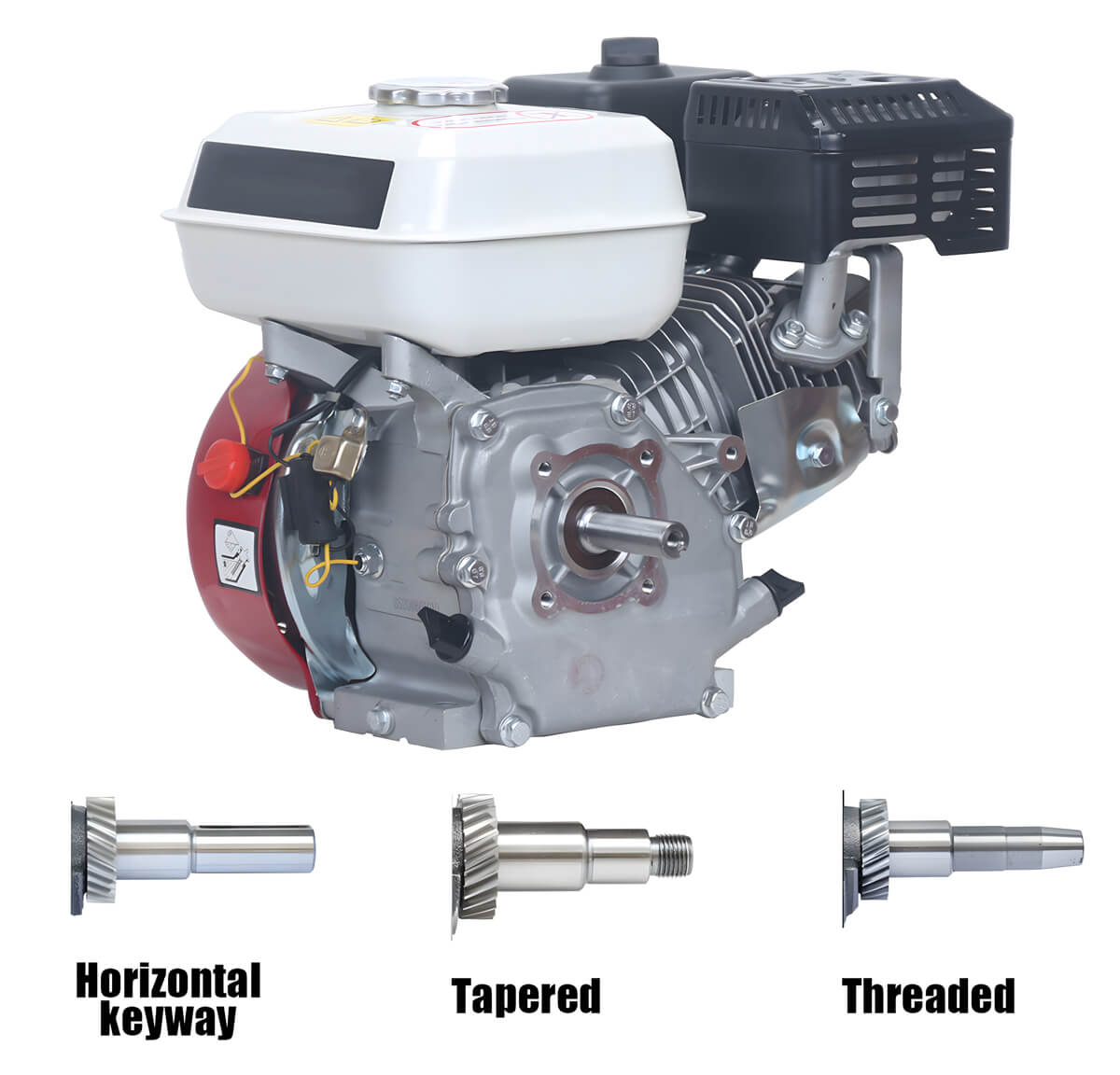
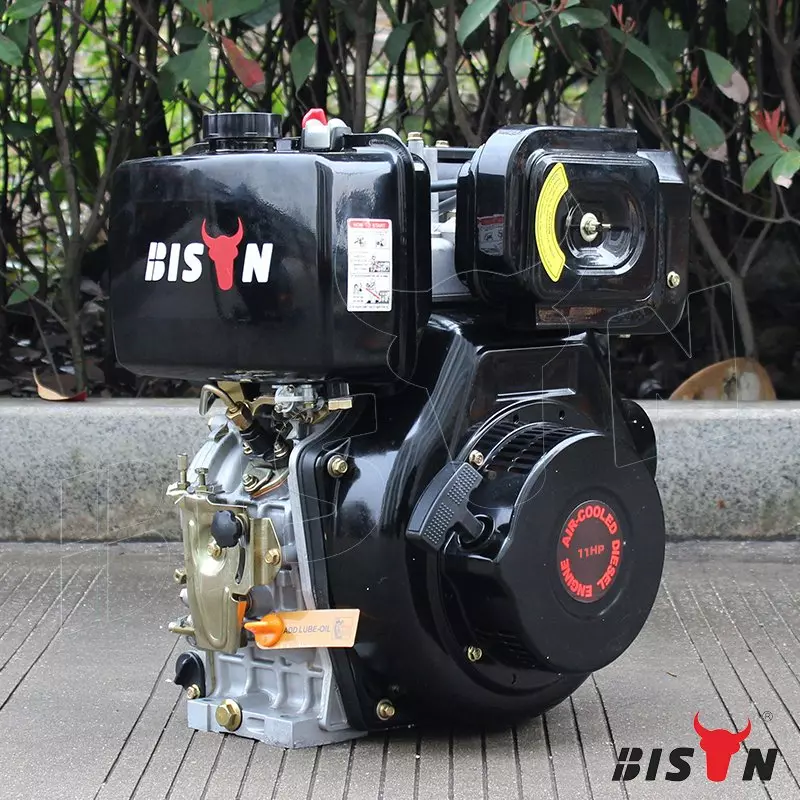
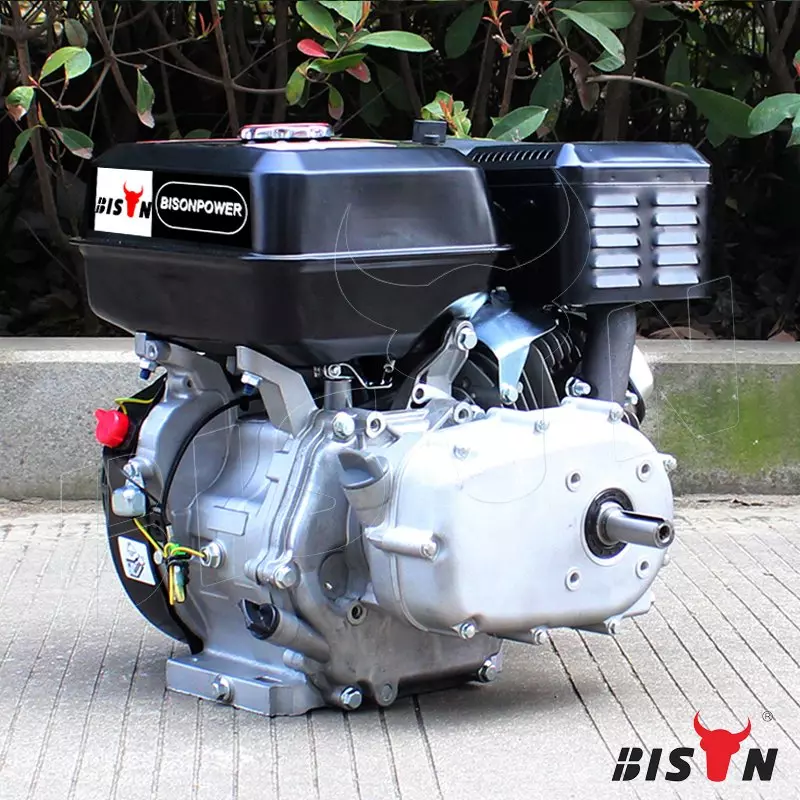
An air-cooled engine features cooling fins around the block that allow air to flow over its surface, reducing the temperature of the engine’s rotating components. This helps minimize wear, ensures smooth operation, and extends the life of the engine. The design also makes the engine simpler, lighter, and easier to maintain.
Air-cooled engines have been widely used since the early days of engine development for their reliability and ease of use. Today, they continue to power tools, machines, motorcycles, and small vehicles thanks to their proven performance and durability.
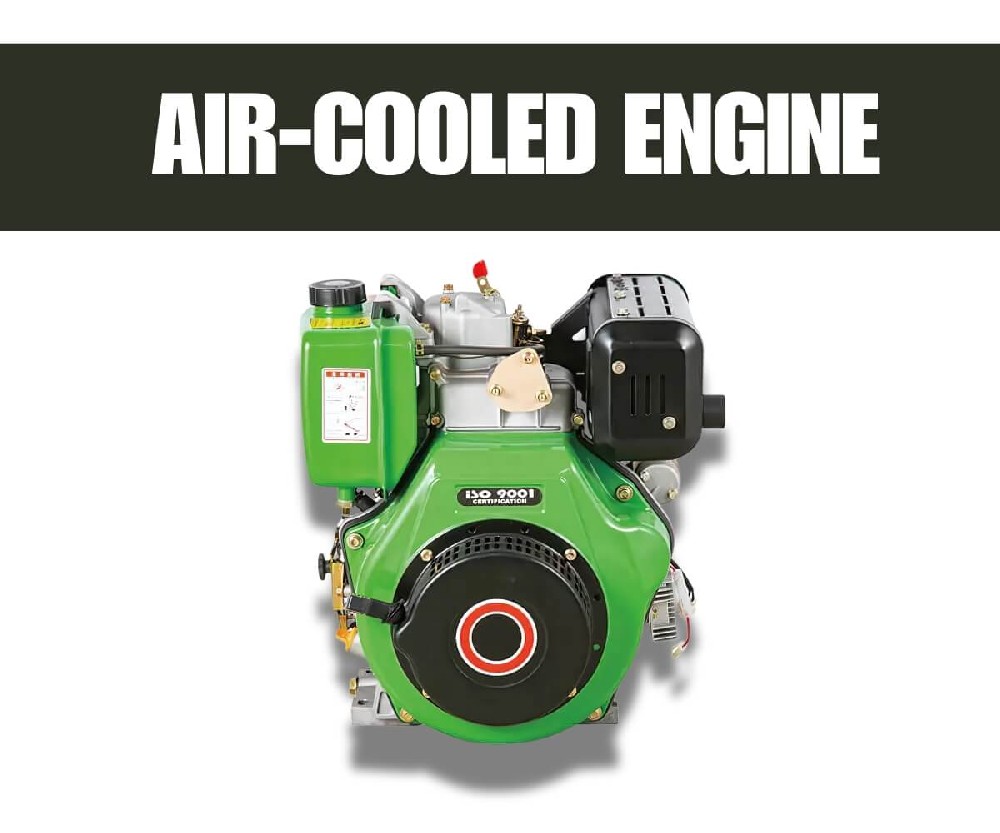
What is an air-cooled engine?
An air-cooled engine is a type of internal combustion engine that uses air, instead of liquid coolant, to dissipate heat and maintain optimal operating temperatures. Heat is removed from the engine through airflow over specially designed cooling fins on the cylinder head and other hot components, preventing overheating during operation.
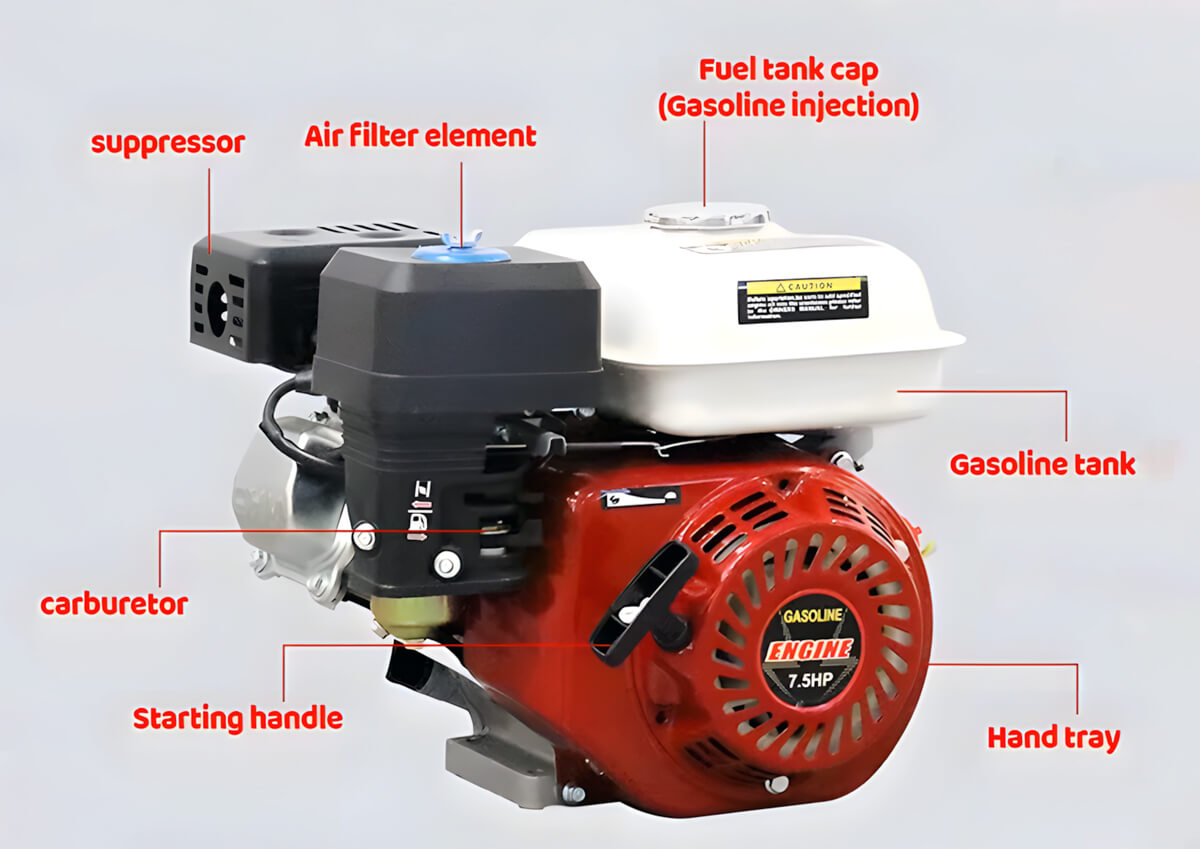
Approximately 12% of the engine’s heat is lost through these fins, while the majority—about 44%—escapes through the exhaust, and around 8% is absorbed by engine oil, which also helps with lubrication and cooling.
Air-cooled engines rely on three methods of heat transfer:
Conduction: heat moves from the engine’s interior to the outer surface and fins.
Convection: air flowing over the fins carries heat away from the engine.
Radiation: some heat escapes directly into the surrounding air.
Air can flow naturally when the engine is exposed or be forced by a fan or blower for better cooling. The use of materials like aluminum improves heat transfer from the engine to the fins, allowing air to carry it away efficiently.
This design makes air-cooled engines simpler, lighter, easier to maintain, and ideal for compact applications, powering motorcycles, small vehicles, tools, and machines reliably and efficiently.
Benefits of using an air-cooled engine
Air-cooled engines have a simple design with fewer components, eliminating the need for a radiator, water pump, or coolant. This makes them lighter, easier to maintain, and ideal for users seeking a reliable engine with minimal upkeep. Their straightforward construction also makes them more affordable to produce and easier to repair without specialized tools or skills.
Another major advantage is their ability to handle extreme weather. Without liquid coolant, there’s no risk of freezing in winter or boiling over in summer, making air-cooled engines perfect for machines operating in harsh outdoor conditions. Key advantages:
No coolant leakage problems
Faster warm-up compared to liquid-cooled engines
No risk of coolant freezing
Lighter than liquid-cooled engines
Simple, easy-to-maintain design
Performs well in warm environments
Lower installation cost
Better fuel efficiency than liquid-cooled engines
Disadvantages of air-cooled engines
While air-cooled engines are simple and reliable, they do have some limitations. Air does not dissipate heat as efficiently as liquid, which can cause the engine to run hotter, potentially reducing performance and shortening its lifespan.
These engines can be louder due to cooling fans and their open design, and uneven cooling may lead to extra wear on certain components. Hot weather worsens the issue, as warm air is less effective at removing heat. Additionally, limited temperature control can make it harder for air-cooled engines to meet strict emissions standards. Key disadvantages:
Prone to overheating
Large cooling fans consume significant power
Higher manufacturing cost
Louder operation compared to liquid-cooled engines
Higher emissions due to limited cooling and higher combustion temperatures
Reduced performance in cold weather
Requires more frequent maintenance
Lower power output compared to liquid-cooled engines of the same size
Uses of air-cooled engines in different machines
Air-cooled engines are widely used across industries due to their simplicity, reliability, and ease of maintenance. They are commonly found in motorcycles, lawnmowers, generators, outboard motors, pump sets, saw benches, and auxiliary power units.
Common applications:
Lawnmowers and outdoor power equipment: powers chainsaws, lawnmowers, and other outdoor tools efficiently.
Motorcycles: ideal for off-road and lightweight motorcycles due to their compact size and ease of maintenance.
Agricultural implements: drives cultivators, tractors, and other farm equipment where durable, easy-to-fix engines are needed.
Portable generators: lightweight and compact design makes them perfect for portable power generation.
Simple guide to caring for an air-cooled engine
Taking care of an air-cooled engine is straightforward if you follow a few key steps. These engines can overheat, especially in hot or humid conditions, so regular maintenance is essential for optimal performance.
Clean the cooling fins: Keep the fins free from dirt, dust, and debris using a brush or compressed air. Clear fins ensure smooth airflow and proper cooling.
Check for airflow blockages: Remove leaves, tools, or any objects that could block air from reaching the fins. Proper airflow is critical to prevent overheating.
Watch for overheating: If the engine runs hot, loses power, or runs roughly, inspect the cooling fins and air passages. Ensure the fan (if present) is working and repair any blockages or damaged parts promptly.
Regular maintenance tips: Change the engine oil on schedule, use the correct fuel, and keep the spark plug clean. These habits help the engine run smoothly and extend its lifespan.
Seasonal care: Hot summers, keep the engine shaded and check cooling fins more frequently. Winter storage, drain fuel or use a fuel stabilizer, store the engine in a dry place, and cover it to prevent dust accumulation.
As a professional air-cooled engine manufacturer in China, we understand both the strengths and limitations of air-cooled engines. They provide simplicity, lightweight design, and easy maintenance, though they may face challenges with higher temperatures and noise. These engines are ideal for motorcycles, small machines, and certain industrial tools where durability and straightforward operation are essential. Explore and purchase high-quality air-cooled engines from our brand to enjoy efficient, long-lasting performance for your needs.