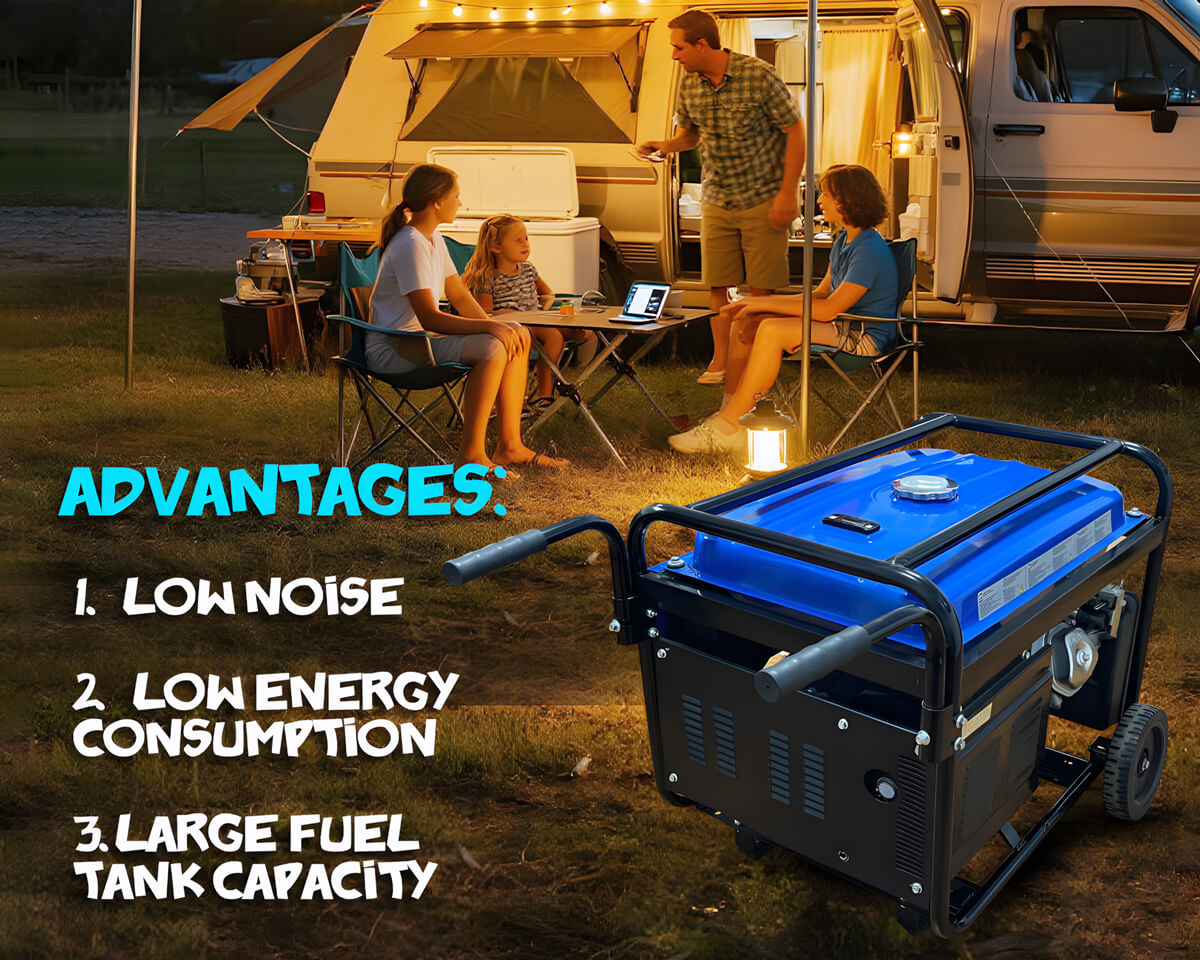
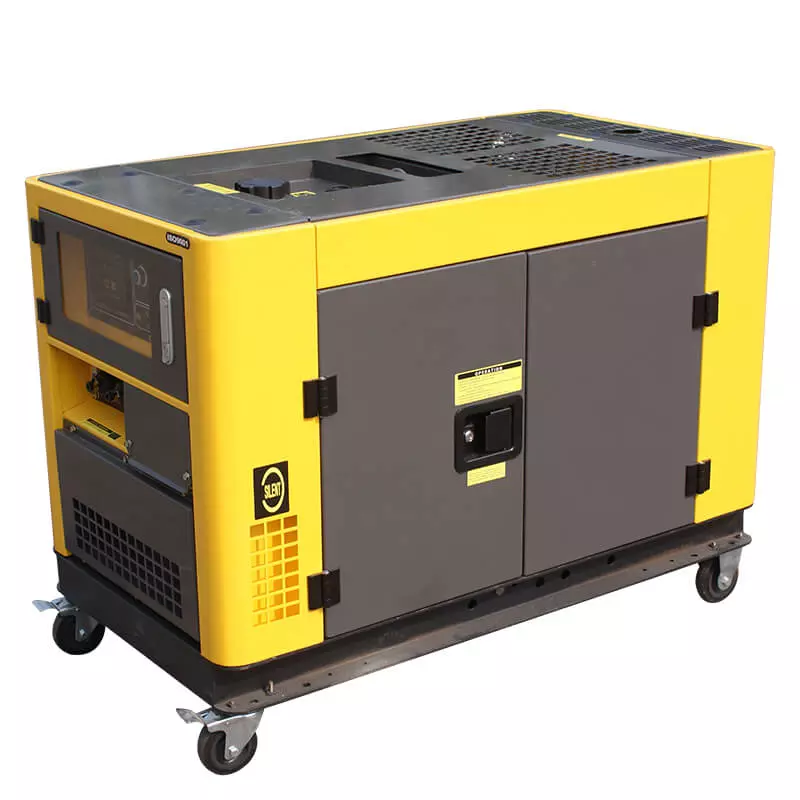
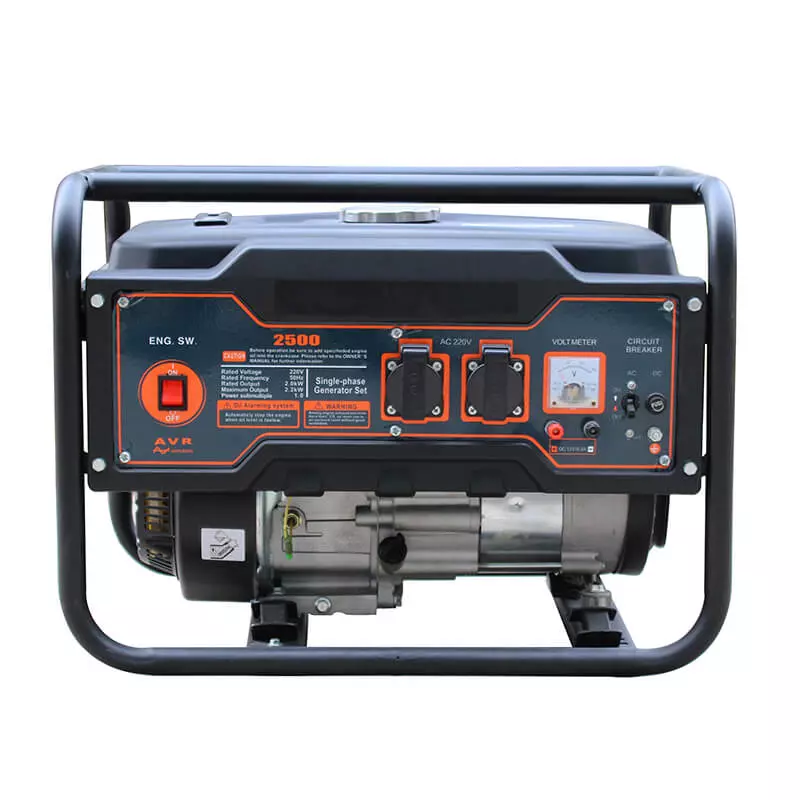
Generators are essential to modern life, providing electricity when grid power is unavailable. Choosing the right generator starts with deciding between air-cooled and liquid-cooled models. Air-cooled generators use air to dissipate heat, while liquid-cooled generators rely on water or coolant.
Air-cooled generators are popular for those needing reliable power without the complexity of heavier systems. Known for their durability, lower operating costs, and hassle-free upkeep, air-cooled generators are commonly used to power homes during outages, support small businesses, and provide portable electricity for outdoor projects or events.
This article explores the key advantages and drawbacks of air-cooled generators to help you determine the best fit for your needs.
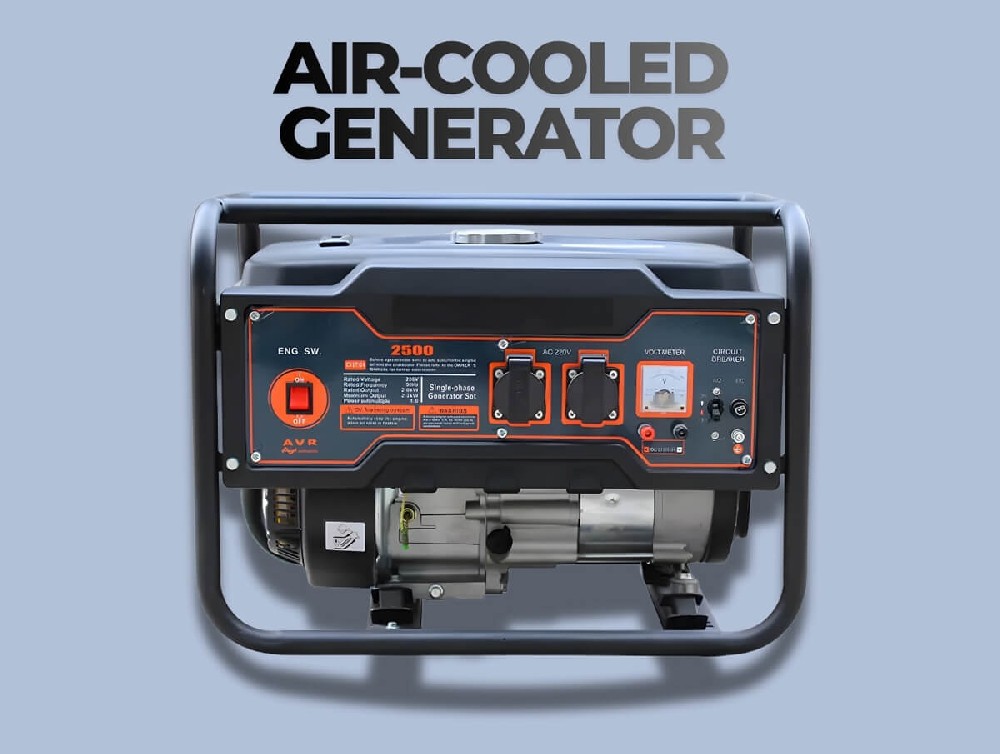
What is an air-cooled generator?
Air-cooled generators produce electricity through electromagnetic induction. Inside the generator, the engine spins a coil of wire near a magnet, generating electrical power for homes, businesses, or portable needs.
To prevent overheating, air-cooled generators use a system of fans and fins to dissipate heat. The engine is surrounded by fins to increase surface area, and fans blow air over them to keep the engine cool. Ventilation openings allow hot air to escape, maintaining a safe operating temperature and reducing the risk of damage, repairs, or downtime.
In operation, the engine draws in ambient air, circulating it to prevent overheating. Air-cooled generators come in different designs to suit various needs:
Open-frame models are lightweight and portable, ideal for outdoor work or temporary power.
Enclosed models feature a protective cover that reduces noise and enhances safety, perfect for home backup or quieter environments.
This simple yet effective cooling system makes air-cooled generators dependable and easy to maintain.
Cooling methods:
Passive cooling: surrounding air absorbs heat from the engine. Rising hot air or wind carries it away, sufficient for portable, open-frame generators.
Forced air cooling: a fan blows air over the engine to remove excess heat. Most air-cooled generators have one- or two-cylinder engines under 1000cc, with the fan powered by the engine. This method works well in moderate climates where temperatures rarely exceed 100°f.
Advantages of air-cooled generators
Air-cooled generators are generally smaller, simpler, and less expensive than liquid-cooled models. Their straightforward design means fewer parts, making them easier to maintain, less likely to break down, and more cost-effective—ideal for homeowners and small businesses. Enclosed models with built-in cooling fans also enhance safety during operation.
Effective design
Air-cooled generators don’t need hoses, radiators, water pumps, or coolant, avoiding issues like freezing, leaks, boiling, contamination, or corrosion. This simplicity reduces maintenance needs, lowers the risk of system-wide failures, shortens downtime, and makes shipping and installation easier and more cost-efficient.
Cost comparison
Air-cooled generators are affordable, with prices primarily determined by size and power. Liquid-cooled systems are more complex and expensive, requiring additional components like radiators and pumps. For smaller applications, air-cooled units provide a budget-friendly and efficient alternative.
Maintenance
The simplicity of air-cooled systems makes maintenance straightforward. Cleaning is quick, requires minimal tools or expertise, and produces little mess, making upkeep accessible for anyone.
Disadvantages of air-cooled generators
While air-cooled generators are simple and cost-effective, they do have some limitations.
cooling capacity
Their cooling capacity is limited, making them less suitable for very large power demands or continuous heavy use. Prolonged operation in hot climates can lead to overheating, which may cause engine damage or require significant repairs. It also can trigger an engine shutdown if the temperature exceeds safety limits. The generator will not restart until the engine cools, which may require user intervention.
Durability
Air-cooled engines are slightly less robust than liquid-cooled ones because oil can break down faster in higher temperatures, potentially causing damage without warning. Preventive maintenance and careful monitoring of usage and temperature are important to avoid problems.
Noise level
Air-cooled generators are generally louder than liquid-cooled systems due to the fans used to circulate air. While all generators produce some noise, this is a notable factor in environments where quiet operation is important.
Air-cooled generators: common applications
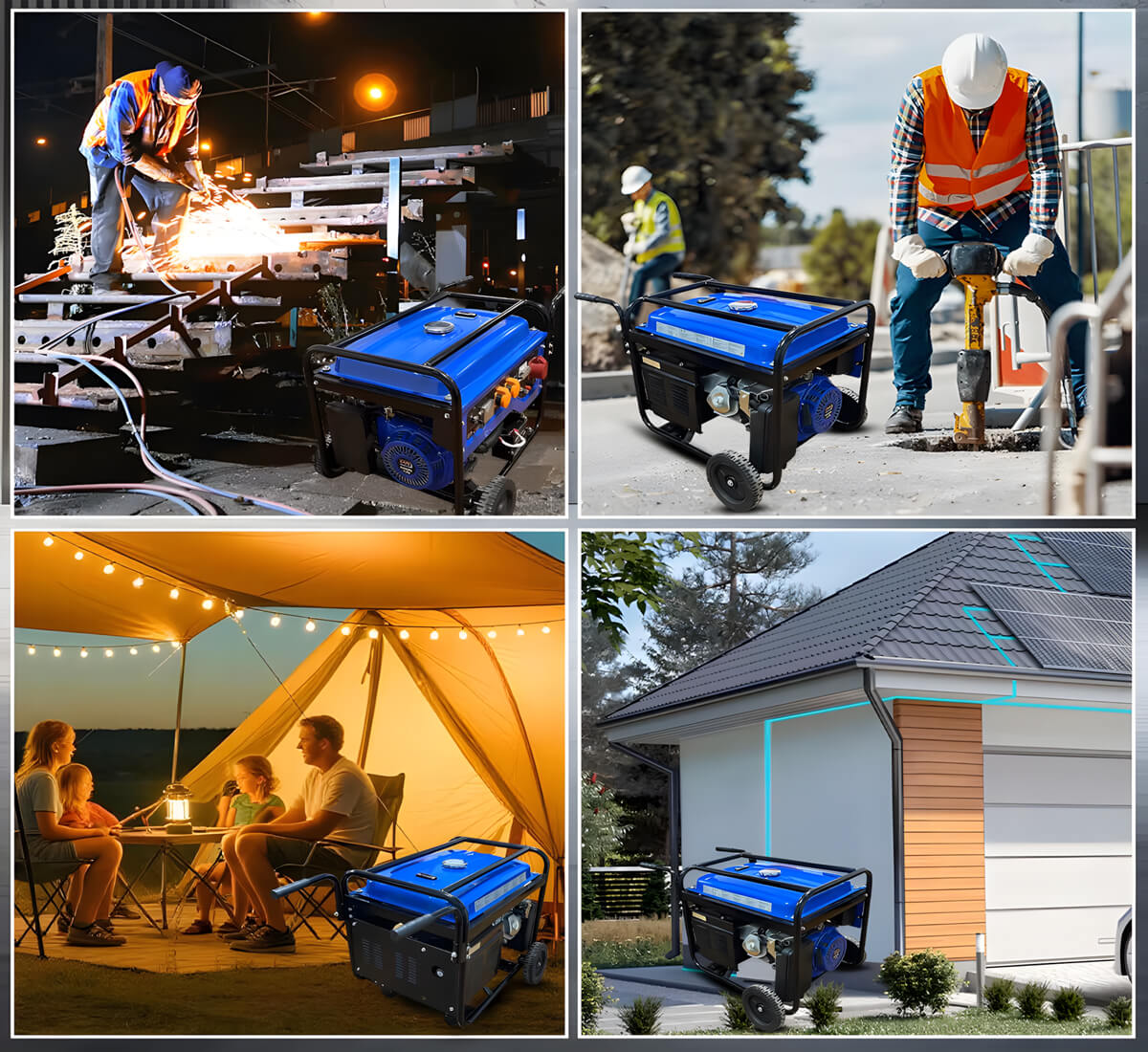
Air-cooled generators are incredibly versatile, offering a practical and cost-effective solution for dependable power in various environments. Generally, they are employed in the following industries and scenarios:
1. Residential & small business
Small-scale use: Commonly used for camping, recreational vehicles (RVs), and small power tools.
Backup power: Used by many homes and small businesses to keep appliances and essential devices running during outages without interruption.
Off-grid living: Ideal for cabins, farms, and remote projects where access to advanced infrastructure is limited.
2. Industrial & resource sectors
Construction & Mining: Provides reliable power for tools, equipment, and temporary worksites. They are also widely used in forestry and agriculture.
Main power source: Often serve as the primary power provider in specific industrial setups.
Pumping & irrigation: Suitable for infrequently used septic, wastewater, or irrigation systems.
3. Specialized & vital infrastructure
Telecommunications & marine: Used for long-term, vital tasks such as telecommunications equipment, nautical buoys, and lighthouses.
Maritime activities: Air-cooled diesel engines are the most prevalent engines on ships globally.
Refrigeration: Their open architecture makes them the recommended choice for refrigeration systems.
Prefabricated buildings: Favored for stand-alone buildings due to their low long-term maintenance.
4. Emergency & military operations
Military use: Recommended for combat conditions due to their reliability and ability to withstand a range of weather conditions.
Disaster response: Used in areas affected by earthquakes or floods; they resist clogging from dirt and debris more effectively than other systems.
Renewable energy: Often pair with solar or wind systems to provide power when weather conditions are not ideal.
Factors to consider while choosing an air-cooled generator
Choosing the right air-cooled generator starts with knowing how much power you need. List the appliances, tools, or equipment you plan to run and total their wattage. Air-cooled generators vary in size and power. Small portable models can run essentials like lights, refrigerators, or tools, while larger stationary units support multiple appliances for bigger homes or businesses.
Next, consider fuel type:
Gasoline generators: common for small, portable units, ideal for home backup during short outages or outdoor activities like camping.
Diesel generators: known for durability and longer run times, often used for small businesses or jobsites requiring steady power.
Propane generators: cleaner-burning and easy to store long-term, suitable for low-emission needs.
Natural gas generators: perfect for homes or businesses with a natural gas line, providing convenient continuous power.
A special type, the inverter generator, delivers cleaner, more stable electricity, making it safe for sensitive electronics like laptops or tvs. Inverter generators are also fuel-efficient, quieter, and longer-lasting than traditional models.
Portability and budget are also important. Lightweight, portable models are perfect for outdoor projects or camping, while stationary units suit home or business backup needs.
Other key features to evaluate include:
Runtime: how long it can operate on a full tank.
Noise level: critical for home or quiet environments.
Extras: automatic start, multiple outlets, or inverter technology for cleaner, stable power.
By assessing your power needs, fuel preference, portability, and budget, you can choose an air-cooled generator that is reliable, efficient, and safe for your situation.
Conclusion
Air-cooled generators are valued for their simple design, easy maintenance, and cost-effectiveness, making them a practical choice for a wide range of power needs. While they may not match the cooling capacity of larger liquid- or hydrogen-cooled systems, their affordability, portability, and reliable performance make them ideal for home backup, small businesses, outdoor projects, and remote power setups.
The key for buyers is to select a generator that matches your power requirements, fuel preference, and usage environment, ensuring the best balance of performance and value. With proper maintenance and the right features, an air-cooled generator can provide dependable power for years.
As a professional generator manufacturer in China, we are committed to delivering high-quality, reliable air-cooled generators backed by expert support. Explore our range today and choose a generator built for performance, value, and peace of mind.