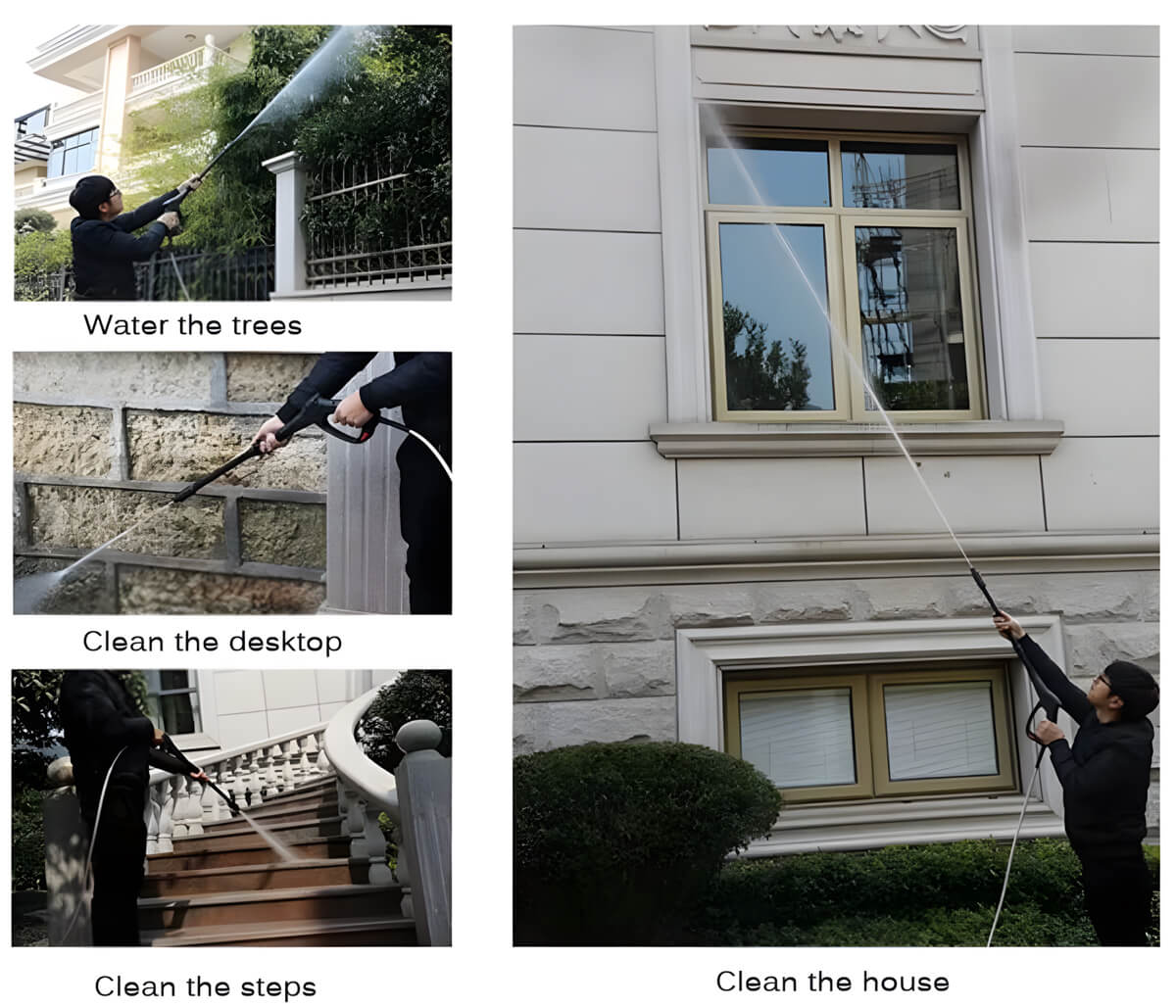
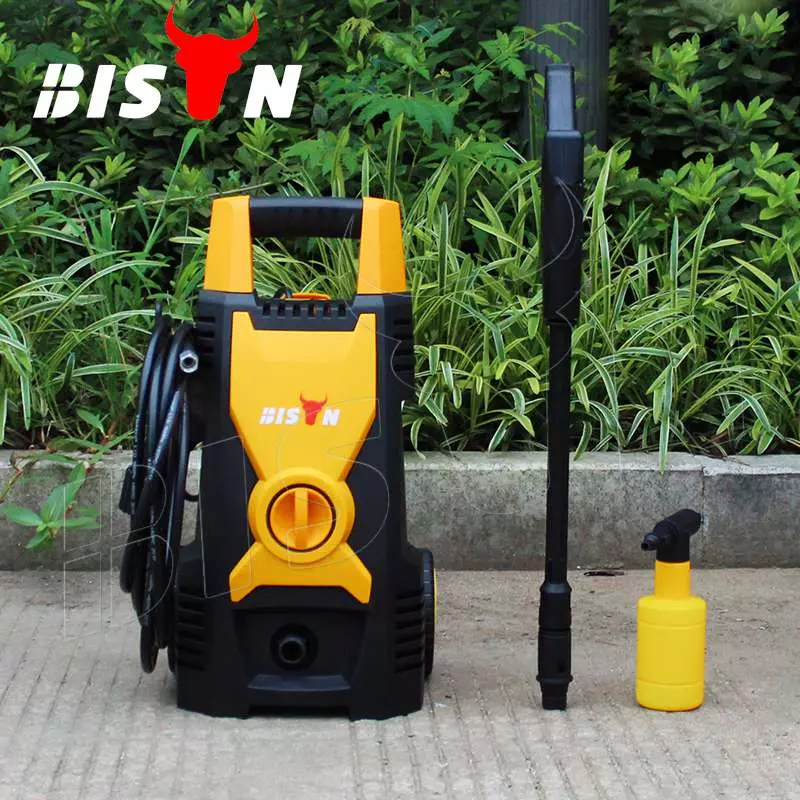
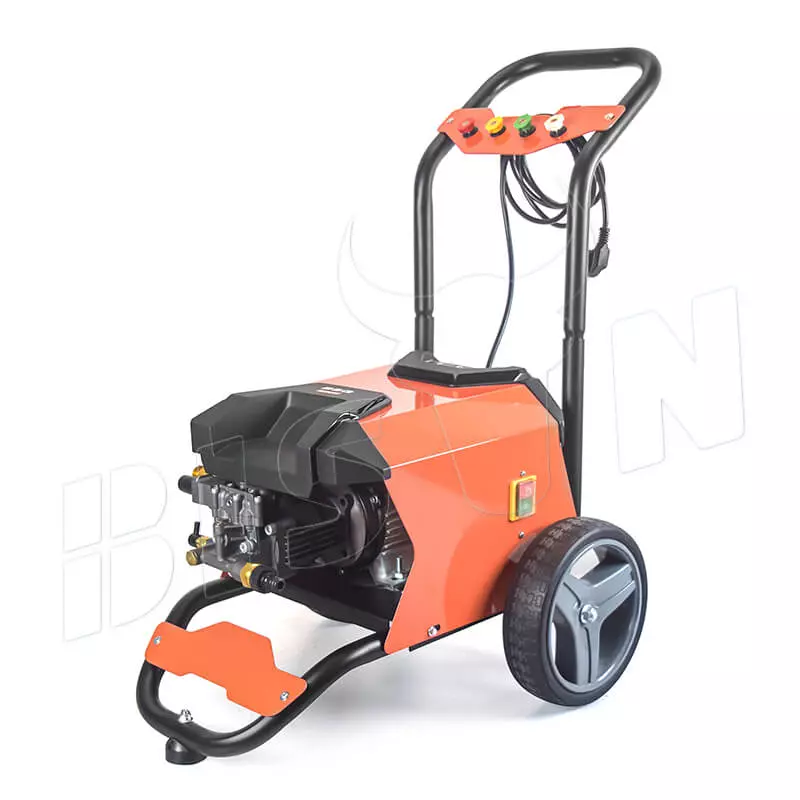
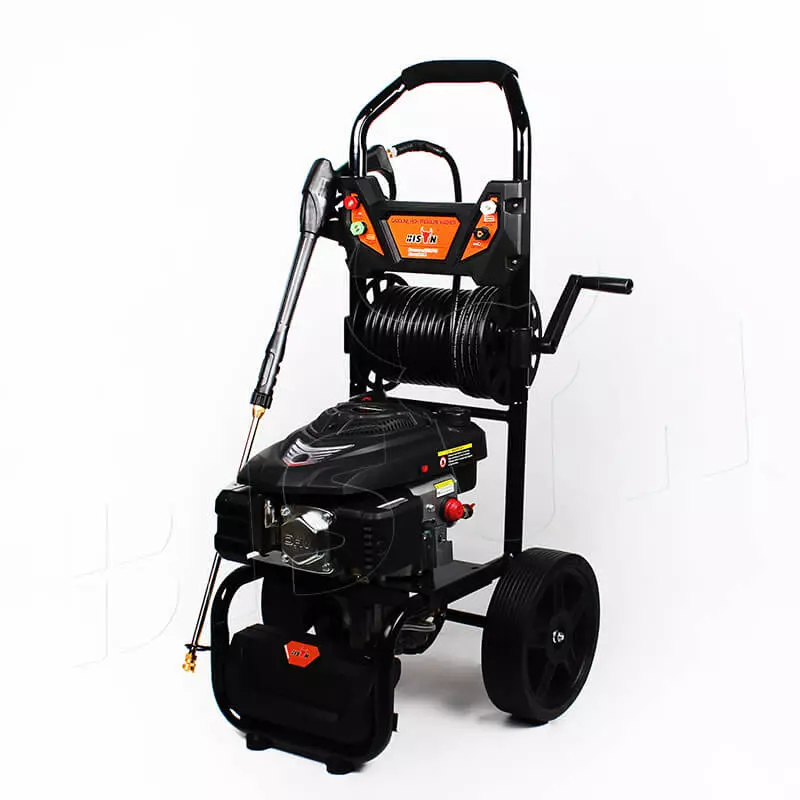
A home pressure washer is an invaluable tool for keeping your home's exterior clean. Whether removing grime from your driveway, cleaning your patio, or washing your car, a pressure washer makes these tasks faster and more efficient. However, with so many pressure washers on the market, choosing the right one can be overwhelming.
Therefore, understanding how to select the right pressure washer is crucial. This guide will introduce key tips and considerations to help you choose the perfect pressure washer for your home.
understand cleaning power (psi and gpm)
Two key factors determine a pressure washer’s performance: psi (pounds per square inch) and gpm (gallons per minute). Psi measures water pressure, which determines how forcefully water hits the surface, while gpm measures water flow — how much water is released per minute. Together, they indicate how effectively a washer can remove dirt and grime.
choosing the right psi level
Low pressure (1,300–2,000 psi): ideal for light-duty jobs such as washing cars, windows, and outdoor furniture. Gentle on delicate surfaces.
Medium pressure (2,000–2,800 psi): suitable for general cleaning tasks like driveways, patios, and decks. Strong enough for dirt and mold removal.
High pressure (2,800 psi and above): best for heavy-duty jobs such as cleaning concrete, large fences, or stripping paint. Provides powerful force for stubborn buildup.
choosing the right gpm level
Low flow (1.2–1.6 gpm): suitable for small tasks like washing cars and windows.
Medium flow (1.6–2.5 gpm): perfect for most household cleaning jobs, including patios, driveways, and siding.
High flow (2.5 gpm and above): designed for large or heavily soiled surfaces, offering faster coverage and stronger rinsing power.
For typical residential use, a washer with 1.6–2.5 gpm and 1,800–2,800 psi provides an excellent balance of power, efficiency, and control.
By understanding psi and gpm, you can confidently choose a pressure washer that matches your cleaning needs — delivering the best performance for your home without wasting time, water, or effort.
Assess the type and size of the surface
The type of surface you plan to clean is one of the most important factors when selecting a pressure washer. Different materials require varying pressure levels to ensure effective cleaning without causing damage.
Concrete and driveways: use a high psi of around 3,000 to remove dirt, oil, and stains from hard surfaces.
Wood decks and fences: a 1,500–2,500 psi washer provides enough power to clean without damaging the wood.
Vehicles: opt for a gentle 1,500–2,000 psi setting to safely wash cars, trucks, and motorcycles without harming the paint.
Siding and roofs: choose a washer with adjustable pressure settings between 1,500–2,500 psi to clean delicate materials like vinyl siding or shingles safely.
By matching the right pressure level to each surface, you’ll achieve a thorough clean while protecting your property from unnecessary wear or damage.
Consider portability and storage
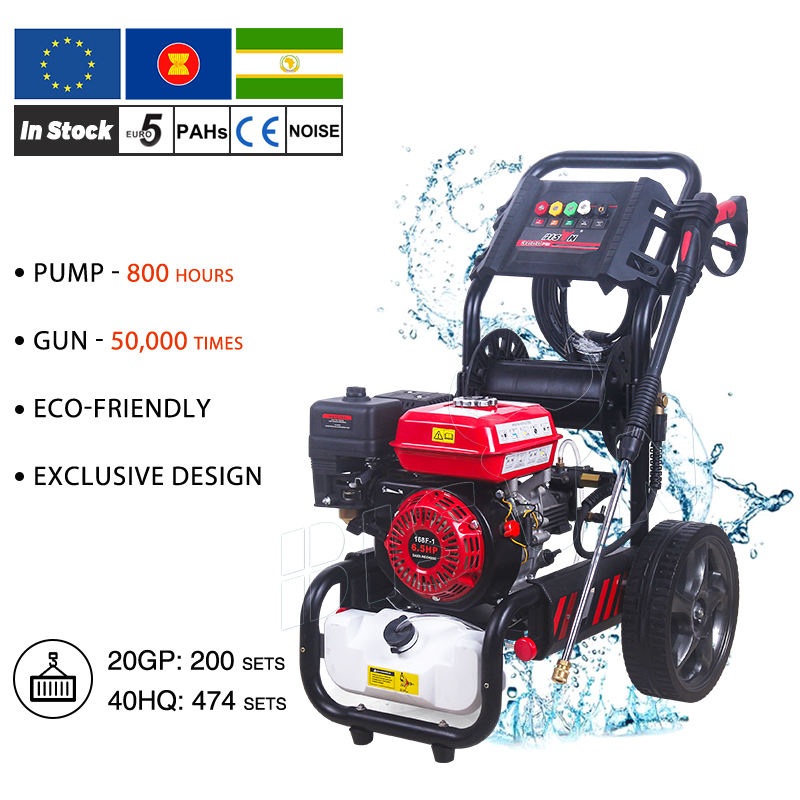
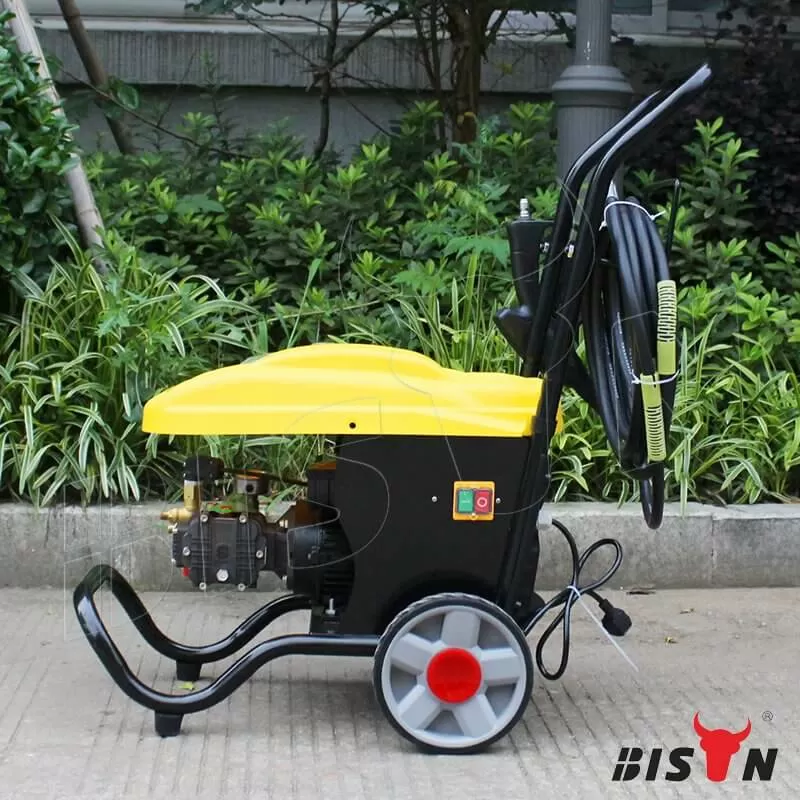
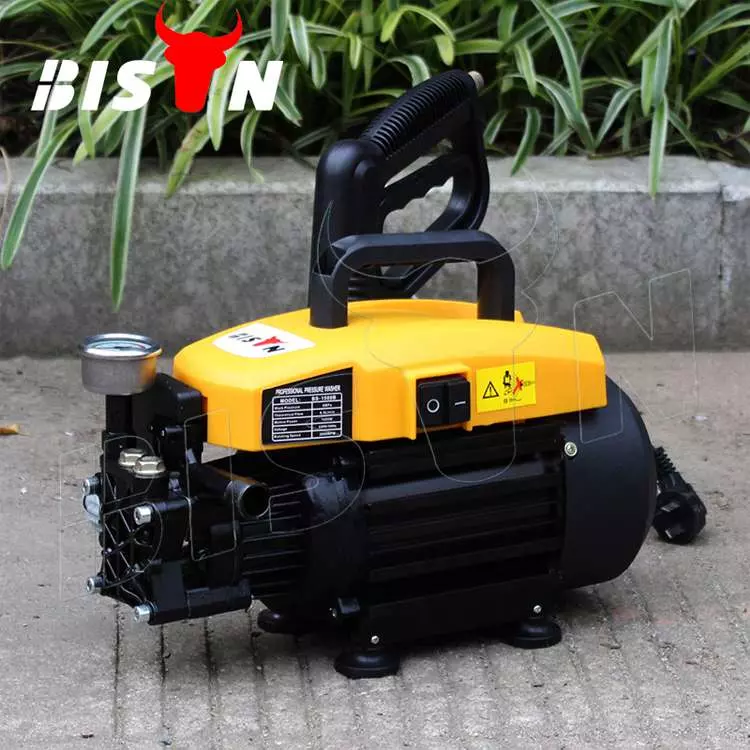
Portability and storage are key, especially if you move your pressure washer often or have limited space. Electric models are typically lighter and easier to store, while gas-powered ones are heavier but more powerful.
Lightweight models are perfect for small spaces and quick cleaning tasks.
Heavier models provide more power but can be harder to maneuver; look for versions with sturdy wheels and ergonomic handles to make transport easier.
When choosing, balance the need for mobility with the cleaning power required for your tasks.
Evaluate the noise level
Noise level matters, particularly in residential neighborhoods. Electric pressure washers are much quieter and better suited for areas where noise restrictions apply. Gas-powered models deliver stronger cleaning performance but generate more sound.
If you use your washer frequently or for long periods, consider models with noise-reducing features to make operation more comfortable.
Durability and build quality
A durable pressure washer ensures reliable performance and long service life. Look for machines made with high-quality materials such as stainless steel, brass fittings, or reinforced plastic. A well-built washer can withstand frequent use, handle tough cleaning jobs, and require fewer repairs over time.
Durability also extends to hoses, nozzles, and connectors — investing in a solid, well-constructed unit will pay off in long-term reliability and consistent cleaning results.
nozzles, attachments, and features
The nozzles and attachments that come with your pressure washer greatly influence its versatility and cleaning efficiency. Most models include several nozzle types, each designed to produce different spray patterns suited to specific cleaning tasks. Switching between these nozzles allows you to adjust the water pressure for safe and effective cleaning on various surfaces. Standard nozzle options include:
0° (red): delivers a concentrated, high-pressure stream for removing stubborn stains. Use carefully to avoid damaging surfaces.
15° (yellow): produces a strong, focused spray ideal for heavy-duty cleaning on hard surfaces like concrete or metal.
25° (green): offers a balanced spray for general cleaning tasks such as patios, siding, and decks.
40° (white): provides a wide, gentle spray perfect for delicate surfaces like cars, windows, and outdoor furniture.
Soap nozzle (black): used for applying detergent or cleaning solutions, making it easier to remove grease and grime.
Attachments can make cleaning faster, easier, and more efficient. Useful attachments to consider:
Surface cleaners: ideal for large flat areas such as driveways or patios, providing even coverage and preventing streaks.
Extension wands: help reach high or hard-to-access areas without using ladders.
Detergent tanks: allow easy application of soap or cleaning solutions for deep cleaning.
Hose reels: keep hoses neatly stored and prevent tangling.
When choosing a pressure washer, consider features that enhance convenience and performance. Additional features to look for:
Adjustable pressure settings: let you fine-tune the power for different surfaces.
Long hose length: increases reach and reduces the need to move the washer frequently.
Wheels and portability: large, durable wheels make it easy to transport heavier models across various terrains.
Compact design: simplifies storage and saves space when not in use.
By choosing the right nozzles, attachments, and features, you can make your pressure washer more versatile and efficient — ensuring professional-quality results with less effort.
Price and warranty
The cost of a residential pressure washer varies depending on its power, features, and brand. Setting a realistic budget helps you find the best value for your needs without overspending.
While entry-level electric models are great for light cleaning tasks like washing cars or patios.
mid-range options provide stronger PSI and added features such as detergent tanks and adjustable nozzles for more frequent use.
For maximum performance and durability, premium models — often high-end electric or gas-powered—offer professional-grade cleaning power and long-term reliability.
When comparing prices, consider overall value rather than just the initial cost. A slightly higher investment can mean better features, faster cleaning, and longer lifespan. Equally important, check the manufacturer’s warranty. Reliable warranty coverage safeguards your purchase against defects and gives you peace of mind, ensuring your washer remains a dependable part of your home cleaning routine for years to come.
Conclusion
Choosing the right pressure washer can completely transform your home cleaning routine. Throughout this guide, we’ve explored the main types of pressure washers—from convenient electric models to high-powered gas machines—and key factors to consider such as PSI, GPM, nozzles, accessories, portability, and budget. We’ve also covered how to match the right machine to your specific cleaning needs, whether light-duty for small tasks, medium-duty for regular use, or heavy-duty for demanding jobs.
A well-chosen pressure washer not only saves time and effort but also delivers a deeper, more efficient clean that keeps your home looking its best. As a professional pressure washer manufacturer in China, we encourage you to select a model that suits your needs and offers dependable performance and lasting value.