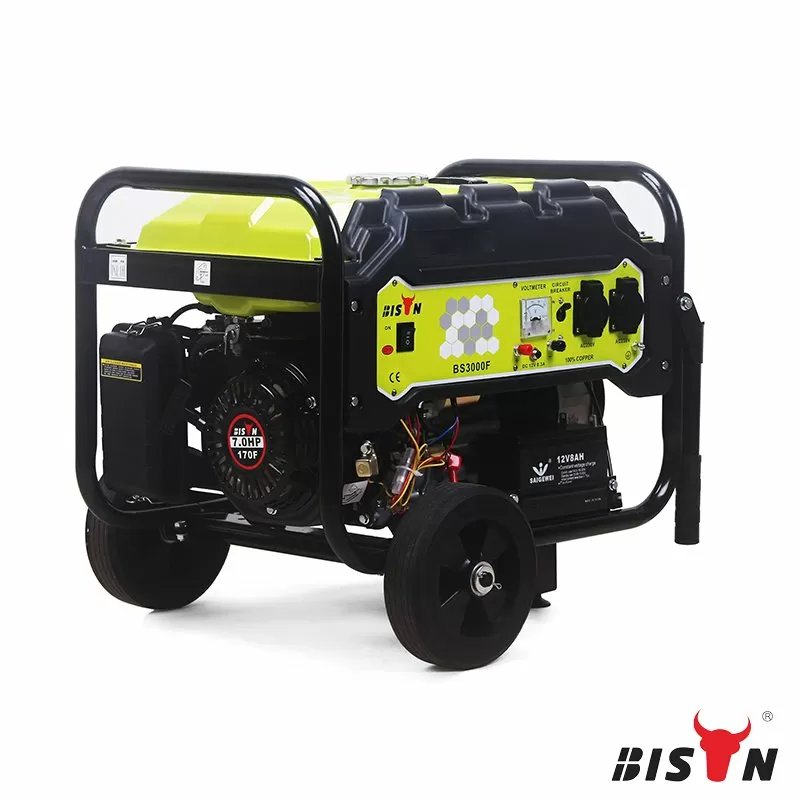
Single-phase generators are widely used for homes, small businesses, and light industrial applications. They produce electricity using a single alternating current (AC) wave, making them ideal for powering everyday appliances, tools, and equipment. Their simple design, affordability, and ease of operation make them a popular choice for residential backup power and smaller-scale needs. In contrast, three-phase generators are designed for heavy-duty applications, offering higher capacity and efficiency for large industrial and commercial operations.
In this guide, we’ll cover everything you need to know about single-phase generators — how they work, their key benefits, and how they compare to other types of generators. Whether you’re a homeowner seeking a reliable backup power source or a small business owner looking for an efficient solution, this article will help you decide if a single-phase generator is right for you.
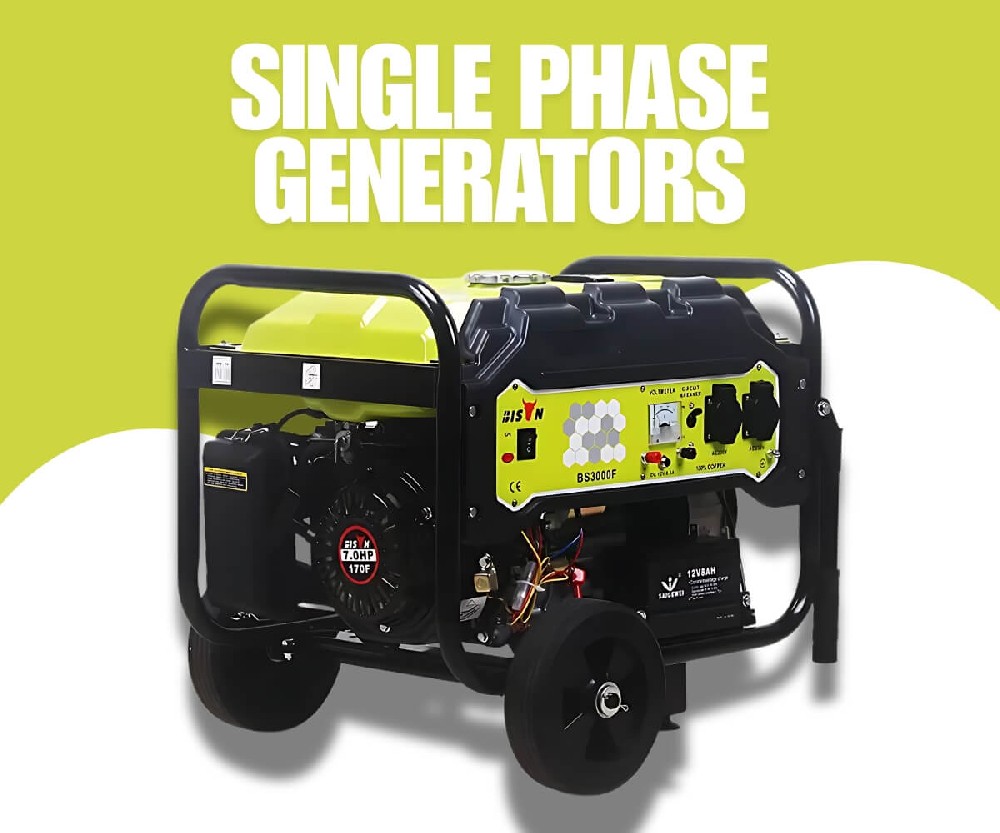
How single-phase generators work?
Single-phase generators operate on a simple but powerful principle: electromagnetic induction. In essence, when a conductor (like a coil of wire) moves through a magnetic field, it generates electricity.
A single-phase generator produces electricity when the engine (prime mover) turns the rotor, creating a moving magnetic field inside the stator. As this magnetic field sweeps across the armature windings, it induces an alternating current (ac) in the wires. This generates the single-phase electrical power used to run lights, appliances, and other essential equipment.
Single-phase generators produce electricity in a single wave of alternating voltage. This causes small fluctuations in power levels, which are usually imperceptible in typical use. Unlike three-phase generators, single-phase units operate from only one “line” of electricity, so power levels rise and fall with the ac cycle. However, the generator does not completely lose power at the lowest point, and most devices, such as lights, function without noticeable flickering.
Key components of a single-phase generator include:
Stator – the stationary part that houses the armature windings, where electricity is produced.
Rotor – the rotating part that creates a moving magnetic field inside the stator.
Field windings – coils on the rotor that generate the magnetic field needed for induction.
Armature windings – coils on the stator where electrical output is generated, typically made of copper within a laminated iron core.
Prime mover (engine) – gasoline, diesel, or gas engine that rotates the rotor.
Slip rings – metal rings on the rotor shaft that maintain continuous electrical contact with the rotating field windings.
Brushes – conductive components that press against the slip rings, allowing current to flow into the rotor and sustain the magnetic field.
Key characteristics of single-phase generators:
Relatively light load capacity
Two or more winding components
Less conductive windings compared to three-phase systems
Single-voltage output
More susceptible to voltage disturbances
Higher maintenance costs but lower initial purchase cost
Less efficient and less powerful than three-phase generators
Applications of single-phase generators
Single-phase generators are versatile and practical for a wide range of uses:
Residential use – they provide reliable backup power during outages, keeping essential appliances like refrigerators, lights, and medical devices running. They are best suited for low-power devices such as: Personal computers and laptops, Televisions, Individual lighting systems, Modems.
Construction sites – portable and easy to set up, single-phase generators power tools, lighting, and equipment, helping contractors and builders maintain productivity in areas without permanent electricity.
Small businesses – these generators keep operations running during outages, powering cash registers, computers, and essential equipment to prevent downtime.
Recreational and off-grid use – ideal for rvs, camping, and remote locations, single-phase generators provide electricity for cooking, lighting, and device charging, making off-grid living more convenient.
Single-phase generators are not recommended for heavy or essential systems like elevators, industrial equipment, hvac, or large electronic systems. These require higher-capacity three-phase power to operate reliably.
How to choose the right single-phase generator?
Choosing the right single-phase generator starts with understanding your needs. Consider the following factors:
Power requirements
List all the appliances or tools you plan to run simultaneously and add up their wattage. Remember that some equipment, like refrigerators or power tools, require extra starting watts. This ensures you select a generator with the right capacity without overloading it.
Fuel type and availability
Single-phase generators can run on gasoline, diesel, propane, or natural gas. Gasoline is easy to find but less ideal for long-term storage. Diesel offers better fuel efficiency and durability, while propane and natural gas are cleaner and great for stationary setups. Choose the fuel type that best fits your situation.
Types of single-phase generators
Brushless alternators – use electronic controls instead of brushes for lower maintenance, longer life, and reliable performance.
Brush-type generators – traditional design, more affordable, but require regular maintenance.
Permanent magnet generators – compact, efficient, and ideal for portable or low-power applications.
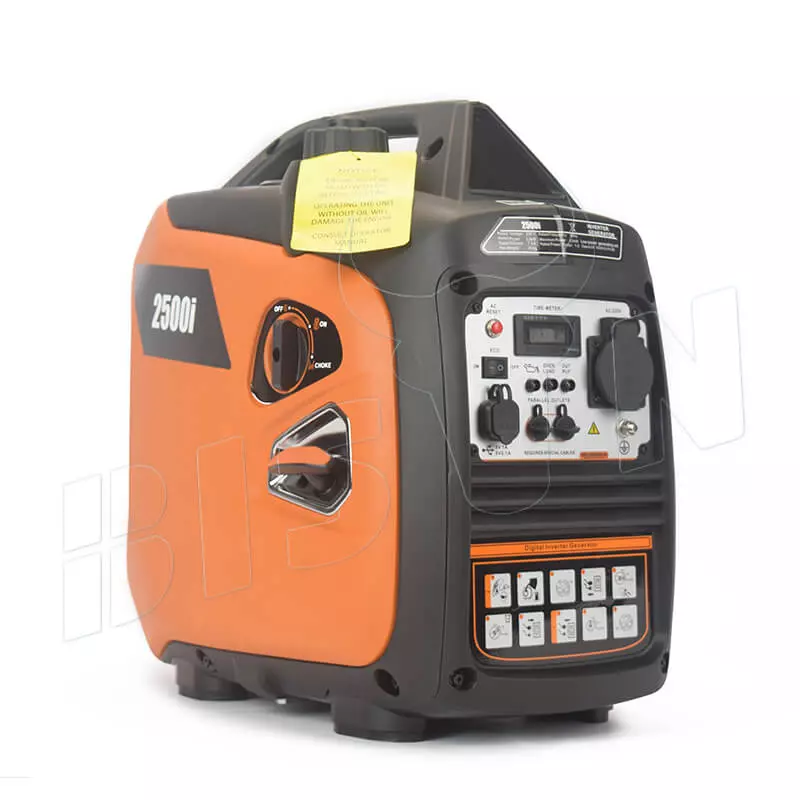
Inverter generators – produce clean, stable ac power, highly fuel-efficient, quiet, and safe for sensitive electronics.
Runtime and fuel efficiency
Look for a generator that can run long enough to meet your needs without constant refueling. If you expect extended outages or long hours of use, efficiency and fuel tank size become even more important.
Noise levels
If you’re using the generator at home, for camping, or in noise-sensitive areas, look for models with quieter operation, such as inverter generators.
Budget
Prices vary based on size, features, and quality. While it’s tempting to go for the cheapest option, consider reliability and long-term durability—especially for frequent or emergency use.
Portability needs
If you’ll be moving the generator between job sites, campsites, or around your property, choose a portable model with wheels and a manageable weight. For home backup power, a stationary generator may be the better choice.
By evaluating these factors, you can choose a single-phase generator that meets your power needs, fits your lifestyle, and offers reliable performance when you need it most.
Maintenance, safety, and troubleshooting for single-phase generators
Proper care is essential to keep your single-phase generator reliable and extend its lifespan.
Maintenance tips:
Change the oil regularly – follow the manufacturer’s schedule to keep the engine running smoothly.
Clean or replace air filters – prevents engine strain and maintains efficiency.
Use fresh, properly stored fuel – stale fuel can cause starting issues and damage components.
Follow a maintenance schedule – check spark plugs, battery condition (if applicable), and overall wear to ensure readiness.
Safety guidelines:
Ensure proper ventilation – always operate outdoors or in a well-ventilated area to prevent carbon monoxide buildup.
Operate in dry conditions – keep away from rain, snow, and standing water to reduce electrocution risks.
Refuel safely – turn off and cool the generator before adding fuel to avoid fire hazards.
Use a transfer switch for stationary units – safely connects the generator to your home’s electrical system and prevents backfeeding.
Troubleshooting common issues:
Won’t start? – check fuel, spark plug, and battery (for electric start). Replace stale fuel if needed.
Low power output? – clean air filter, check load, and ensure the generator isn’t overloaded.
Frequent shutdowns? – inspect oil levels, filters, and overheating issues.
Winterization & storage:
Drain fuel or use a stabilizer for long-term storage.
Store in a dry, protected area and run briefly every few months to keep parts lubricated.
Following these steps ensures your generator stays safe, reliable, and ready to provide power whenever you need it. Proper care today means fewer breakdowns and smoother operation in the long run.
Conclusion
Single-phase generators provide a reliable and practical solution for delivering electricity wherever it’s needed. With options ranging from brushless alternators and permanent magnet generators to inverter models, they can meet a wide variety of power needs.
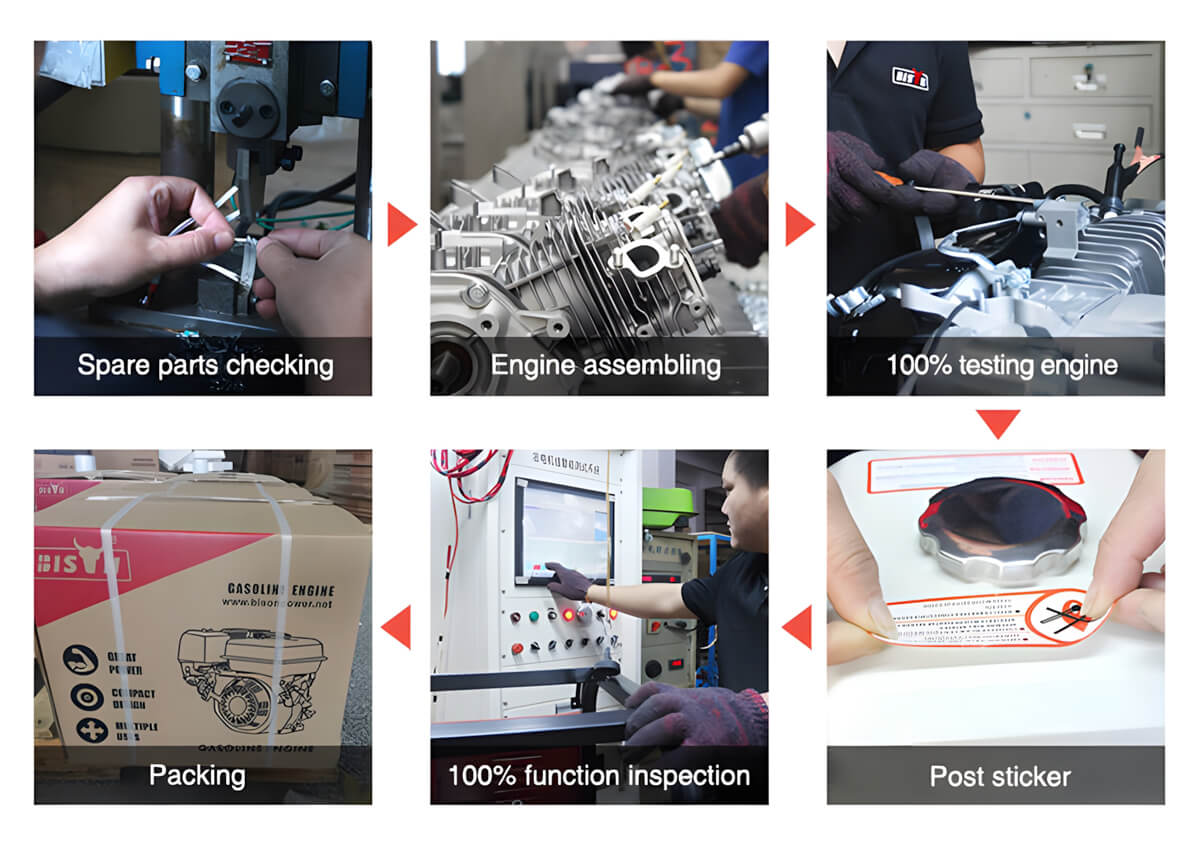
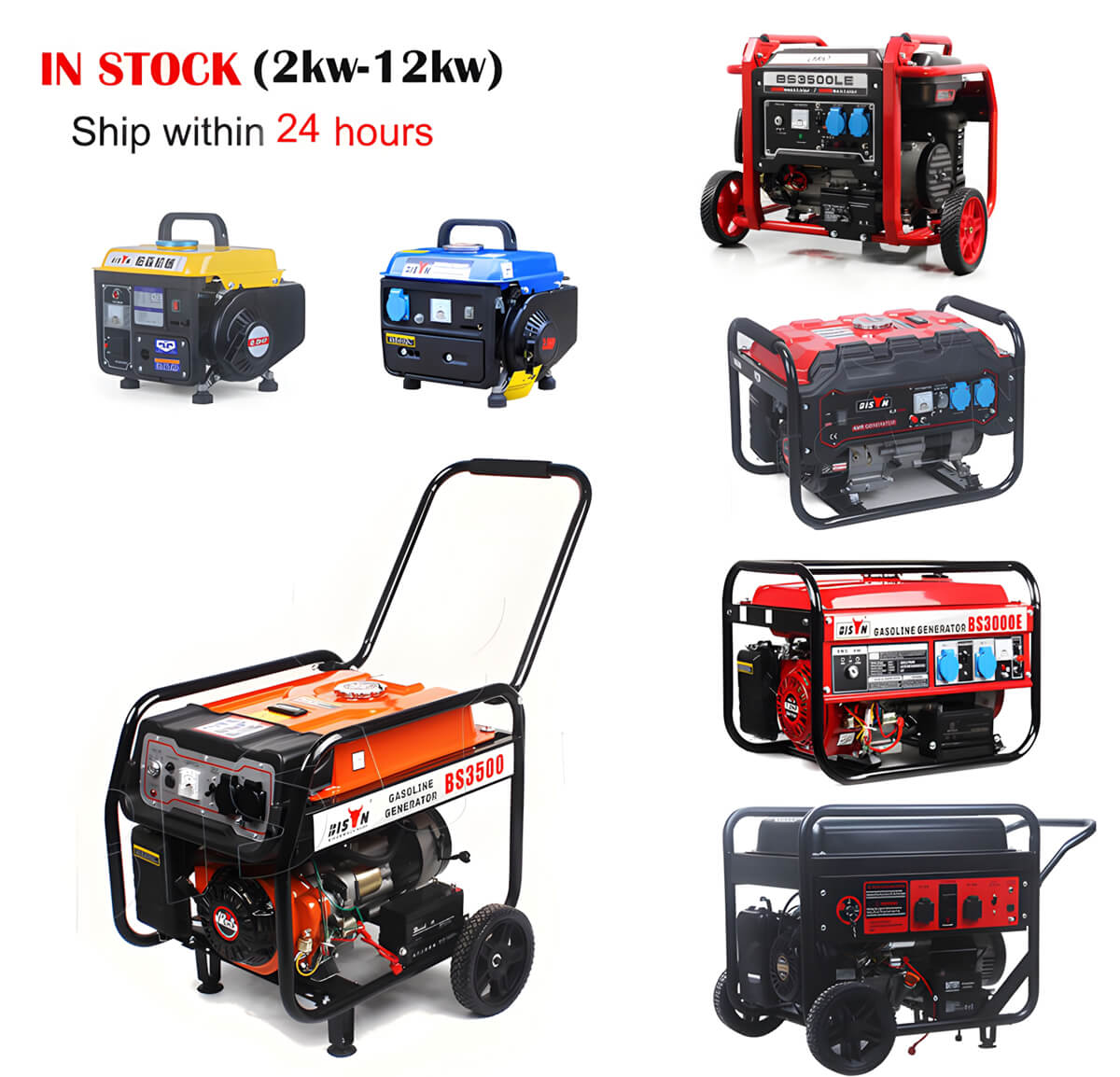
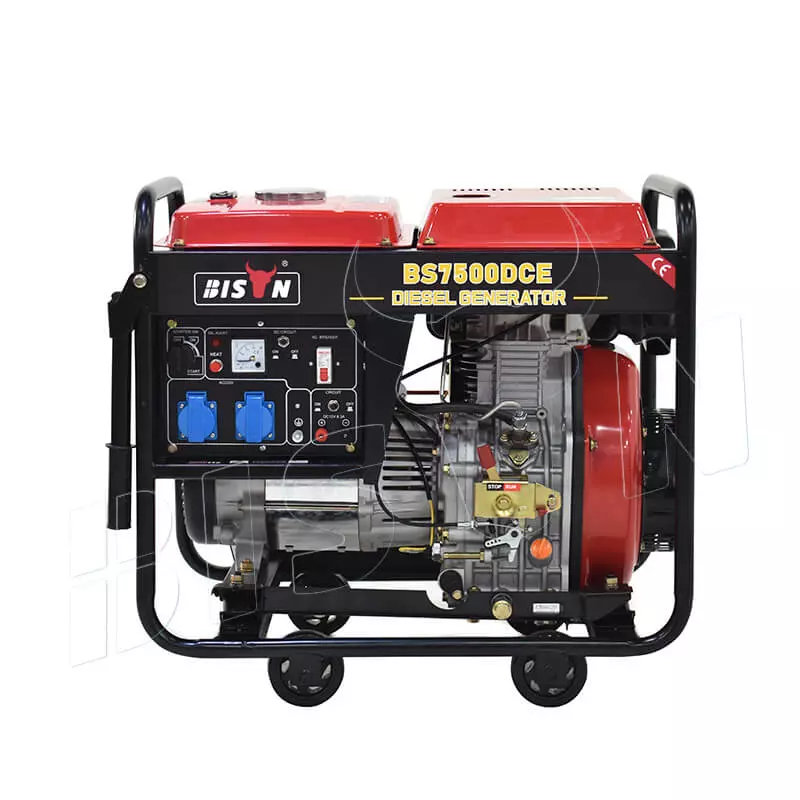
When selecting a generator, consider factors like power requirements, fuel type, runtime, noise levels, portability, and budget. BISON generators are powerful, practical, and easy to transport, engineered to operate in harsh environments while delivering the power specified in the technical tables.
As a professional generator manufacturer in China, we prioritize reliability, durability, and expert support. Explore our range of high-quality single-phase generators and experience dependable power you can trust whenever you need it most.