A generator converts mechanical energy into electrical energy. Whether powered by a crank, turbine, or engine, it transforms motion into usable electricity—powering homes, businesses, and industries around the world.
A 3-phase generator produces three separate electrical outputs that flow in a synchronized, rotating pattern. Each phase is offset by one-third of an electrical cycle, creating a smoother and more efficient power supply compared to the single-phase power typically used in homes.
In this article, BISON will explain how 3-phase generators work, including their key components and operating principles. We’ll also cover common applications—from construction sites and factories to data centers and commercial buildings. By the end, you’ll see why 3-phase generators are widely preferred for industrial and commercial power needs.
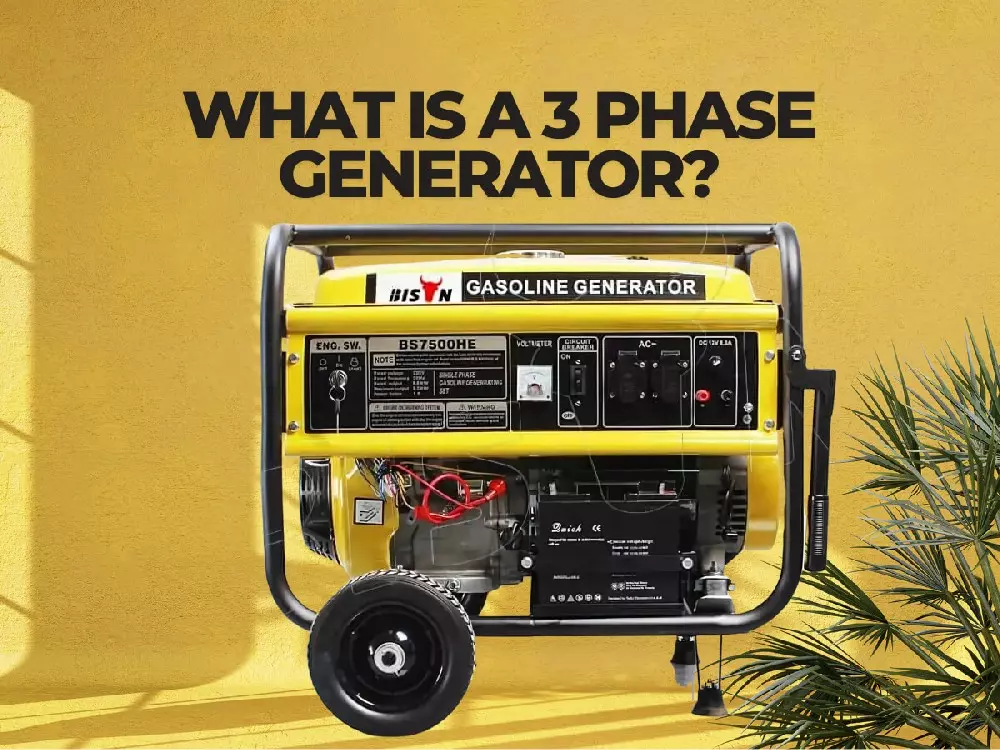
How does a 3-phase electric generator work?
A 3-phase electric generator works by producing three separate waves of alternating current (AC) that are evenly spaced in phase. This setup delivers a steady and efficient flow of electricity, making it ideal for powering heavy-duty equipment and industrial applications.
The process starts with a generator converting mechanical energy into electrical energy using electromagnetic induction. Inside the generator, a rotating magnetic field passes through coils of wire, creating electrical current. A 3-phase generator has two main components:
Rotor – The rotating part that contains magnets or electromagnets. It creates a magnetic field and is powered by an engine or other mechanical source.
Stator – The stationary part that surrounds the rotor. It contains three sets of wire windings spaced 120° apart.
As the rotor spins inside the stator, its magnetic field cuts through the windings. This induces voltage in each set of coils, creating three separate AC outputs. Because the coils are offset by 120°, the resulting waveforms are out of phase with each other but synchronized—producing 3-phase power.
This type of electricity is more efficient and consistent than single-phase power, making it suitable for large machines, diesel generators, and commercial or industrial systems.
3-phase generator connection types
A 3-phase generator can be connected in two main ways: wye (star) and delta. Each configuration has unique voltage and current characteristics suited for different applications. Wye connections are commonly used for power distribution, while delta connections are preferred for industrial motors and high-power equipment.
Wye (star) connection
In a wye connection, one end of each stator winding is connected to a common neutral point, forming a "Y" shape.
Provides two voltage levels: line-to-neutral (lower) and line-to-line (higher).
Suitable for long-distance transmission and balanced loads.
Common in systems that require both high-voltage transmission and low-voltage usage.
Frequently used in stator coil configurations.
Delta connection
In a delta connection, the stator winding ends are connected in a closed loop, forming a triangular (Δ) shape.
Delivers only line-to-line voltage with no neutral wire.
Offers strong motor performance and is ideal for high-power applications.
Typically used in industrial systems where balanced three-phase loads are required.
Advantages and disadvantages of 3-phase generators
A 3-phase generator offers significant advantages over a single-phase generator, making it the preferred choice for industrial, commercial, and heavy-duty applications:
Advantages
Greater power output: A 3-phase generator produces about 1.5 times more power than a single-phase unit of the same size. By using three alternating currents instead of one, it handles heavier loads without increasing the machine's size or weight.
Stable and continuous power supply: Thanks to evenly spaced electrical phases, 3-phase generators deliver a smooth, uninterrupted power flow. This consistency reduces voltage drops and is ideal for powering sensitive or high-demand equipment.
High transmission efficiency: These generators transmit power over long distances with minimal loss and lower heat buildup, making them suitable for large facilities and remote job sites.
Direct start for 3-phase motors: 3-phase power naturally generates a rotating magnetic field, allowing motors to start without additional components like capacitors. This is especially beneficial for industries using large machinery.
Ideal for industrial equipment: 3-phase generators are well-suited for running pumps, compressors, and other demanding equipment, improving operational efficiency and minimizing downtime.
Disadvantages
Higher initial cost: 3-phase generators typically cost more upfront than single-phase models.
More complex maintenance: With more components, repairs and servicing may be more involved.
Higher noise levels: They tend to be louder, making them less ideal for residential environments.
How do you choose the correct 3-phase power generator?
Choosing the right 3-phase generator begins with determining your power requirements. The higher the output, the more equipment, and operations it can support simultaneously. Keep in mind that a higher voltage generator will typically cost more.
Common voltage options for 3-phase generators:
120/208V
208V
277/480V
240V
416V
600V
Most 3-phase generators output 120/208V or 277/480V, suitable for a broad range of applications. Some can be configured as 120/240V, though higher voltages are typically preferred for industrial use. Even portable 3-phase generators generally offer a power factor of 0.8, making them efficient for heavy operations and adaptable for single-phase use when needed. Many models also feature configurable outlets to match job-specific needs.
Types of 3-phase generators
3-phase generators vary by fuel type and size, allowing you to select a model based on power demand, fuel availability, and application.
1. Fuel types
Each fuel type offers unique benefits:
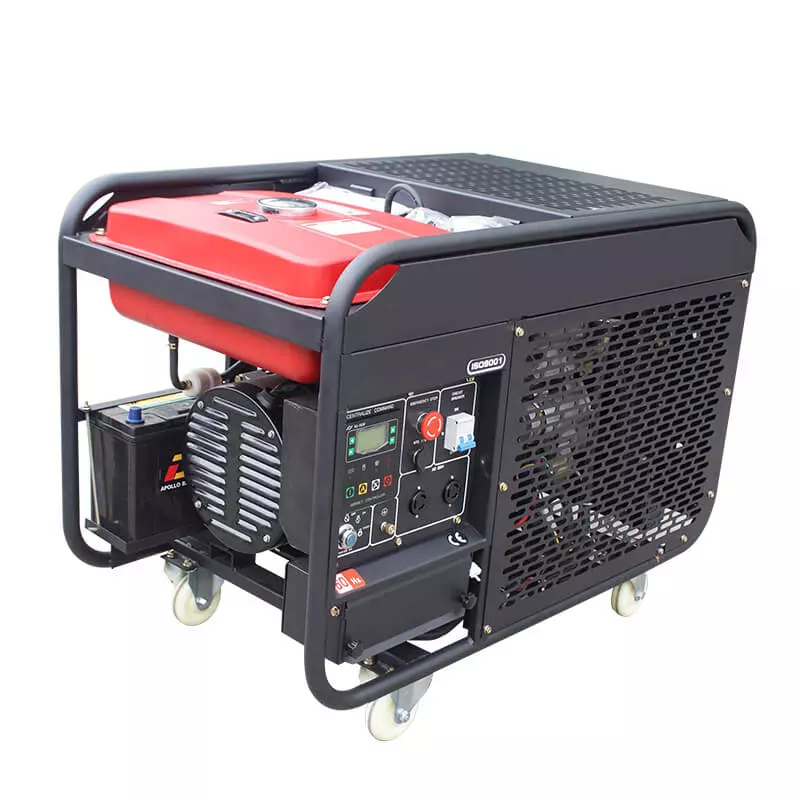
Diesel generators: Durable, fuel-efficient, and long-lasting. Ideal for industrial and commercial use where continuous, reliable power is essential. Popular in hospitals, factories, and mission-critical applications.
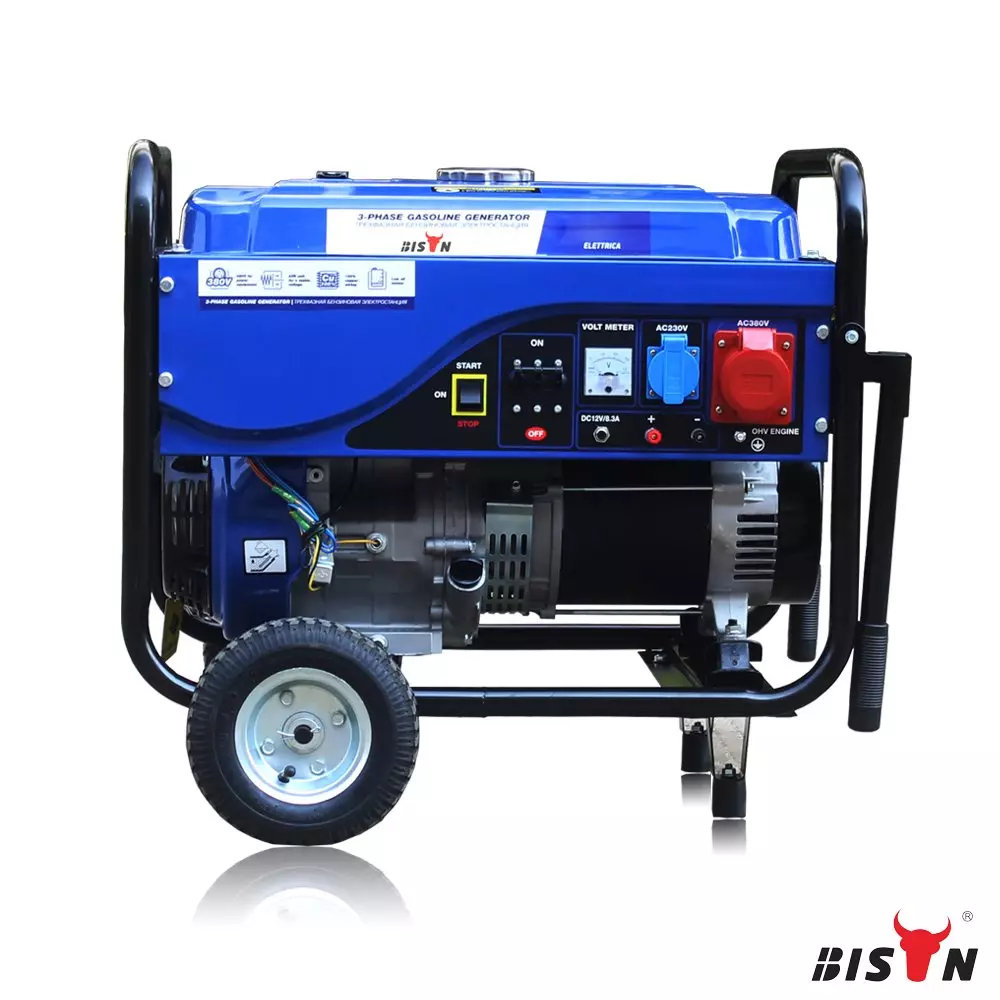
Gasoline generators: Typically, smaller and portable, suitable for temporary or remote job sites. However, they consume more fuel and require more maintenance.
Natural gas generators: Connected directly to a gas supply, offering continuous fuel, lower emissions, and clean operation. Suitable for standby power in commercial facilities.
Propane (LPG) generators: Clean burning, with a long shelf life. Ideal for backup power, especially in areas where other fuels are hard to access.
2. Size options
Industrial generators: Large, high-capacity units designed for factories, hospitals, and construction sites. These are usually stationary and serve as either primary or backup power sources.
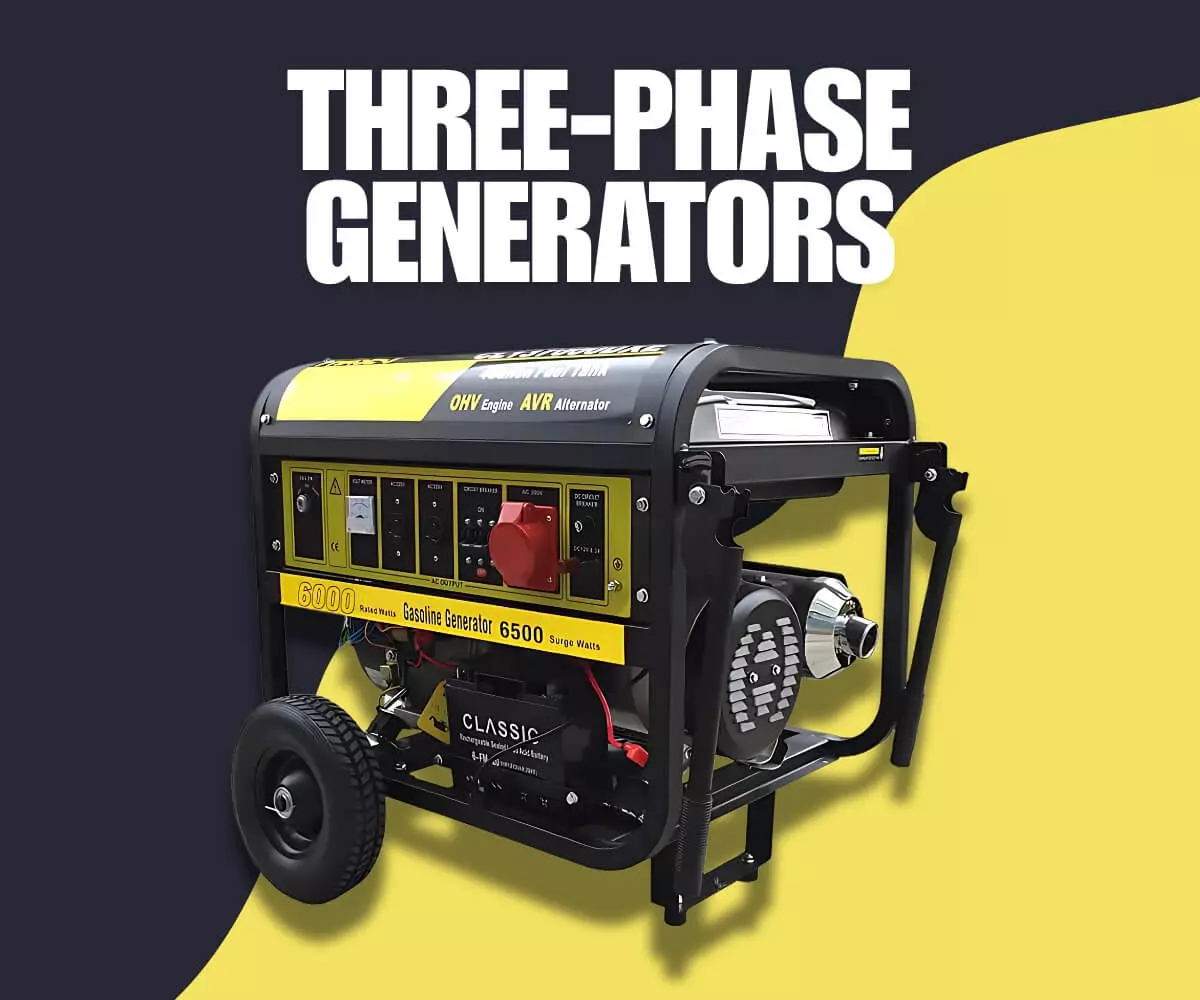
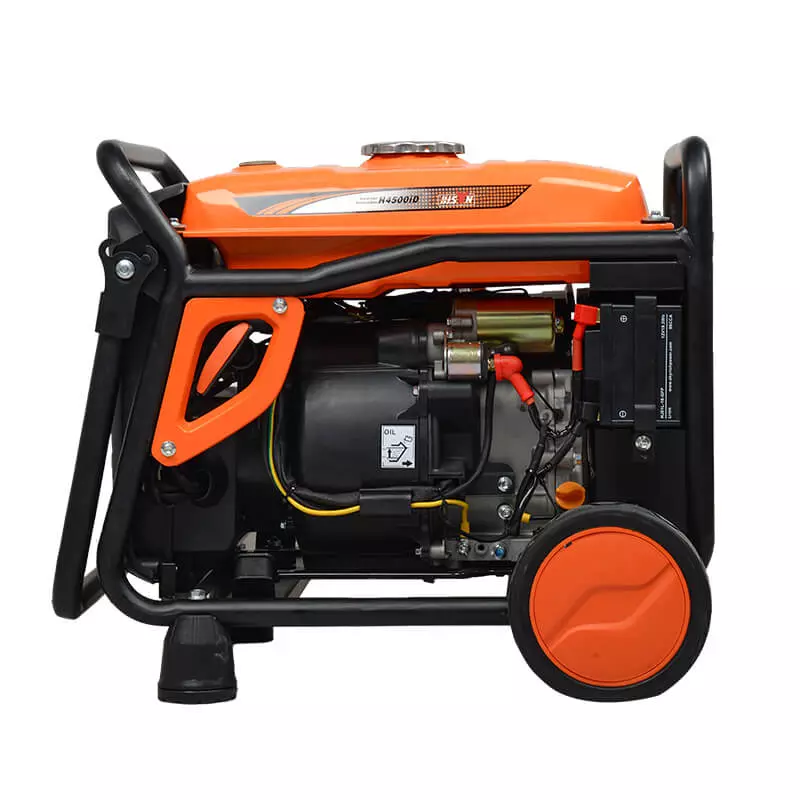
Portable generators: Compact, mobile units suited for temporary worksites, outdoor applications, and home backup. They deliver the benefits of 3-phase power in a more flexible form.
By understanding your voltage requirements, application, and preferred fuel type, you can choose the 3-phase generator that delivers efficient, dependable power where and when it’s needed most.
Conclusion
3-phase generators are a reliable and efficient solution for businesses and industries that need stable, high-capacity power. With their ability to handle large loads and distribute power evenly, they are essential for critical operations in sectors like manufacturing, construction, and healthcare.
Their versatility—ranging from portable units to large industrial models—allows them to meet a wide variety of power requirements. Whether for continuous operation or backup use, 3-phase generators offer unmatched performance compared to single-phase options.
Before purchasing, it’s important to assess your specific power needs and application environment. For dependable power solutions, explore our range of 3-phase generators from a trusted manufacturer.