Is a gas or battery trimmer better?
2026-03-05
Table of content
An lawn filled with thick grass and stubborn weeds can be frustrating to manage, and choosing the right trimmer makes a big difference. Today, the most common options are gas-powered and battery-powered trimmers. As garden power tools continue to evolve, homeowners, gardeners, and professional landscapers often face this choice. Each type offers distinct advantages, and the best option depends on yard size, workload, and preferences for noise, maintenance, and ease of use.
Gas trimmers are known for their strong cutting power and long runtime. They perform well in large yards and demanding conditions, handling thick grass and heavy weeds with ease. Because of their durability and endurance, they are often favored by professionals and users with extensive trimming needs. Battery-powered trimmers, powered by modern lithium-ion technology, focus on convenience. They are lighter, quieter, and easier to operate, making them ideal for small to medium yards and quick maintenance tasks.
In simple terms, gas trimmers excel at heavy-duty work and long sessions, while battery trimmers offer comfort, low noise, and minimal maintenance.
In this article, BISON, a professional trimmer manufacturer in China, will compare the advantages and disadvantages of gas and battery trimmers to help you select the right solution for your lawn.
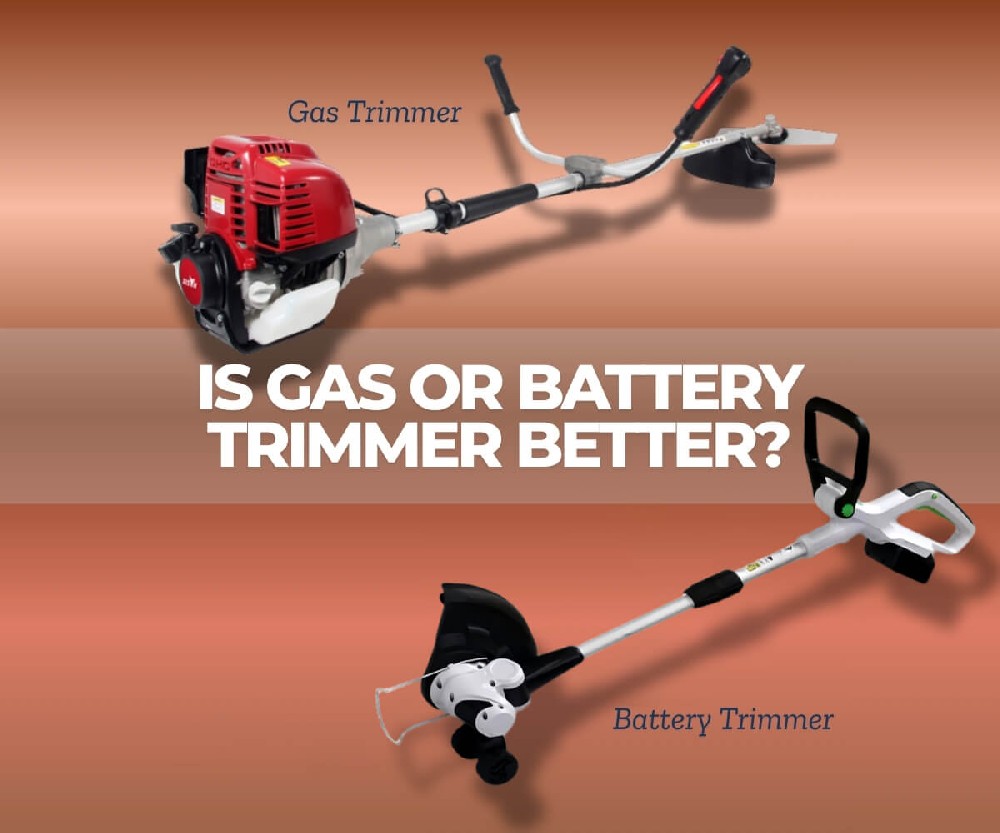
Understanding gas and battery trimmers
Gas and battery trimmers differ not only in how they are powered, but also in performance, maintenance needs, weight, noise level, and overall user experience. Each type is designed to serve different users and lawn conditions. Understanding how they work and what they require helps you choose the option that best suits your yard and trimming needs.
What are gas trimmers?
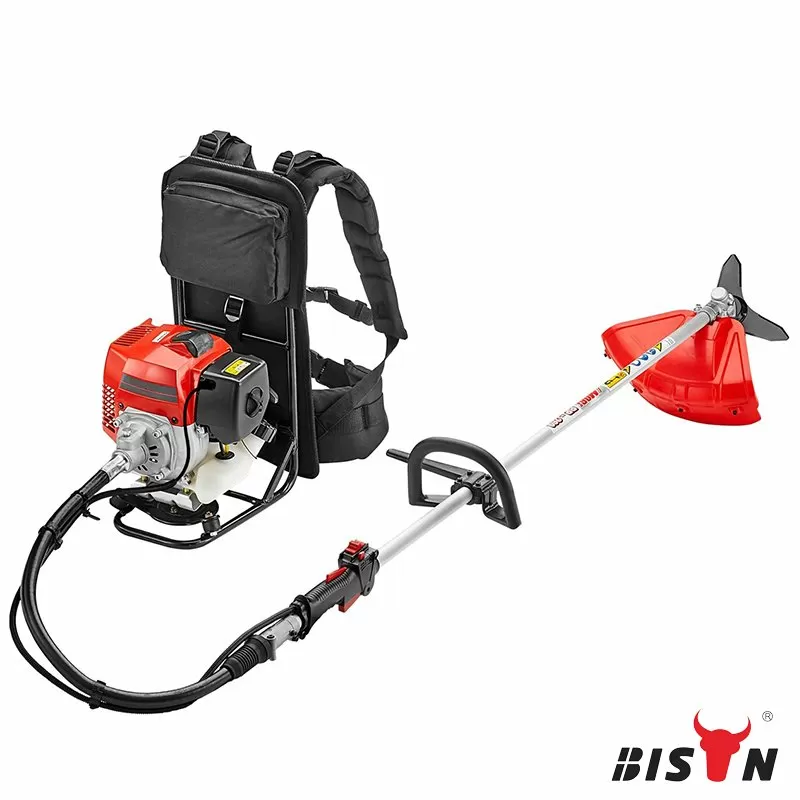
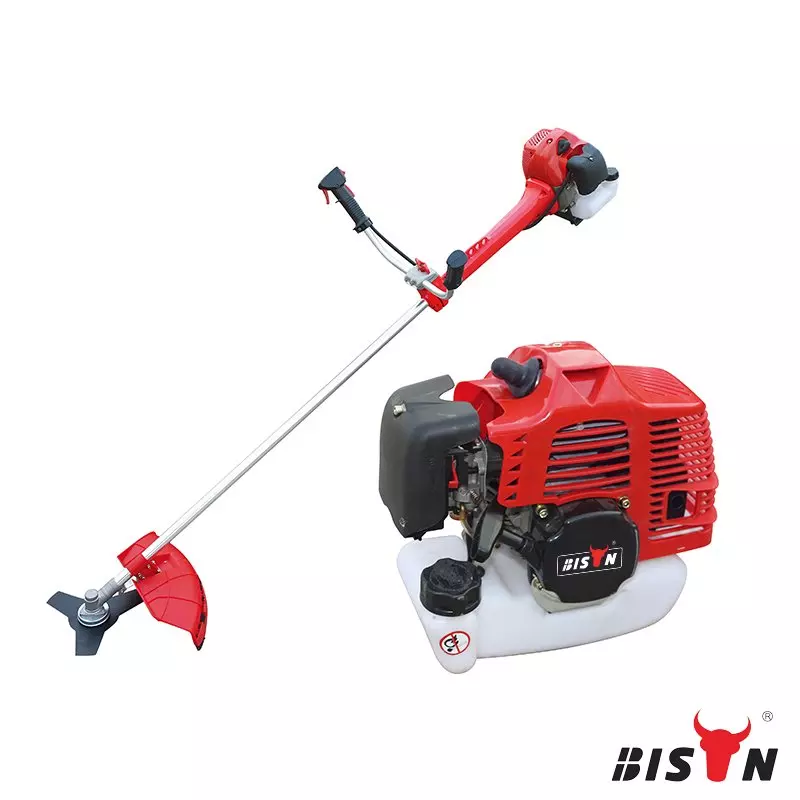
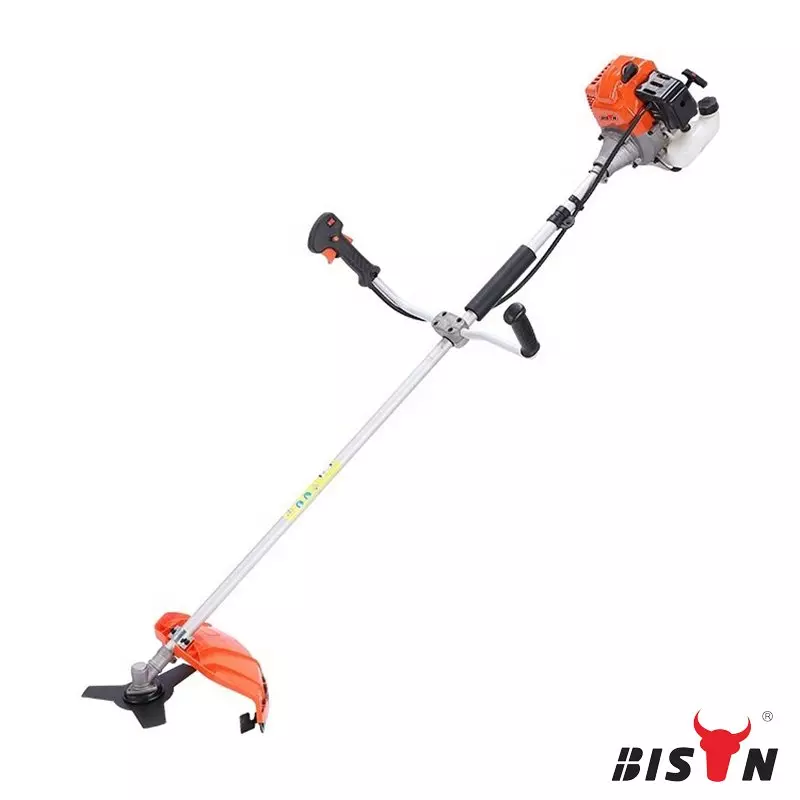
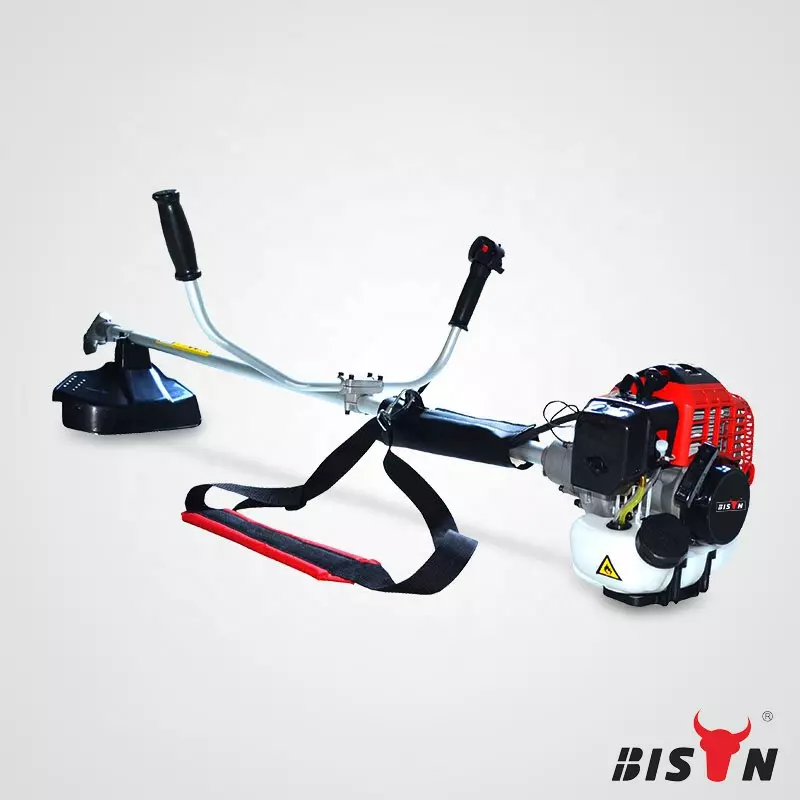
Gas trimmers are powered by 2-stroke or 4-stroke gasoline engines and have long been a staple for professional landscapers. Their combustion engines generate high torque, allowing them to cut through thick grass, dense weeds, and overgrown vegetation with ease. This strong cutting ability makes gas trimmers well suited for large properties and demanding trimming tasks.
Most gas trimmers use a pull-start system and can operate continuously as long as fuel is available, eliminating downtime caused by battery charging. Although they are heavier than battery models, their rugged construction and powerful engines are built for long-term, intensive use.
However, gas trimmers require regular maintenance. Users must manage fuel, check spark plugs, clean air filters, and handle routine servicing. They also produce more noise and exhaust emissions. Despite these drawbacks, their power, endurance, and reliability make them a preferred choice for heavy-duty applications.
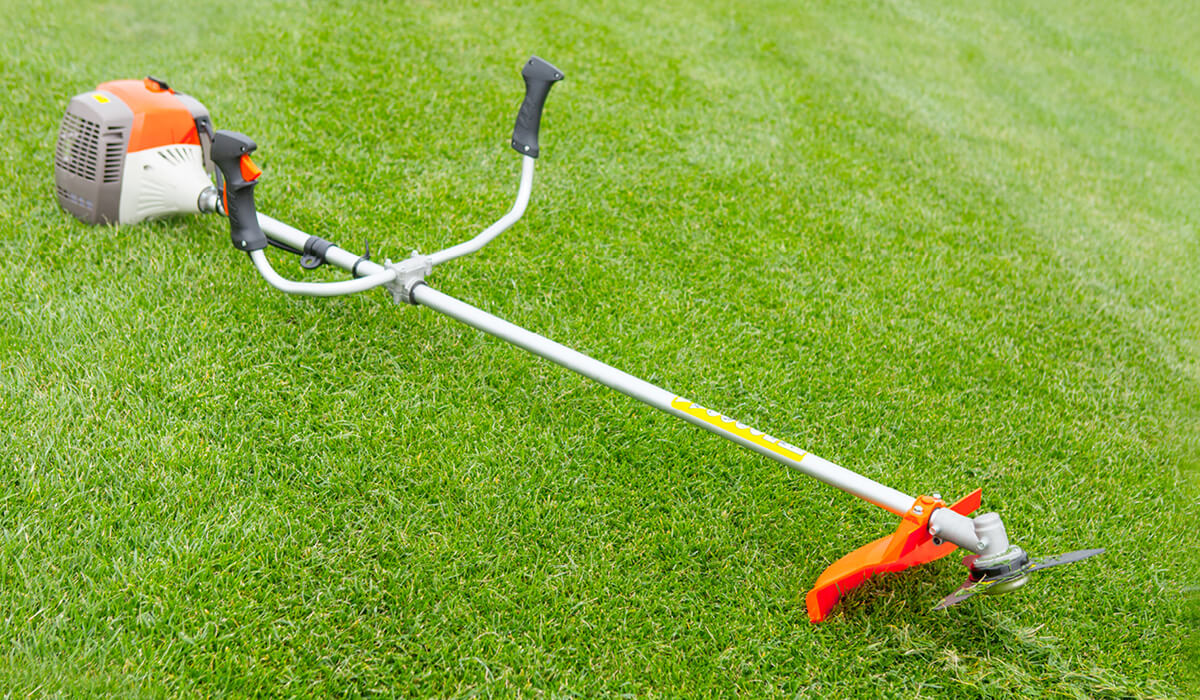
What are battery (cordless) trimmers?
Battery trimmers use rechargeable lithium-ion batteries to power electric motors, often brushless for improved efficiency and durability. Advances in battery technology have significantly improved their performance, making them a practical option for everyday lawn care. These trimmers start instantly with a trigger, operate quietly, and require minimal maintenance.
Cordless trimmers are lightweight and easy to handle, which reduces user fatigue and improves control. Many models offer adjustable speed settings, allowing users to balance power and runtime based on trimming conditions. They are especially popular with homeowners who want a clean, low-vibration tool for small to medium yards.
The main limitation of battery trimmers is runtime. Most batteries provide around 30 to 60 minutes of operation per charge, depending on grass thickness and power settings. For larger yards, having a spare charged battery can help extend working time without interruption.
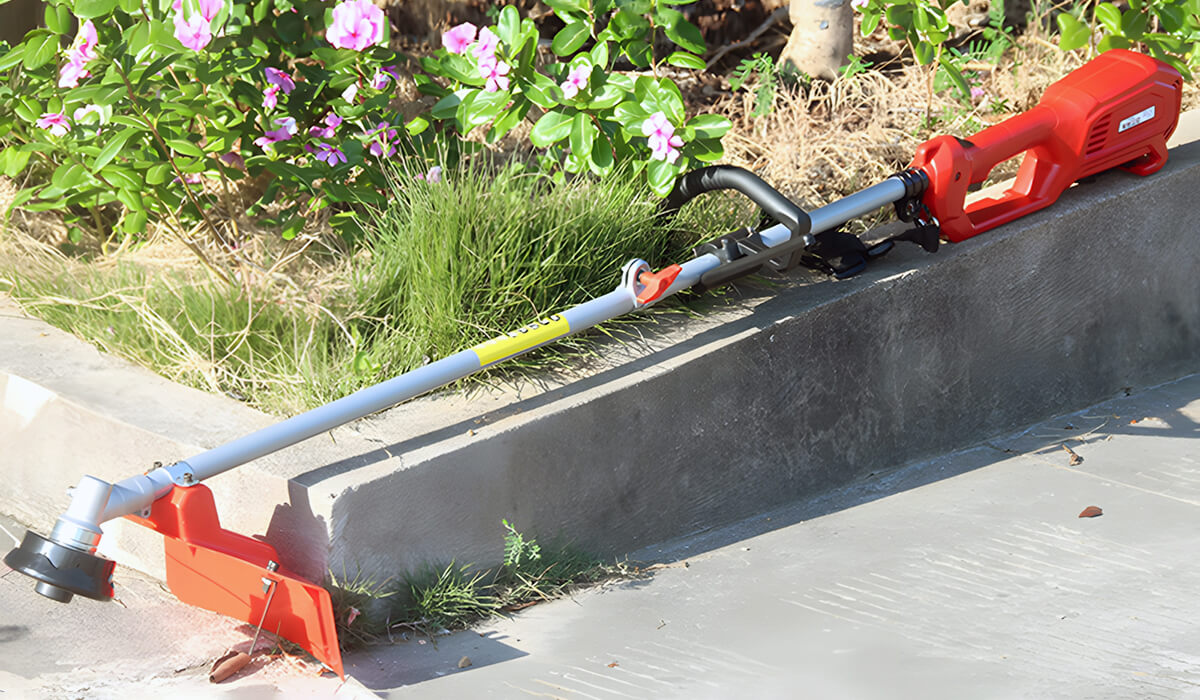
Comparison criteria
When choosing between a gas trimmer and a battery trimmer, it helps to look at key factors. Here's a simple breakdown:
| Criteria | Gas trimmer | Battery trimmer |
|---|---|---|
| Cutting power | High torque, maintains speed in thick grass and brush; ideal for heavy-duty work | Strong for regular grass and moderate weeds; may slow in dense or woody growth |
| Runtime | Unlimited with fuel; suited for long jobs and large areas | 30–60 min per charge; extra batteries extend use but require recharge time |
| Throttle & control | Fast throttle response; consistent under load | Smooth acceleration; brushless motors provide instant torque but slightly less aggressive |
| Upfront cost | Moderate to high, especially professional models | Moderate to high if including battery & charger |
| Operating cost | Ongoing fuel, oil, spark plug, filter maintenance | Low electricity cost; battery replacement over time |
| Noise & emissions | Loud; produces exhaust fumes | Quiet; zero emissions during operation |
| Weight & comfort | Heavier; more vibration and fatigue | Lighter; lower vibration, more comfortable |
| Starting & ease of use | Pull-start; may require multiple attempts | Instant push-button start |
| Maintenance | Regular engine servicing required | Minimal upkeep; mainly cleaning & battery care |
| Durability | Built for heavy-duty use; long lifespan with maintenance | Motor durable; battery degrades but replaceable |
| Mobility | NO cord or battery limit; heavier to maneuver | Cordless, lightweight; limited by battery capacity |
| Best use case | Commercial, frequent, large or overgrown areas | Homeowners, small to medium yards, convenience-focused users |
Performance comparison
Performance is one of the most influential factors when deciding between gas and battery trimmers. From power draw to runtime and consistency, each type provides a different experience that affects trimming efficiency.
Cutting power and torque
Gas trimmers provide high torque due to their combustion engines, allowing them to maintain cutting speed through thick grass, heavy brush, or overgrown areas. Landscapers often rely on gas models because their engines don't stall as easily under heavy loads.
Battery trimmers have narrowed the performance gap with advances in brushless motor technology. While effective for everyday grass and moderate weeds, very thick or woody plants can challenge them. As the battery charge decreases, some models may experience a slight drop in speed or power.
Runtime and endurance
Gas trimmers excel in runtime. As long as fuel is available, they can operate continuously, making them ideal for long workdays, large properties, or commercial use.
Battery trimmers have a limited operating window based on battery capacity, typically 30 to 60 minutes per charge. Higher-capacity batteries or extra batteries can extend runtime, but recharging takes time, which may interrupt work.
Throttle response and control
Gas engines provide faster throttle response, which is important when adjusting cutting speeds in areas with varying plant densities.
Battery trimmers offer smooth, controlled acceleration but may react slower to tougher weeds. Modern brushless models, however, are closing the gap with instant torque and digital speed control.
Cost considerations
When deciding between a gas trimmer and a battery trimmer, both upfront and long-term costs are important to evaluate.
Upfront purchase price
Gas trimmers: generally cost more initially due to powerful engines and durable construction. Professional-grade models are pricier because of their sturdiness, while entry-level units are more affordable but still comparable to premium battery trimmers.
Battery trimmers: can be expensive at first, especially if extra batteries are needed for longer runtimes. Prices vary by battery size, brand, and motor type. Kits that include a battery and charger cost more upfront but save money over time by eliminating fuel purchases.
Long-term costs
Gas trimmers: require fuel and regular maintenance such as spark plug checks, air filter cleaning, and occasional parts replacement. Recurring costs include gasoline, 2-stroke engine oil, air filters, spark plugs, and carburetor servicing. Frequent use can make these costs significant.
Battery trimmers: electricity costs for charging are minimal, and maintenance is low. Battery replacement every few years is the main additional expense, making overall operating costs generally more affordable in the long run.
At BISON, we provide both gas and battery trimmers designed to balance performance and cost for your needs. Gas trimmers are better suited for frequent trimming or large, overgrown areas because they handle heavy-duty tasks without stopping. Battery trimmers are ideal for smaller yards or occasional use, offering convenience, quiet operation, and lower operating costs. Choosing the right model can save time, effort, and money while keeping your lawn looking its best.
Environmental impact
The environmental impact of a trimmer is an important consideration, especially for those seeking a more sustainable approach to lawn care. Air quality, noise levels, and energy consumption vary significantly between gas and battery models.
Gas trimmers
Emissions: burning gasoline produces exhaust fumes that contribute to air pollution and greenhouse gases.
Noise pollution: gas trimmers are loud, often requiring hearing protection and potentially disturbing neighbors or wildlife. Some communities restrict their use during certain hours.
Resource use: gasoline is a non-renewable resource, and frequent fuel consumption increases environmental impact.
Battery (cordless electric) trimmers
Electricity use: battery trimmers produce zero emissions during operation, especially when charged with renewable energy sources.
Noise: quieter operation reduces disturbance to neighbors and garden wildlife, making them suitable for early-morning or late-evening work.
Battery disposal: proper recycling or disposal of used batteries is essential to prevent environmental harm.
At BISON, we offer both gas and battery trimmers designed for high efficiency and durability, allowing you to balance performance with environmental responsibility while keeping your lawn well-maintained.
User experience and convenience
How a trimmer feels to use can be just as important as power or cost. Here's a comparison of gas and battery trimmers in terms of ease of use and comfort:
Starting mechanism
Gas trimmers: typically start with a pull cord, which can be tricky for beginners or physically challenging for some users. Starting may require several attempts depending on engine condition, temperature, or fuel quality.
Battery trimmers: start instantly with a push-button or trigger, eliminating the hassle of pull cords, choke settings, or priming. This makes them ideal for quick tasks and easy operation by anyone.
Portability
Gas trimmers: heavier due to the engine and fuel tank, which can cause fatigue during long sessions. Shoulder straps or handles help, but professional models remain bulky.
Battery trimmers: lighter and easier to maneuver, making them suitable for small yards, quick jobs, or users with limited strength. Reduced weight and balance improve comfort during extended use.
Storage
Gas trimmers: require more space and careful handling to prevent fuel leaks and engine damage.
Battery trimmers: compact and easier to store with no fuel concerns.
Ergonomics and user fatigue
Gas trimmers: vibration and weight can lead to fatigue during long trimming sessions.
Battery trimmers: lower vibration and lighter weight reduce strain, improving comfort for extended use.
Overall convenience
Battery trimmers excel in simplicity, portability, and storage, making them ideal for homeowners who prioritize comfort and ease of use. Gas trimmers deliver more power but require greater effort and care to operate effectively.
Maintenance requirements
Understanding maintenance needs is key to avoiding performance issues and long-term repairs. Gas and battery trimmers differ significantly in upkeep.
Gas trimmer maintenance
Gas trimmers require regular attention due to their mechanical complexity. Essential tasks include:
Mixing oil and gasoline for 2-stroke engines
Cleaning or replacing air filters
Replacing spark plugs
Inspecting and cleaning the carburetor
Lubricating moving parts
Draining fuel during seasonal storage
Neglecting maintenance can lead to power loss, difficult starting, or costly repairs. Using clean, fresh fuel is also critical to protect the carburetor and engine.
Battery trimmer maintenance
Battery trimmers require minimal maintenance, focused on cleaning and battery care:
Cleaning the trimmer head and shaft
Storing batteries at moderate temperatures
Charging batteries periodically to preserve life
Checking for debris around the motor housing
Replacing worn trimmer lines
With no fuel, oil, or carburetor, battery trimmers are easy and inexpensive to maintain, making them convenient for low-maintenance users.
Durability and lifespan
A trimmer's longevity depends on build quality, maintenance, and usage frequency. Both gas and battery models can last for many years with proper care.
Gas trimmer lifespan
Gas trimmers are built for heavy-duty use, with durable engines, metal components, and robust construction. Well-maintained models can last many years, and repairs are generally straightforward. Neglecting fuel system maintenance or using poor-quality fuel can reduce lifespan significantly.
Battery trimmer lifespan
Battery trimmers' durability depends on motor and battery quality. Brushless motors reduce wear and extend lifespan. Batteries degrade over time, but replacing them restores full performance. With proper care, cordless trimmers can remain reliable for many years.
Safety considerations
All trimmers require careful handling to prevent injury, but gas and battery models have different safety factors.
Gas trimmer safety
Gas trimmers produce higher noise and vibration, which can increase fatigue. Fuel storage poses fire hazards, and exhaust fumes can be irritating if inhaled. Proper personal protective equipment (PPE), including gloves, goggles, and hearing protection, is essential.
Battery trimmer safety
Battery trimmers are safer regarding noise, emissions, and vibration. Users should still wear eye protection, avoid contact with the cutting head, and handle batteries carefully to prevent damage or short circuits.
Mobility and portability
Mobility determines how easily users can reach corners, slopes, and remote areas of their property.
Gas trimmer mobility
Gas trimmers offer unrestricted movement since they aren't limited by cords or battery life, making them ideal for large areas without electricity access. However, their heavier weight can make maneuvering on uneven terrain or during long sessions more challenging.
Battery trimmer mobility
Battery trimmers are lightweight and easy to move. Their cordless design allows access to tight spaces and obstacles without managing fuel or cords. The main limitation is battery runtime, which requires planning for longer tasks.
The verdict: which trimmer should you buy?
Choosing the right trimmer depends on your yard, your needs, and your priorities.
When a gas trimmer is the better choice
Large yards with thick grass, weeds, or brush
Tough vegetation that requires extra power
Unlimited runtime for long trimming sessions
Comfortable performing regular maintenance (spark plugs, filters, refueling)
Handling rugged or overgrown areas
Professional or commercial landscaping tasks
When a battery trimmer is the better choice
Small to medium yards with lighter grass and weeds
Easy-to-use, lightweight, and convenient operation
Quiet performance that won't disturb neighbors
Eco-friendly, with no gas emissions
Compatible with existing battery systems for easy charging and swapping
Low maintenance and quick starts
Tasks requiring precise control
At the end of the day, there's no single "best" trimmer for everyone. Gas trimmers excel in heavy-duty situations, while battery trimmers are ideal for quick, quiet, and low-maintenance yard work. Consider your yard size, vegetation type, and priorities to choose the model that fits your needs.
FAQs
1. How long do battery trimmers last on a single charge?
Most battery trimmers run 30–60 minutes per charge, depending on the model, battery capacity, and type of vegetation. High-end models or those with swappable batteries can extend runtime for longer jobs.
2. Can battery trimmers replace gas trimmers?
Battery trimmers can handle small to medium yards and light to medium tasks effectively. For large properties or very thick, tough vegetation, gas trimmers still provide more power and unlimited runtime.
3. Are there hybrid models?
Yes, some trimmers can operate on either gas or battery, offering flexibility. These dual-power models are less common and usually come at a higher cost.
Ready to source your next trimmer order?
Whether you are looking for gas trimmers built for heavy commercial use or battery trimmers designed for the fast-growing residential market, BISON has the product range, customization capability, and production capacity to support your business.
For gas trimmers, customizable options include:
Engine displacement (25.4cc, 33cc, 43cc, 52cc), shaft length, handle style (D-handle, U-handle, or loop handle), cutting head type (nylon line, metal blade, or multi-head compatible), and color scheme. We can also adjust fuel tank capacity and add features like anti-vibration systems or quick-release blade guards based on your target market requirements.
For battery trimmers, customizable options include:
Voltage platform (20V, 40V, 58V), battery capacity (2.0Ah–5.0Ah), motor type (brushed or brushless), telescopic shaft design, and compatibility with your existing battery ecosystem. If you already sell cordless drills, leaf blowers, or chainsaws under your brand, we can engineer trimmers that share the same battery platform — allowing your customers to buy into a unified cordless system.
No long-term contracts required. No hidden fees. Just reliable products from a manufacturer that has been serving global markets for over 15 years.
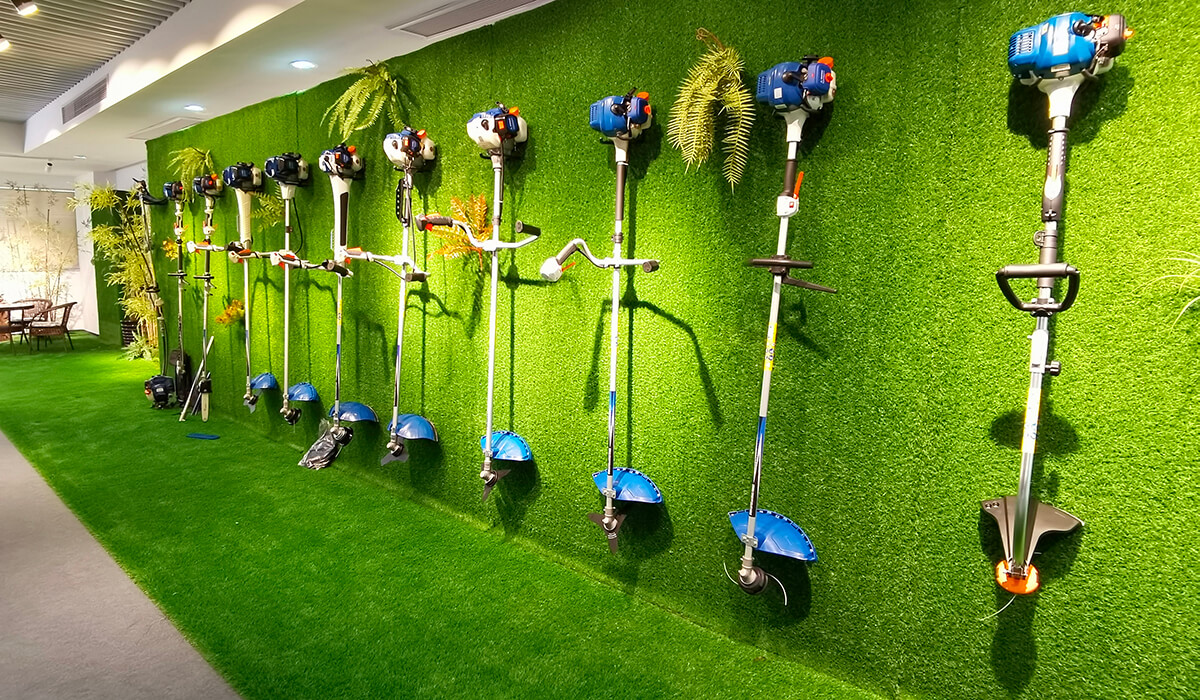

related blog
Acquire all kinds of knowledge from professional China factory
Which is better: 2 stroke vs 4 stroke brush cutter
This article aims to dissect the core differences between 2 stroke and 4 stroke brush cutters to give you the knowledge to make an informed purchasing decision.
Straight shaft vs curved shaft string trimmers
Learn the comparison of straight shaft and curved shaft string trimmers so you can decide which one is the right choice for you.
brush cutter blades - types, choices, maintenance...
Brush cutter blades are essential components, and understanding their types, choices, maintenance etc. can significantly enhance your product's competitiveness.
related product
Quote high quality products from professional China factory