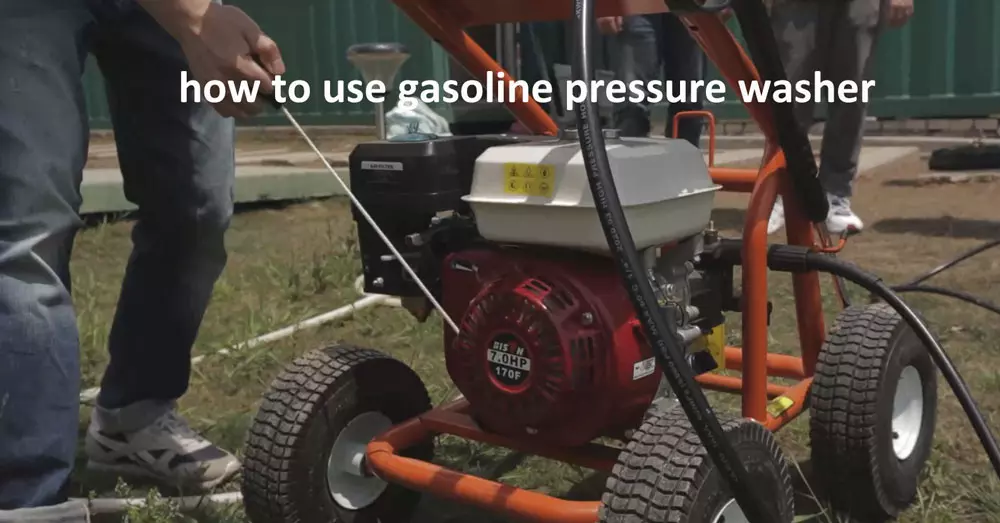
how to use gasoline pressure washer
2021-11-10
Table of content
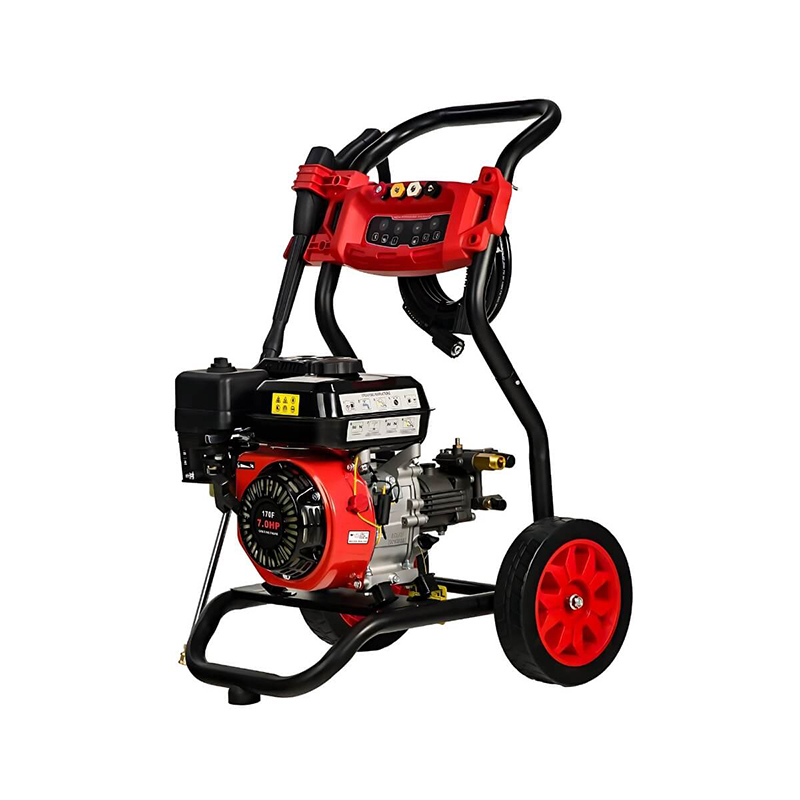
Pressure washers use a pump to push water out at variable pressure, and the engine runs on gasoline. When you want to get a big cleaning job done, you need a powerful gasoline pressure washer that can remove most dirt quickly. BISON is a professional gasoline pressure washer factory in China, offering OEM and ODM customization for distributors and importers.
The pressure from the pressure washer is measured in PSI (pounds per square inch). Gasoline powered pressure washers typically put out more PSI pressure than electric models. A standard garden hose delivers water at only 40-60 PSI, while a pressure washer pump boosts this to typically 1,000-4,000 PSI. Commercial gasoline pressure washers are great for the toughest stain and paint removal jobs. For the most difficult deep cleaning tasks, consider the BISON 3600 PSI high pressure cleaner. BISON's wholesale gasoline pressure washers help you clean dirt, grime, driveways, patios, dirty oil in garages, and similar cleaning tasks.
Learning how to use a gasoline pressure washer is very simple. If this is your first use, you will need to assemble the device according to the user manual that came with the product.
How to use gasoline pressure washer
Check the oil
Before starting the gasoline pressure washer, make sure you have enough oil.
Fill up the fuel tank
Fill the tank with fresh gasoline before starting the engine. All gasoline pressure washers require gasoline to operate.
Prepare the work area
Once the fuel tank is filled, take a few minutes to prepare the surrounding area. A clear, well-organized workspace prevents accidents, protects nearby property, and makes the cleaning job go faster once the engine is running.
Work through this checklist before starting:
Clear movable objects. Remove furniture, toys, potted plants, doormats, vehicles, and any other items from the surface you plan to clean. Loose objects can be knocked over by the water stream or get in the way of your movement.
Sweep away loose debris. Use a broom or leaf blower to clear dirt, leaves, gravel, and other projectile debris from the surface. Pressure washing over heavy debris can cause it to fly outward at high speed.
Protect landscaping. Cover flower beds, shrubs, and garden edging near the work area with tarp coverage or plastic sheeting. Concentrated water pressure and any runoff can damage delicate plants or strip mulch and soil.
Shield nearby surfaces. Cover windows, light fixtures, electrical outlets, and painted or delicate finishes close to the cleaning zone. High-pressure water can force its way through gaps, screens, and seals that aren't designed to handle it.
Close doors and windows. Shut and, if possible, seal doors and windows on the structure you're cleaning to keep water from spraying inside.
Check for people and pets. Keep children, pets, and bystanders away from the work area for the duration of the job, since the spray pattern and any dislodged debris can travel farther than expected.
Identify your water and power source locations. Confirm where the tap or water supply and any electrical outlets are relative to your machine's hose length, so you're not repositioning equipment mid-job.
Connect the gun
The nozzle and the extension rod of the high-pressure washer must also be connected to the spray gun. Before attaching the nozzle, choose the appropriate color for the task at hand. Nozzles are color-coded by spray angle: red (0°, pinpoint, highest pressure — use with caution), yellow (15°, heavy-duty), green (25°, general-purpose), white (40°, gentle, for vehicles and siding), and black (65°, widest spray, typically used with soap for cars or small projects).
High pressure hose
You must use a high-pressure hose to connect the water outlet to the spray gun. High-pressure hoses are typically made of PVC, rubber, or polyurethane and use different threading than standard garden hoses, which will tear if used in place of a high-pressure hose. Make sure all connections are tightened to avoid leakage.
Connect to the tap or water source
Make sure your water is very clear. Otherwise, it may cause damage to the pressure washer. You can test your home water pressure by timing how long it takes to fill a 5-gallon bucket—two minutes or less indicates sufficient flow for the pressure washer. Running the pump dry before water flow is established can damage the pump, so water must be turned on before engine startup. Tighten everything to prevent leakage.
Start your engine!
The last step is to turn on the gasoline pressure washer. Open the fuel valve, set the choke to full start, and pull the starter cord until the engine fires, then switch the choke to run. Some high-pressure cleaners require 1 or 2 pulls, and some cannot start without 15 or 20 times. If your gasoline washer has an electric starter, it can greatly reduce your start-up time.
Let the cleaning begin
You can now use the pressure washer. Just align the position and press the trigger. As soon as you release the trigger, the water will stop flowing.
For tough oil and fat stains that plain water cannot remove, a detergent can be applied as part of the cleaning process. Detergents function as emulsifiers and surfactants, binding water to oils and fats to lift stains from surfaces, unlike plain water, and unlike soaps, they do not leave a residual film behind.
After use, detach the hose from the washer's inlet and disconnect it from the water supply. Store both the hose and pressure washer indoors in a dry area. If the machine will sit unused for more than 30 days, add a fuel stabilizer to the tank and run the engine for a few minutes so treated fuel reaches the carburetor, or drain the fuel system per your manual — stale gasoline gums up the carburetor and causes hard starting later. Check the oil level before the next use.
Safety Tips for Gasoline Pressure Washer
Just like any other equipment, safety precautions need to be taken when operating a gasoline pressure washer:
Please observe all safety instructions and warning labels on the pressure washer.
Always wear protective gear including goggles and closed-toed shoes, and make sure that the sprayed water does not spray directly on you.
Before starting the cleaning work, find a flat, open area to place the pressure washer. Never use it in an unventilated or enclosed room due to fume buildup.
Make sure to use the proper pressure and nozzle type to avoid damaging the surface of the object you want to clean. As a general guide, hold the nozzle roughly 12–24 inches from the surface for most cleaning tasks, moving closer only for harder-to-remove stains. When cleaning siding or other painted surfaces, however, keep the nozzle at least 4 feet away to avoid damaging the finish.
Hold the spray gun assembly correctly and buckle the safety latch when not spraying. The safety latch prevents accidental spraying of water.
After turning off the pressure washer, be sure to release any pressure by squeezing the trigger before disconnecting the hose and nozzle.
The engine of a high-pressure washer can become very hot after a long period of use, so be careful when moving the washer.
BISON gasoline pressure washers save time on cleaning tasks and make your work easier. We offer a variety of customization options so you can choose the model that best suits your cleaning needs. If you have any questions, please contact us—we are always ready to assist.

related blog
Acquire all kinds of knowledge from professional China factory
How to make gasoline pressure washer quieter?
BISON delve into the world of quieter gas pressure washers. We will explore the reasons behind the loud operation of gas pressure washers, effective methods to reduce their noise output...
diesel vs. petrol pressure washer: which one is right for you?
BISON will focus on diesel and gasoline pressure washers. These two categories offer superior cleaning capabilities, but they differ in several key aspects.
Petrol pressure washer vs. Electric pressure washer
In this blog post, we'll take a look at both electrical powered washers and petrol powered pressure washer and see which is best for you.
related product
Quote high quality products from professional China factory