how to operate an industrial floor scrubber?
2026-05-11
Table of content
The gap between owning a floor scrubber and actually running one well costs more than the machine itself: wasted cleaning chemicals, premature part replacements, floors that never look right, and staff who dread the equipment instead of relying on it. Most of the damage comes from one overlooked habit — operating at inconsistent speeds across different zones.
Untrained operators cause equipment damage such as torn squeegee blades and leave floors streaky. Transitioning from manual mopping to scrubbers requires confident, trained staff to avoid wasting labor hours and leaving slip hazards on wet concrete. Whether you're managing a busy warehouse, a retail space, or a manufacturing facility, knowing how to operate a scrubber properly can save time, protect your floors, and extend the life of your equipment.
This guide gives you the repeatable, step-by-step process to master industrial floor scrubber operation with precision — from first power-on through post-shift maintenance.
Understanding industrial floor scrubbers
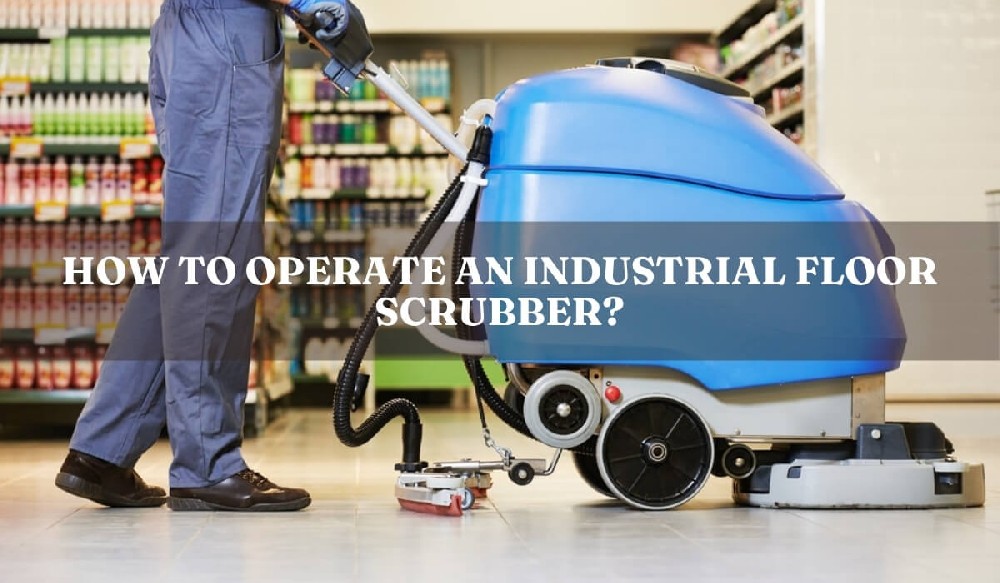
Industrial floor scrubbers are essential tools for cleaning large commercial and industrial spaces with minimal effort. These machines combine water, cleaning solutions, and mechanical scrubbing to remove dirt, grease, and debris more effectively than traditional mopping or manual scrubbing. They clean and dry hard floors in one pass, making them useful for warehouses, retail stores, hospitals, and factories. Choosing the right model is important for improving efficiency and reducing long-term costs.
Why they are better than manual cleaning
Efficiency: They clean large areas much faster than mopping or sweeping.
Consistency: They apply even pressure and solution across the floor for a uniform clean.
Hygiene: A recovery tank and squeegee remove wastewater, reducing bacteria growth and slip risks.
How they work
Solution application: A water-based cleaning solution is applied to the floor.
Mechanical scrubbing: Rotating brushes or pads loosen dirt and stains.
Suction and recovery: A squeegee collects dirty water and sends it to a recovery tank.
This system cleans and dries the floor in one pass, making it ideal for high-traffic areas.
Types of industrial floor scrubbers
Walk-behind scrubbers: Compact and easy to control, suitable for medium spaces and tight areas such as loading docks, narrow aisles, and production lines. The operator walks behind and controls movement through a handle.
Ride-on scrubbers: Designed for large open areas like warehouses and malls. The operator sits or stands on the machine, allowing faster coverage and reduced fatigue. These are best for facilities over 2,000 square meters.
Automated or programmable scrubbers: Advanced machines with preset cleaning paths used in large or complex facilities.
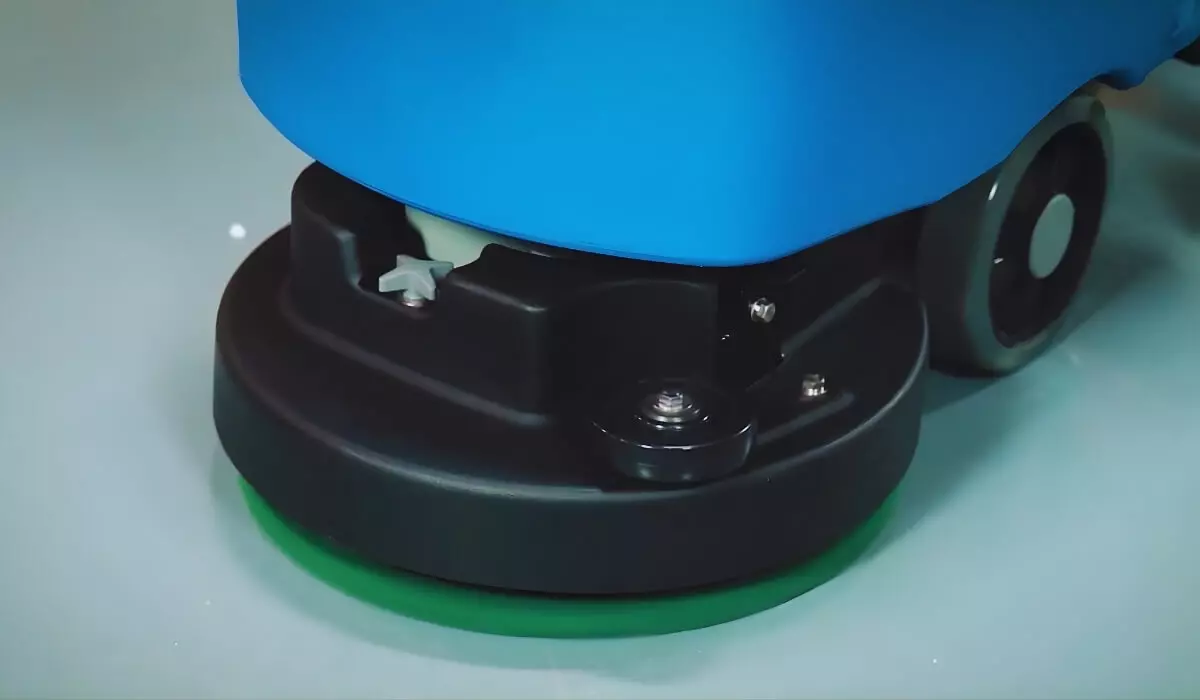
Rotary pad and cylindrical brush scrubbers: Rotary pad scrubbers use single or dual discs for smooth floors, while cylindrical brush scrubbers use rotating brushes that reach into textured or uneven surfaces. Cylindrical systems often perform better on rough or grouted floors.
Key components
Brushes or pads: Direct contact parts that clean the floor, available in different hardness levels depending on surface type.
Squeegee assembly: Rubber blade system that removes water from the floor.
Solution tank: Holds clean water and detergent mixture.
Recovery tank: Collects dirty water after cleaning.
Operator controls: Adjust brush pressure, water flow, speed, and suction.
How industrial models differ from residential units
Industrial scrubbers are built for durability and heavy-duty use. They have larger tanks, starting around 40 liters for walk-behind models and over 300 liters for ride-on units, allowing longer operating time. They also use stronger materials such as rotomolded polyethylene tanks, steel frames, and sealed electrical systems. These machines deliver higher pressure and torque, making them suitable for removing heavy grease and tough floor stains that residential units cannot handle.
Pre-operation preparation and safety checks
Proper preparation is the key to effective cleaning and extending the life of your industrial floor scrubber. Before operating, operators must don PPE including non-slip footwear, chemical-resistant gloves, and eye protection, then complete a full machine safety inspection.
Safety precautions before operating
Always wear protective gear:
Footwear: Non-slip, closed-toe safety shoes
Hand protection: Chemical-resistant gloves
Eye protection: Safety glasses or splash-resistant protection
Hearing protection: Required for ride-on models
Inspect the work area for hazards and cordon off electrical panels or dock areas. Avoid walking on cords, uneven surfaces, or wet areas near electrical outlets. Keep pedestrians and other workers away from the cleaning area. These safety checks — verifying the emergency stop, warning lights, and horn are functional — must be completed before every shift. Ensure ride-on models have a working seat switch; never bypass these interlocks.
Every operator should complete hands-on training specific to the machine model before unsupervised use, including a full review of site-specific procedures. BISON provides operator manuals and training documentation with each unit. Untrained operators account for a disproportionate share of equipment damage claims our service team encounters.
Workspace inspection
Before turning on the scrubber:
Clear obstacles: Remove chairs, pallets, or cords that could block the machine or cause accidents. Clear large debris like pallets or strapping and pre-sweep heavy dry soil.
Remove loose debris: Sweep or vacuum dust, dirt, or small particles — this prevents brushes from clogging and ensures a smooth cleaning pass.
Plan your path: Identify floor transitions and obstacles to plan an efficient route.
Check floor conditions: Look for wet spots, cracks, or uneven surfaces that could affect the scrubber's performance or cause slipping hazards.
Machine physical inspection
Visually inspect power cords, hoses, and battery compartments for leaks or damage. Check controls to make sure everything is working properly. A quick machine check ensures safe and efficient operation:
Brushes and pads: Inspect for wear, replacing any below manufacturer specifications. Worn brushes reduce cleaning performance and can scratch the floor.
Squeegee assembly: Flip the assembly to check both blades for nicks or tears; a squeegee failing to maintain floor contact is the primary cause of poor water recovery.
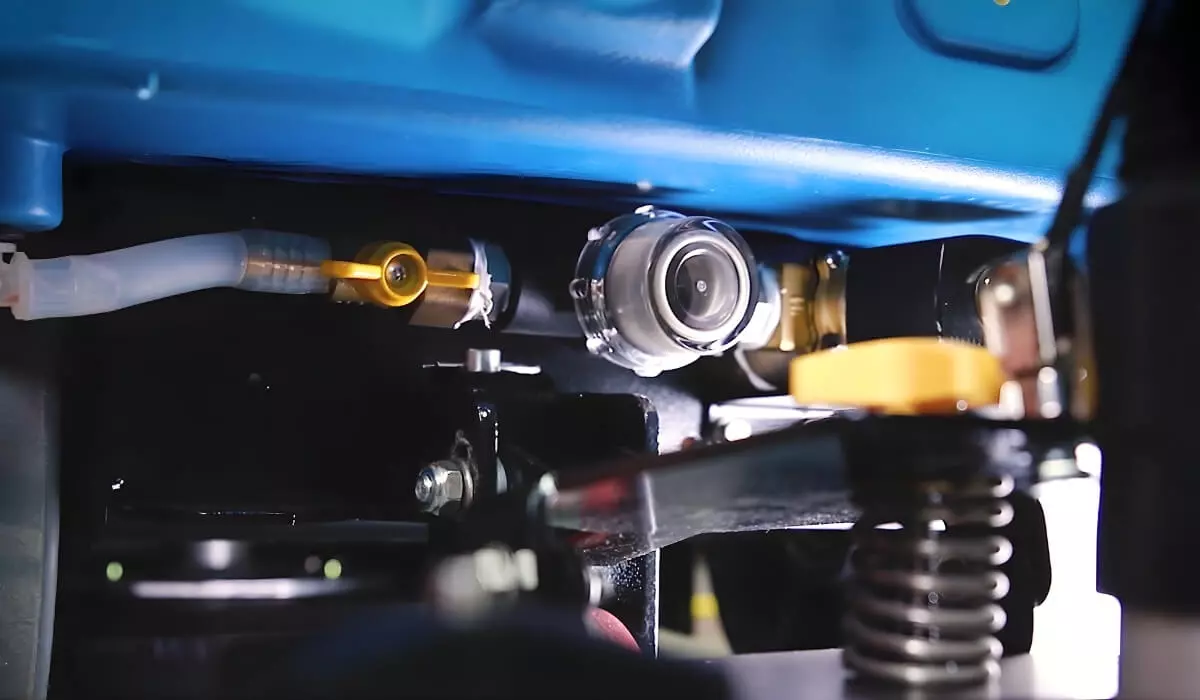
Tanks: Ensure the solution tank is sediment-free and the recovery tank is empty with a tight lid seal. Dirty tanks can spread contamination rather than remove it.
Battery and power check
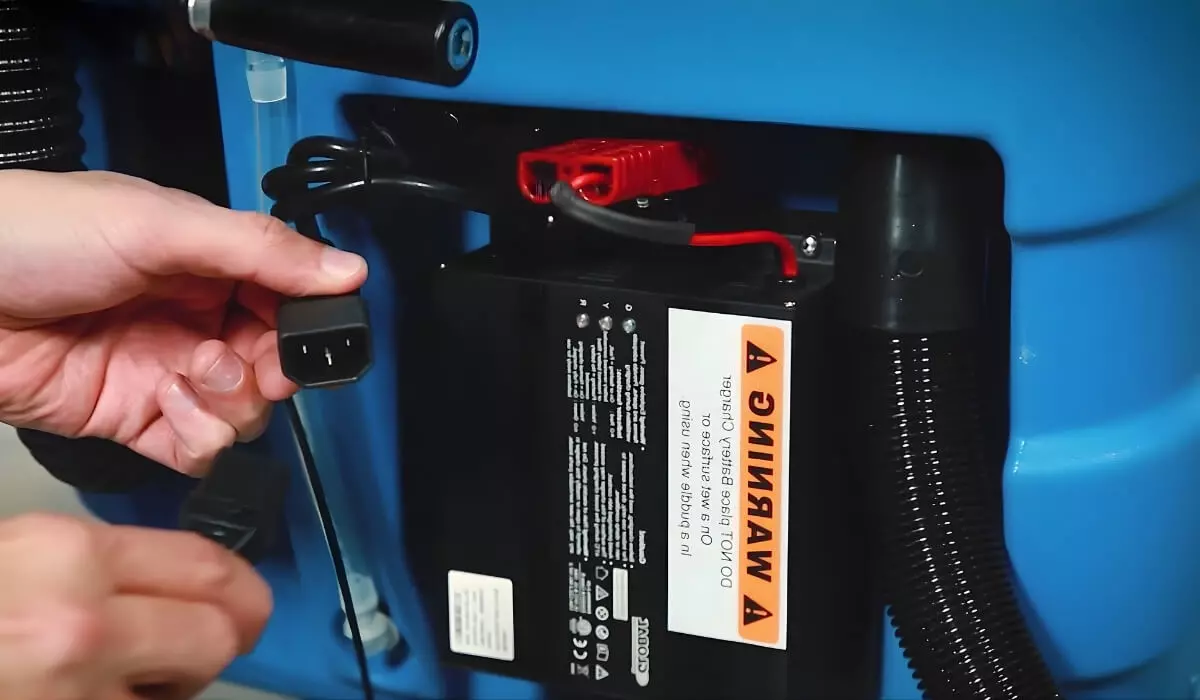
Start shifts with a full charge and clean terminals. For lithium-ion packs, verify the management system shows no fault codes. Inspect cords on electric models and test the GFCI; avoid extension cords to prevent voltage drops. For fuel-powered units, check fuel levels and inspect fittings for leaks.
Controls and functions test
Test steering, brush engagement, and solution flow. Key settings to verify and adjust include:
Brush pressure: Use a hard brush for concrete or heavily soiled floors; use a soft brush for polished or delicate surfaces.
Solution flow: Adjust the water and cleaning solution according to the level of dirt. Too much can leave puddles; too little may not clean as effectively.
Speed: Reduce speed in heavily soiled areas or corners to get a thorough clean. Faster speeds work for lighter dirt on open floors.
On ride-on units, test the throttle, brakes, and the emergency stop button to ensure it halts all functions, including brush rotation, solution flow, and drive power. Test the horn for a clear warning. Immediately remove machines with faulty controls from service.
Floor scrubber operation: step-by-step procedures
Once the floor is prepared and the machine is ready, operating an industrial floor scrubber requires correct technique, attention, and safety to ensure effective cleaning and protect both the floor and equipment.
Getting started
Fill the solution tank with the recommended cleaning solution only and ensure it is at the correct level; never use dirty water.
Select detergent based on floor type. Follow these guidelines:
Heavy-duty alkaline cleaners: Best for concrete or epoxy floors, and for removing grease, oil, or heavy dirt in industrial settings.
Neutral pH cleaners: Ideal for polished surfaces, vinyl, laminate, or other delicate floors.
Acidic or highly abrasive cleaners: Avoid these, as they can wear down or damage the floor over time.
BISON recommends consulting your chemical supplier for site-specific guidance, especially in food processing or pharmaceutical environments.
Follow detergent manufacturer ratios precisely using a measuring device. Fill the solution tank with clean, filtered water to the maximum line. Add a small amount of defoamer directly to the recovery tank before use to protect the vacuum motor. BISON vacuum motors are designed and tested for use in wet operating environments, but consistent defoamer use remains the best preventive measure.
Starting the machine
Power on the machine and check that all indicators, controls, and safety features are working. Allow the self-diagnostic cycle to run, which checks battery voltage, motor response, and sensors. Wait until indicator lights stabilize and review display information such as battery level, run time, and fault codes.
Set the brush and squeegee according to the floor type. Use softer settings for delicate surfaces and firmer settings for concrete or heavily soiled areas. Ensure the squeegee makes full contact with the floor.
Select the operating mode (eco, standard, or high-performance) based on cleaning needs. Start at a moderate speed until you are familiar with the controls. Always engage the parking brake when adjusting settings, especially on sloped surfaces.
Adjusting settings
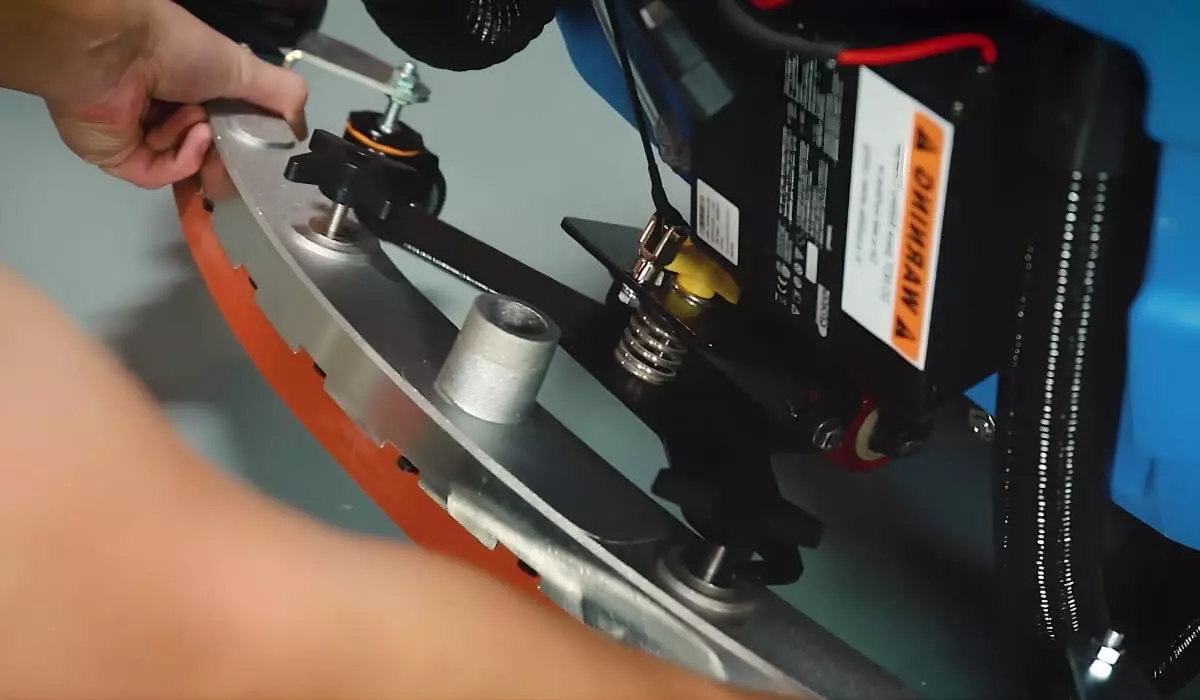
Scrub deck and squeegee: Lower the scrub deck so it sits evenly on the floor to avoid uneven wear, and lower the squeegee assembly for consistent water recovery.
Brush or pad selection: Match the brush or pad to the surface — use soft options for polished or delicate floors and harder ones for concrete or heavily soiled areas.
Water flow and brush pressure: Adjust based on dirt level. Light cleaning requires lower settings, while heavy dirt needs higher pressure and flow. Avoid using maximum pressure on all surfaces, as it can reduce brush life and damage floors.
Squeegee angle: Set the angle to guide water toward the vacuum port for better recovery.
Speed: Adjust according to floor condition — slower for heavy dirt and faster for lighter, open areas.
Driving and scrubbing
Plan a structured cleaning path to improve efficiency and avoid missed areas. Work in straight, parallel lines from one end of the space to the other, or divide large areas into sections and clean one section at a time.
Overlap each pass by 5 to 10 centimeters to prevent streaks or dry lines. Maintain a steady pace so brushes can loosen dirt properly and the vacuum can recover water effectively.
Adjust speed based on surface condition, slowing down for stubborn dirt or wet areas and increasing speed for clean, open floors. Monitor solution levels during operation and refill the tank when needed to maintain consistent performance.
Avoid random movement patterns, as they can cause uneven cleaning and missed spots.
Navigating obstacles and edges
Reduce speed before making turns to prevent tipping or streaking. Slow down during turns to avoid squeegee lift and maintain proper water recovery.
Perimeter edges: Drive close to walls, and use manual cleaning methods for perimeter edges if side brushes are not available. Small walk-behind scrubbers with side brushes can reach corners, edges, and narrow aisles more effectively.
Floor transitions: Lift the squeegee briefly when crossing expansion joints or floor transitions to prevent blade damage.
Tight areas: Avoid rushing in tight areas such as corners, edges, or high-traffic zones, as this often causes missed spots or streaks. Use smaller machines, side brushes, or manual tools like mops and hand brushes for better coverage in confined spaces.
Inclines: Reduce speed to the lowest setting on inclines and scrub uphill for better control and braking stability.
Monitoring during operation
Monitor battery and solution levels regularly during operation. Do not allow batteries to drop below 20% and never operate the machine without solution.
Check brush and pad condition during use. Listen for unusual sounds or vibrations, and stop immediately if performance changes or grinding noises occur.
Observe the floor behind the machine. Puddles may indicate squeegee failure or clogged hoses, while streaks can suggest uneven brush wear or low solution flow. Ensure the squeegee is removing water properly and adjust it if pooling occurs.
Post-cleaning maintenance and storage
Proper maintenance improves cleaning performance, safety, and extends the scrubber's lifespan.
Shutting down and post-operation procedures
Park the machine on a flat surface. Lift the scrub deck and squeegee, and turn off solution flow to prevent rubber deformation. Drain and rinse the recovery tank with clean water until clear. Flush clean water through the solution lines to remove remaining detergent.
Complete all steps listed under Daily Maintenance below before storing the machine. Detach squeegee blades and inspect for damage or hardened residue. Rinse the solution filter and intake screen daily. Check for leaks, wear, or damaged parts. Store the machine with tank lids open for ventilation.
Daily maintenance
Perform basic daily upkeep:
Empty and rinse tanks
Clean brushes and squeegees
Inspect squeegee blades and visible parts for wear
Wipe exterior and control panel
Clean solution filter and intake screen
Air-dry the recovery tank
Weekly or monthly maintenance
Perform regular inspection and servicing:
Lubricate moving parts according to manufacturer instructions.
Check battery health or fuel system components.
Inspect hoses, filters, and electrical connections.
Test solution flow rate.
Lead-acid batteries should be fully charged after each use and not deeply discharged to extend cycle life. Lithium-ion batteries can be partially charged without full discharge cycles.
Replace worn brushes or pads before they damage the floor. Rotate or replace squeegee blades every 50–100 hours depending on wear. Inspect drive belts for fraying and clean battery terminals.
Storage and preventive maintenance
Store the machine in a dry and stable environment to prevent seal and hose damage. Keep a maintenance log for operating hours, brush wear, and part replacement. Preventive maintenance helps reduce downtime and repair costs.
Neglecting maintenance can cause poor performance and breakdowns. Regular inspection of brushes, squeegee, tank, and moving parts keeps the machine in good condition.
Troubleshooting common operational issues and mistakes
Even experienced operators can make mistakes that reduce cleaning effectiveness or damage equipment. This section addresses the most frequent commercial floor scrubber troubleshooting issues BISON's technical support team encounters from wholesale partners and end users.
uneven floor finishes
In our experience supporting wholesale fleets, inconsistent speeds lead to uneven floor finishes and are among the most frequently reported operator complaints we receive. Use adjustable speed limiters on ride-on models to ensure consistency.
Using the wrong brush or pad
Different floor surfaces require specific brushes or pads. Using a stiff brush on delicate floors can cause scratches, while a soft pad on heavily soiled concrete can leave dirt. Always match tools to the type of floor.
Using too much cleaning solution or water
Too much water or cleaning solution can leave puddles, dry slowly, and create slip hazards. Too little solution will not clean effectively. Adjust the flow settings based on the level of dirt and floor type.
Poor water pickup
Clean debris from squeegee blades and check the vacuum hose for cracks or loose fittings. Inspect the recovery tank lid gasket; a warped gasket allows air to bypass the squeegee. Check the recovery tank and vacuum system for clogs.
Streaking or swirling on floors
Adjust brush pressure or replace the worn squeegee. Reduce brush pressure incrementally to eliminate swirling on polished floors. Replace brushes when bristles reach the manufacturer's minimum wear mark to maintain floor contact. BISON supplies brush wear indicators on our standard pad drivers to simplify this inspection.
Poor scrubbing performance
Inspect brushes for matted bristles and clean cylindrical brushes of hair or thread. Verify brush pressure matches the soil type and confirm solution flow. Our production team pressure-tests BISON solenoid valves before assembly to verify performance under operating conditions. Failures in the field almost always stem from debris in the water supply rather than valve defects.
Machine won't start or move
Check for corroded battery terminals; a 24V system should read within the manufacturer's specified healthy voltage range. Ensure the parking brake is released. If the machine has power but won't move, check the drive motor fuse or controller.
Excessive foaming
Reduce the chemical dilution ratio to prevent foam overflow. If the ratio is correct, ensure defoamer is in the recovery tank. BISON recommends that wholesale partners stock compatible low-foam chemistry alongside machine sales.
Battery drain and reduced run time
Test individual cells to identify weak points. Avoid opportunity charging lead-acid batteries; always complete a full cycle. Damaging habits to avoid include:
Running the machine until low-voltage shutdown
Leaving the key switch on while idle
Storing without a maintenance charge
Using an incompatible charger
BISON's lithium battery option includes an integrated BMS that prevents deep discharge and balances cells automatically. For wholesale buyers managing large fleets, lithium packs deliver measurably longer service life and lower total cost of ownership.
Conclusion
Operator skill is the primary variable in maintaining facility cleanliness. Strong equipment knowledge ensures consistent results, less downtime, and lower consumable costs over the life of the machine.
Effective operation requires understanding the machine, proper floor preparation, and safe cleaning practices. With correct training, regular maintenance, and efficient technique, facilities can achieve clean floors quickly while extending equipment life — regardless of staff turnover.
Routine industrial floor scrubber maintenance is not just an expense; it is a high-value investment in the equipment you already own. BISON supports this with manufacturing expertise, parts availability, and technical support to keep scrubbers performing at factory standards — for single units or full fleets.
Sourcing Floor Scrubbers for Your Wholesale Operation?
BISON manufactures walk-behind and ride-on floor scrubbers built for commercial and industrial use — with minimum order quantities starting at 1 units, OEM customization at no additional cost, and full operator documentation included with every shipment.

related blog
Acquire all kinds of knowledge from professional China factory