how to start a hedge trimmer
2026-03-19
Table of content
Hedge trimmer is a gardening tool designed to trim, shape, and maintain hedges, bushes, and shrubs. It helps keep lawns and gardens neat, tidy, and well-groomed, making outdoor spaces more attractive and enjoyable.
While hedge trimmers are useful, they can be dangerous if not used correctly. Learning the proper way to start a hedge trimmer is essential for safety and ensures the tool operates efficiently and lasts longer.
As a leading garden power tool manufacturer in China, BISON provides instructions not only on the cold and hot starting procedures for gasoline-powered models but also on the startup methods for battery-powered systems. Through this guide, we are committed to providing our global partners with standardized training materials, thereby ensuring that end-users can fully leverage the advantages of BISON products.Want to know how to start a hedge trimmer for your projects? Read this guide and you’ll be able to start your hedge trimmer with ease. Let’s get started.
Pre-start safety checks for a hedge trimmer
Before starting a hedge trimmer, it's important to perform safety checks to protect yourself and your equipment.
Identify your hedge trimmer type
Before starting a hedge trimmer, it's important to know which type you have. There are three main types of hedge trimmers, each type requires specific checks for safe operation:
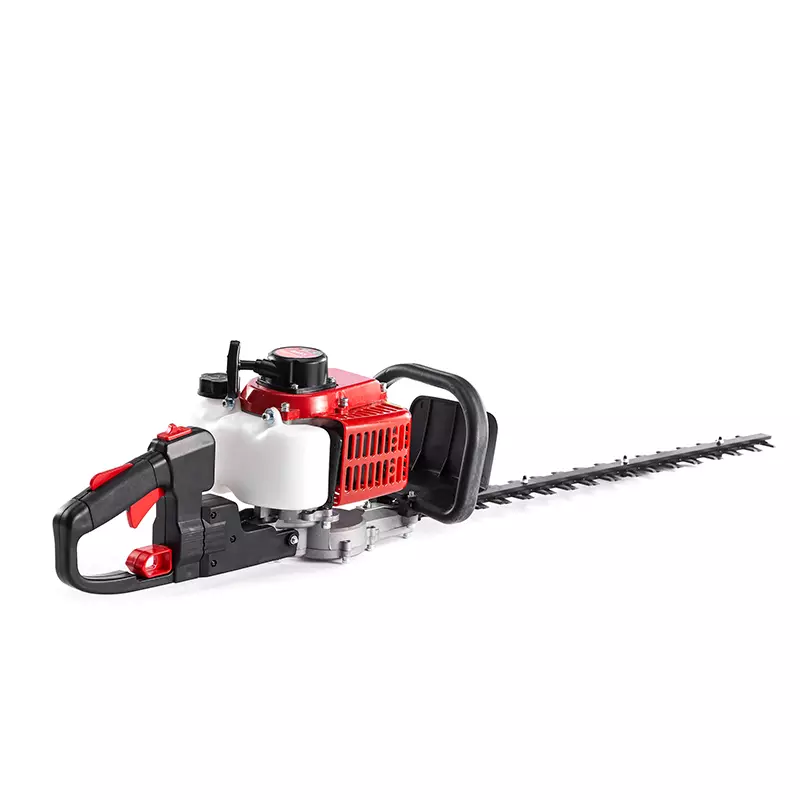
Gasoline/petrol hedge trimmers: Check that the fuel tank is filled with the correct fuel and free of leaks. Inspect the spark plug to ensure it is clean and properly connected. Examine the engine for any visible damage or loose parts.
Corded electric hedge trimmers: Ensure the trimmer is connected to a proper power source and that the cord is free from cuts or frays. Avoid using damaged cords to prevent electric shocks. Confirm the plug is fully inserted and the switch works correctly.
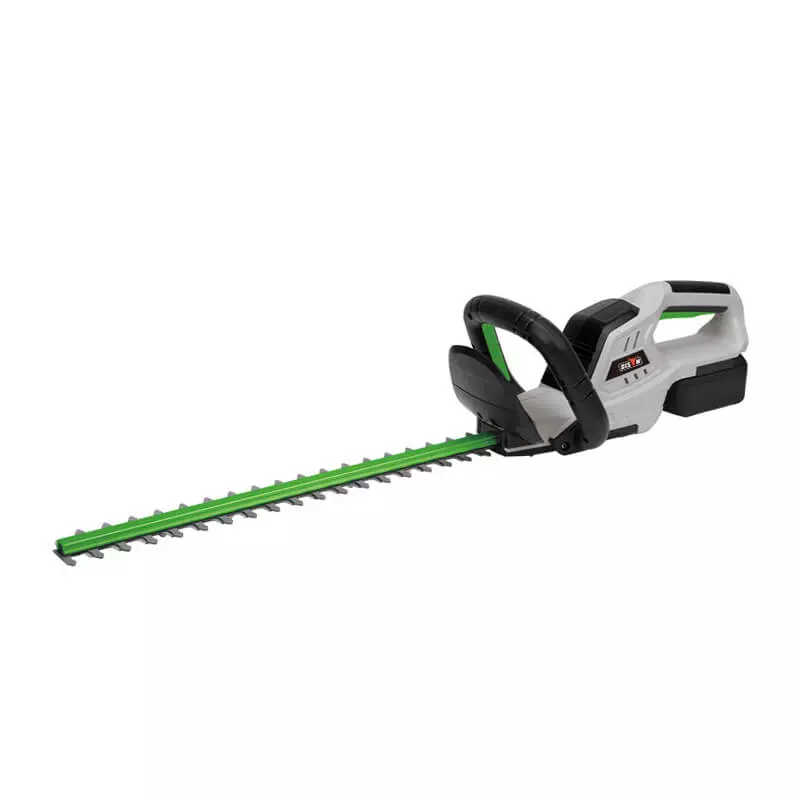
Battery-powered hedge trimmers: Check that the battery is fully charged, properly installed, and securely locked in place. Inspect for any damage, as a loose or faulty battery can stop the trimmer suddenly or create safety hazards.
Wear proper safety gear
Always wear safety goggles, heavy-duty work gloves, ear protection, protective clothing, and sturdy boots to shield yourself from cuts, debris, and loud noise.
Prepare the work area
Clear the area of obstacles like branches, stones, and other tripping hazards. Keep pets and people at a safe distance, and ensure the plants you plan to trim are easily accessible.
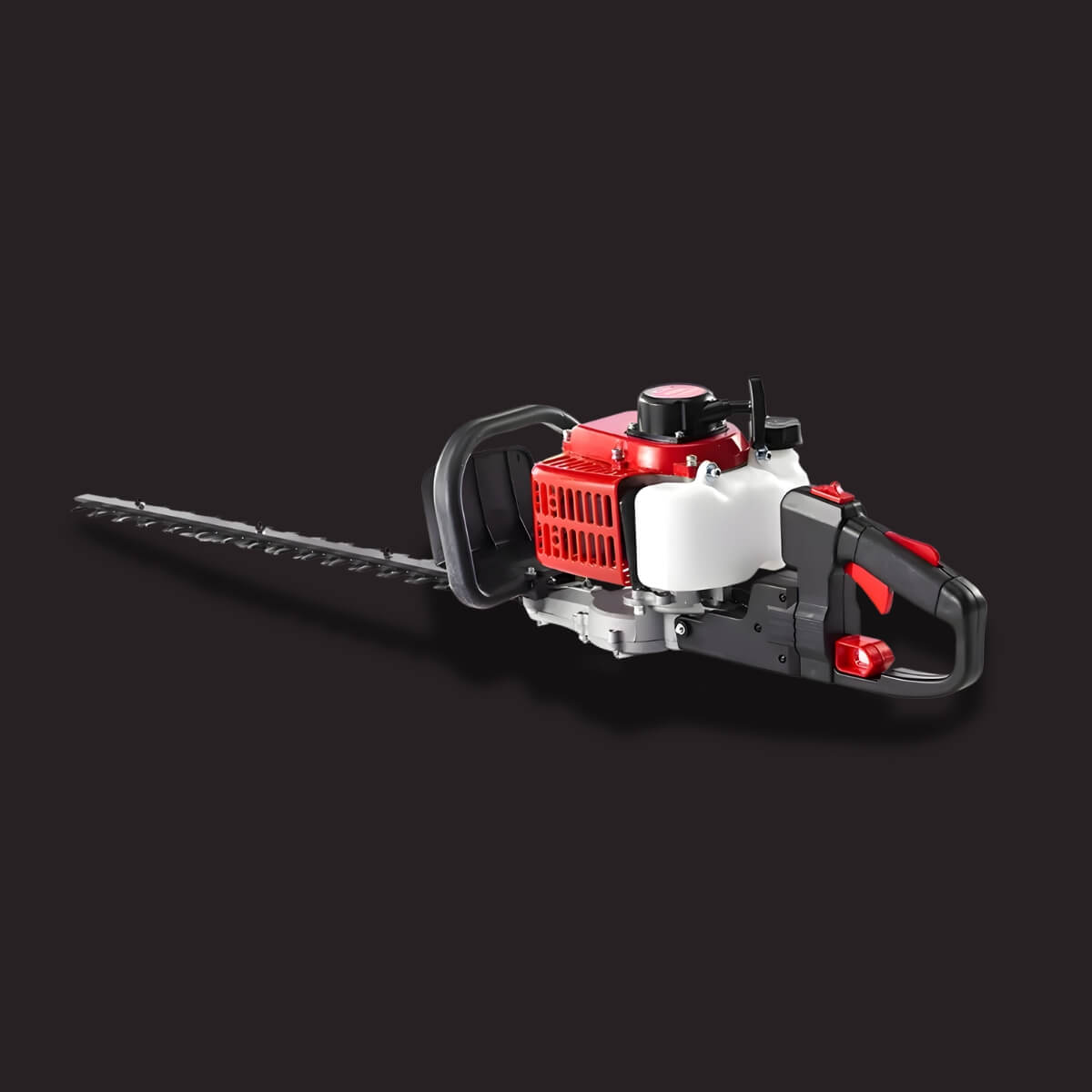
How to start a gas-powered hedge trimmer
Starting a gas-powered hedge trimmer safely requires following these careful steps:
Check fuel and oil: Fill the fuel tank with the correct gasoline and two-stroke engine oil mixture. Most models use a 50:1 ratio of 89-octane unleaded gas to two-stroke air-cooled oil. Check the transparent fuel tank to ensure enough fuel is available. Always refuel when the engine is cool and away from sparks or flames.
Set the choke: For a cold engine, move the choke lever (usually on the right side of the motor) to the "closed" or "start" position. This provides the right fuel mixture for easier starting.
Prime the engine: If your trimmer has a primer bulb, press it 3–5 times until fuel moves through it. This helps fill the carburetor for smoother starting.
Turn the on/off switch on: Set the power switch to "I" (on). Some models have a throttle lock or dual triggers — press the lock trigger first, then squeeze the throttle trigger. Release the lock once both are held.
Pull-start the engine: Place the trimmer on a stable, level surface with the protective blade cover removed. Hold the front handle firmly, pull the starter grip gently until engaged, then pull sharply until the engine starts.
Adjust the choke: Once the engine runs, gradually move the choke to the "open" or "run" position. If the engine stalls, move the choke slightly toward "closed" until it runs smoothly.
Engage the blades: Squeeze the throttle trigger to accelerate the engine. This engages the clutch, which drives the blade mechanism, and the blades begin to rotate.
If the engine is already at operating temperature, there is no need to engage the choke when starting. Typically, a single pull of the starter rope is sufficient to achieve ignition. If three consecutive starting attempts fail, please refer to the cold-start procedure and press the primer bulb once to compensate for potential vapor lock.
How to start an electric corded hedge trimmer
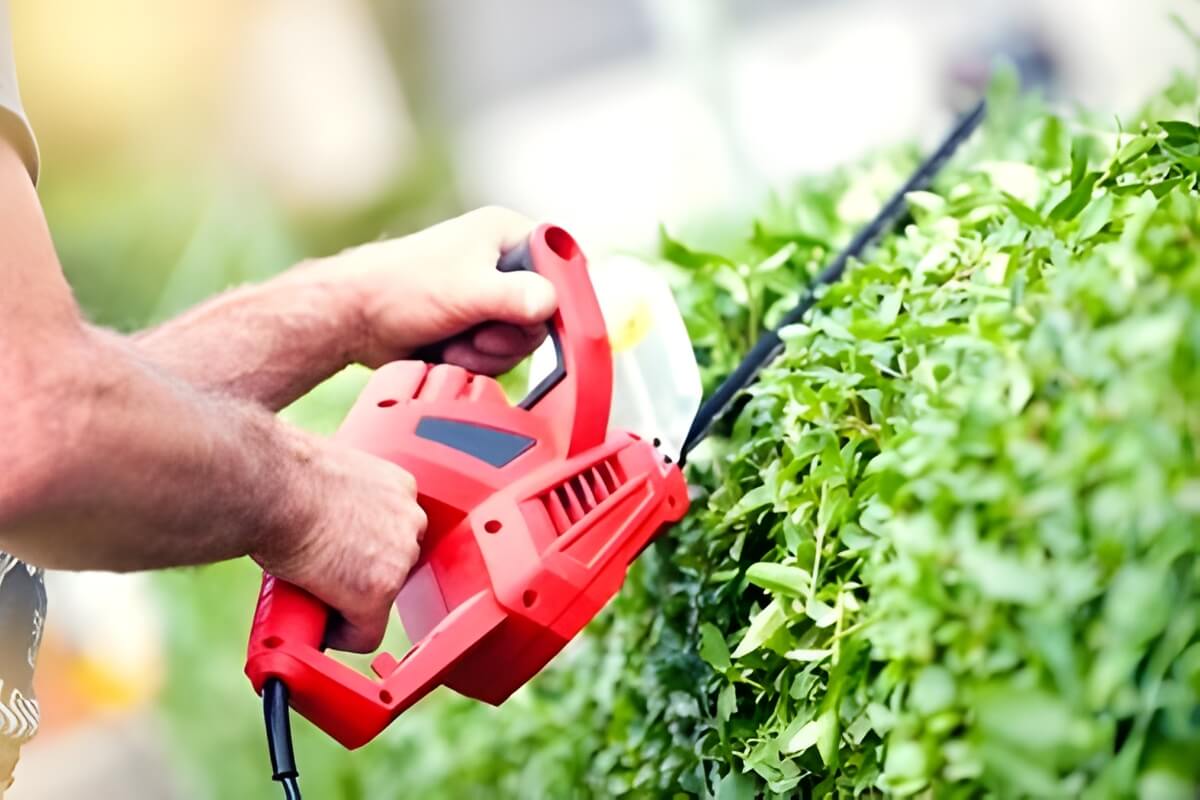
Starting a corded electric hedge trimmer is simple, but following these safety steps is essential:
Inspect the power cord: Check the cord for cuts, frays, or other damage. Do not use a trimmer with a damaged cord, as it can cause electric shocks or short circuits.
Connect to a power source: Plug the trimmer into a properly grounded outlet. Ensure the plug is fully inserted, and avoid using long or outdoor-unrated extension cords. Keep the cord clear of the blades while working.
Use the safety switch or trigger: Most electric trimmers have a safety switch or trigger to prevent accidental starts. Press and hold the safety switch, then squeeze the trigger to start the trimmer. The blades will begin moving immediately once powered.
How to start a battery-powered hedge trimmer
Starting a battery-powered hedge trimmer is simple, but following proper steps ensures safety and protects your battery:
Charge the battery fully: Ensure the battery is fully charged before use. A full charge allows the trimmer to run efficiently without interruptions.
Insert the battery correctly: Slide the battery into the trimmer's slot until it clicks securely. Make sure it is locked in place to prevent it from coming loose during operation.
Activate the safety lock: Most battery trimmers have a safety lock to prevent accidental starts. Press the safety lock while holding the trigger switch.
Start the trimmer: With the battery inserted and the safety lock activated, squeeze the trigger to start the blades. Release the trigger to stop the trimmer.
Common starting problems with hedge trimmers and how to fix them
Even when following all the proper starting steps, hedge trimmers can sometimes have problems. Here's how to identify and fix common issues by trimmer type:
Gas-powered trimmers
Engine won't start: Check that the fuel is fresh and sufficient. Inspect the spark plug for dirt or loose connections. Make sure the choke is set correctly for a cold start. Try priming the engine again if necessary.
Bad spark plug: Carbon build-up or worn electrodes can prevent ignition. Test with an ignition tester or replace the spark plug annually.
Restricted carburetor: Old or ethanol-heavy fuel can leave residue, blocking fuel and air flow. Use fresh fuel, a fuel stabilizer, or a pre-mixed 50:1 fuel/oil product like trufuel. Clean with carburetor cleaner, or replace the carburetor if badly clogged.
Clogged fuel filter: Prevents fuel from reaching the engine. Replace the filter if cleaning is difficult.
Damaged recoil pulley or spring: A broken starter pulley or spring prevents the rope from retracting. Replace the pulley, spring, or the full recoil starter assembly.
Malfunctioning recoil starter: If it doesn't engage the engine crankshaft, the starter assembly may need replacement.
Clogged spark arrestor: Soot can block sparks and interfere with starting. Clean with a wire brush or replace.
Dirty air filter: Blocks airflow to the carburetor. Replace annually or whenever dirty.
Electric corded trimmers
Trimmer doesn't run: Check that the trimmer is plugged into a working outlet. Ensure the cord is undamaged, the safety switch is engaged, and the trigger is fully pressed.
Battery-powered trimmers
Trimmer won't start: Make sure the battery is fully charged, properly inserted, and locked in place. Ensure the safety lock is activated before pressing the trigger.
Blades don't move
If the trimmer powers on but blades don't move, turn it off and unplug (or remove the battery). Check for debris or obstructions and remove them safely. Confirm the safety switch is fully pressed.
When to seek professional help
If the trimmer still won't start after checking fuel, battery, power source, safety switches, and removing obstructions, consult a professional. Attempting internal engine or electrical repairs yourself can be dangerous and may damage the trimmer.
Maintenance tips to keep your hedge trimmer easy to start
Proper maintenance ensures your hedge trimmer starts easily and runs efficiently. Follow these simple tips:
Clean and lubricate the blades
After each use, remove leaves, sap, and debris from the blades. Wipe them clean and apply a light lubricant to prevent rust and ensure smooth movement. Well-lubricated blades reduce strain on the engine or motor, making starting easier.
Never lubricate while the battery is connected or the trimmer is running. Some models may require a heavier-duty lubricant.
Replace spark plugs or batteries when needed
For gas trimmers, inspect the spark plug regularly and replace it if dirty or worn. For battery trimmers, ensure the battery holds a full charge and replace it when necessary. Using quality spark plugs and batteries ensures reliable starts every time.
Store the trimmer properly
Keep the trimmer in a dry, sheltered area away from moisture and extreme temperatures. For gas models, empty the fuel if storing long-term to prevent gumming. For electric and battery trimmers, remove and store the battery separately in a cool, dry spot.
Perform regular inspections
Check for loose screws, damaged parts, or worn components. Repair or replace any issues promptly to prevent bigger problems. Regular inspections keep the trimmer safe, reliable, and easy to start.
Conclusion
By following these safety, starting, and maintenance steps, you can ensure your hedge trimmer starts easily and performs efficiently every time. Proper operation not only extends the life of your trimmer but also guarantees cleaner, more precise cuts.
Take the time to familiarize yourself with your model and always prioritize safety. For reliable, high-quality hedge trimmers built for durability and performance, consider choosing BISON, a trusted professional manufacturer.

related blog
Acquire all kinds of knowledge from professional China factory
What can hedge trimmers be used for?
we're set to go beyond the basics, exploring the multifaceted uses of hedge trimmers. From shaping your shrubs to crafting intricate topiaries, and even tackling overgrown greenery...
Which is better: single or double sided hedge trimmer
It’s sometimes difficult to choose between a single and double sided hedge trimmer as you don’t know which one is better. Reading this guide will help you understand which one of these is better for your needs.
Can I use a pole saw as a hedge trimmer?
In this blog post, BISON explains the pros and cons of pole saw and hedge trimmer, how to safely use a pole saw for trimming, and what to consider before doing so.
related product
Quote high quality products from professional China factory