How to use a hedge trimmer?
2026-04-20
Table of content
Hedge trimmers are versatile gardening tools designed to trim and shape hedges, shrubs, and bushes, helping keep gardens and landscapes neat and well-maintained. Properly trimmed hedges not only improve the appearance of your garden but also promote healthy plant growth by removing overgrown or dead branches. Proper use of a hedge trimmer also helps keep your plants healthy while ensuring maximum safety.
The right technique ensures smooth, precise cuts and helps prevent accidents or damage to your plants. In this article, BISON will guide you on how to use a hedge trimmer effectively, so you can maintain beautiful, healthy hedges with confidence. This step-by-step guide also highlights common mistakes to avoid, helping you achieve the best results every time your hedges and bushes need shaping and pruning.
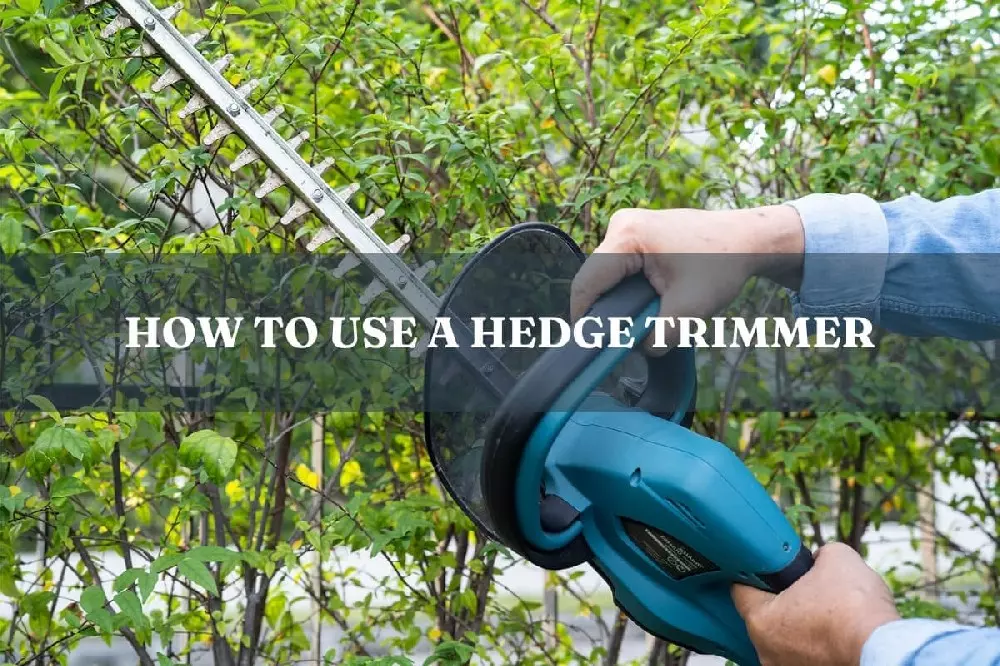
Step-by-step guide on how to use a hedge trimmer
Follow these steps to learn how to use a hedge trimmer effectively and safely, and trim hedges with confidence.
Safety precautions
While hedge trimmers are simple to operate, they can cause severe damage if used improperly. When operating a hedge trimmer, it is essential to put safety first.
Protecting yourself before starting work is an essential step. Ensure you wear the correct ppe (personal protective equipment), including ear, eye, hand, and foot protection, and avoid loose clothing that can get tangled in branches. Wearing the right protective gear can prevent injuries—use gloves to protect your hands, goggles to shield your eyes from flying debris, and ear protection if your trimmer is loud. Sturdy clothing and closed-toe shoes help protect your body from scratches or accidental cuts.
inspect the area
Before trimming your hedge, ensure there are no potential problems. Check for cables, insects, animals, and other items that could damage the cutting attachment. Remove any obstacles like rocks, sticks, or garden tools, and make sure pets or people are not nearby. Ensure there isn’t too much activity in the area, especially if kids play nearby. Avoid trimming in bad weather, such as heavy rain or strong winds, and never use an electric hedge trimmer when the hedge is wet.
The area under the hedge is also worth preparing. Add a floor mat or protective layer to catch fallen twigs or branches and make cleanup easier. If you need to reach high hedges using a ladder, ensure it is stable and positioned on level ground. Always keep bystanders at a safe distance while trimming.
Preparing your hedge trimmer before starting
Always inspect your hedge trimmer before use. Check for any damage, loose parts, or dull blades, as these can affect performance and increase the risk of accidents.
The preparation steps vary depending on the type of trimmer you have.
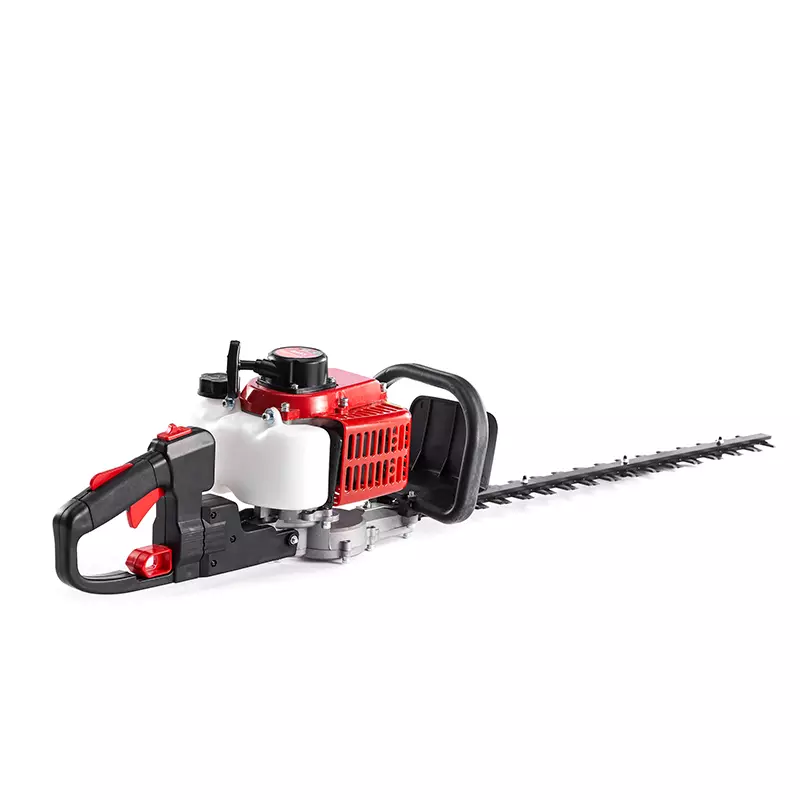
For gasoline hedge trimmers: Check that the fuel tank has enough fuel and that the oil level is correct. Inspect the spark plug and air filter to make sure they are clean and in good condition. Make sure all parts are tightly secured and the blades are sharp.
For electric hedge trimmers: Inspect the power cord for any damage or frays. Use a proper electrical outlet and avoid extension cords that are not rated for outdoor use. Do not use the trimmer in wet conditions to prevent electric shock.
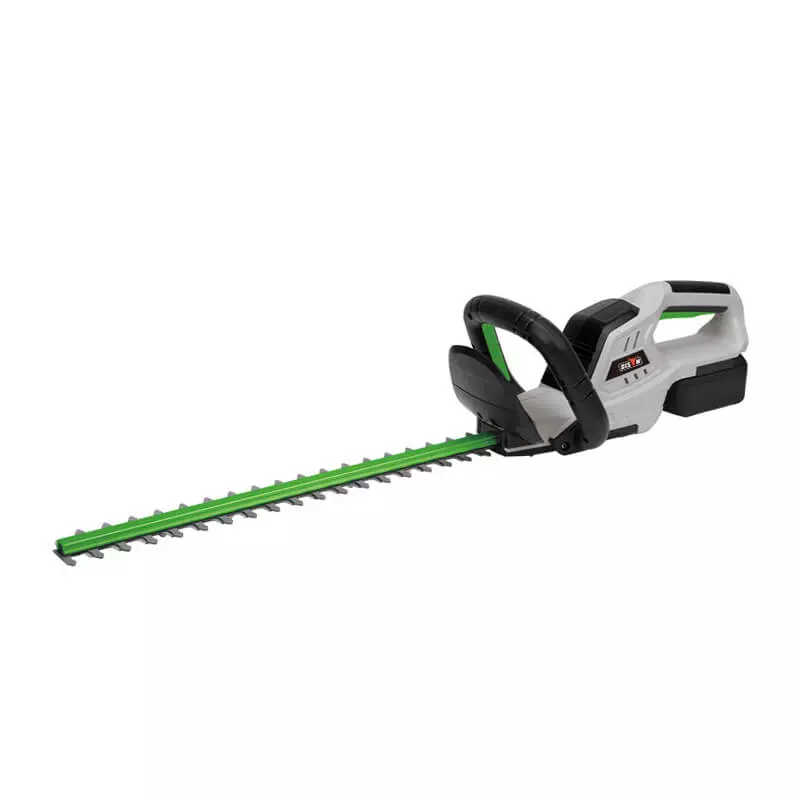
For battery-powered hedge trimmers: Fully charge the battery before use. Make sure the battery is securely installed in the trimmer and locked in place.
Proper lubrication of the trimmer blades before and after cutting is critical. Apply oil directly to the trimming blades to reduce friction and prevent excess heat that can bend the blades.
Ensure you have received proper instruction on using the trimmer and are mentally and physically capable of operating it. Use proper grip and body positioning—hold the trimmer with both hands, keeping a firm but relaxed grip, and stand with your feet shoulder-width apart for good balance. Keep your body slightly behind the trimmer and avoid overreaching.
Carry your trimmer correctly by using the front and rear handles and keeping your thumbs under the handles. Keep your hands behind the guard and hold the machine close to your body at all times. Make sure your gloves fit well to maintain a secure grip. If your hedge trimmer has a pivoting rear handle feature, use it to work in a more ergonomic position.
Plan your cutting work
Before you start trimming, look at your hedge and decide its final shape. Determine where the top, sides, and edges should be, and remove any obstacles around the hedge for safer and more precise work.
Different hedges require slightly different trimming approaches:
| Hedge type | Trimming approach |
|---|---|
| Straight or flat-topped hedges | Use long, horizontal strokes to keep the top even and straight. Move the trimmer smoothly with consistent pressure. Guide strings or frames can help ensure level lines. |
| Rounded or ornamental hedges | Follow the natural curves of the plant using gentle, sweeping motions. Trim slowly and step back often to check the overall shape. |
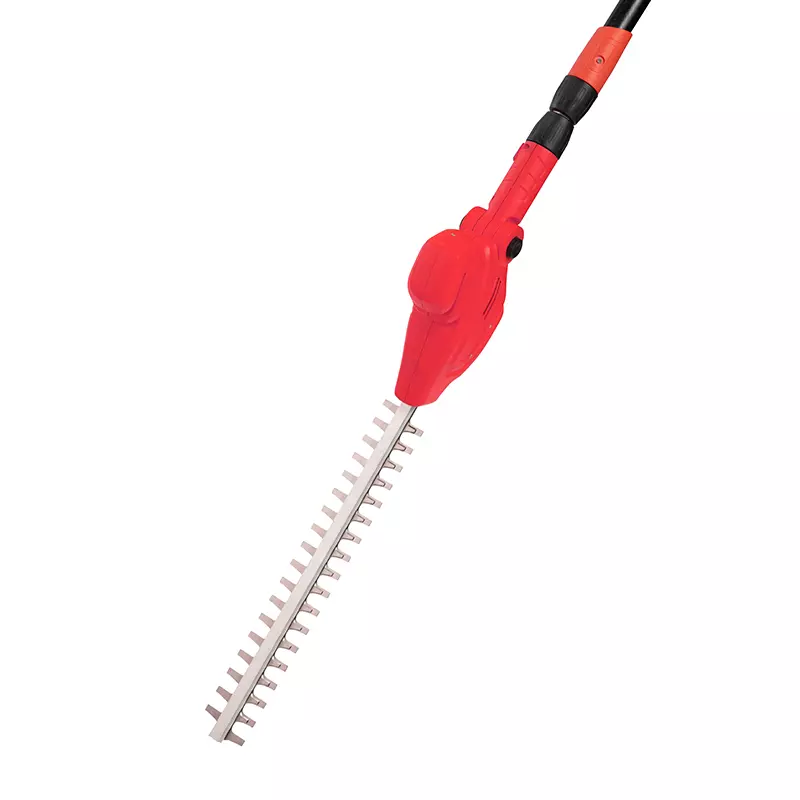
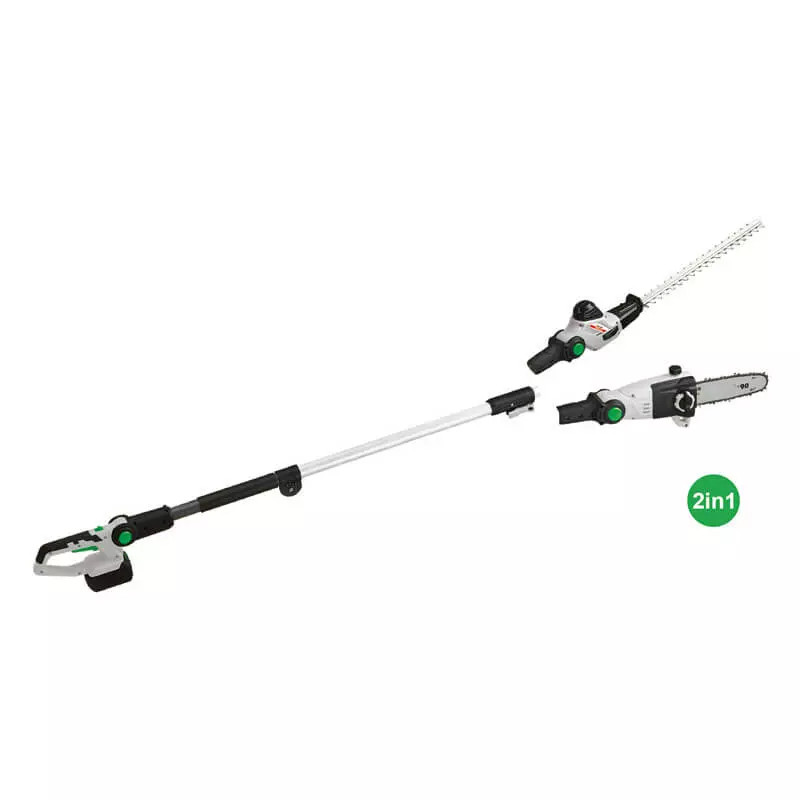
| Tall hedges | Use a stable ladder on level ground or a hedge trimmer with a pole attachment. Maintain balance, keep a firm grip, and never overreach. Ensure no one is below while trimming. |
Start slowly
Before cutting, make sure the trimmer is off and positioned safely. Start and stop the trimmer according to the manufacturer's instructions, and always wait for the blades to stop moving before setting it down. Begin with small, slow cuts to avoid removing too much at once.
Start from the bottom
Begin trimming at the bottom and work your way up. This helps you see the shape as it develops and prevents cut branches from falling onto trimmed areas. Follow the hedge's natural growth pattern when needed.
Keep the bottom slightly wider than the top to allow sunlight to reach all parts of the hedge and promote healthy growth while maintaining a balanced appearance.
Use smooth, controlled motions
Move the trimmer in slow, sweeping arcs and keep a safe distance between the blades and your body. Hold the trimmer firmly with both hands and avoid forcing it through branches — let the blades do the work. Maintain consistent cutting depth for even results.
Both vertical and horizontal cuts are possible. For vertical cuts, use a gentle up-and-down motion. For horizontal cuts, hold the blade at a slight angle and guide it steadily through the hedge. Avoid applying too much pressure and use sweeping motions for thinner branches.
If using an electric trimmer, keep the power cord behind you and away from the blades at all times. For straight or formal hedges, use guide strings or frames to maintain straight lines and consistent height.
Trim in layers for thick branches
For dense hedges, remove outer branches first and gradually work inward. This prevents overloading the trimmer and ensures an even cut. Use hand pruners or loppers for thicker branches instead of forcing the trimmer.
Trim the top of a hedge
For tall hedges, use a stable platform or a long-reach hedge trimmer. Keep the working height comfortable and avoid leaning a ladder against the hedge. If using a ladder, ensure it is stable and have someone assist if needed.
Check your work
Step back regularly to view the hedge from different angles. Make small adjustments to ensure even cuts and a smooth, well-shaped finish.
Cleanup and storage after using a hedge trimmer
If you want your hedge trimmer to be ready for your next pruning, taking care of it before storing it is essential.
Turn off and disconnect
Before doing anything, make sure the trimmer is turned off. For electric models, unplug the power cord. For battery-powered trimmers, remove the battery. Gasoline trimmers should also be switched off and allowed to cool.
Clean
Remove leaves, branches, and other debris from the blades using a brush or cloth. Clean the blades with soapy water and a cloth afterwards. Clean the air filter regularly, as debris and dust that builds up here can lead to reduced engine power and poor performance. Also keep the exterior clean, as cold air can't flow freely over the motor, which can cause overheating.
Oil the blades
Lightly apply oil to the blades after each use to prevent rust and corrosion and keep them moving freely. This helps maintain sharp, efficient cutting edges.
Check for damage
Inspect the trimmer for any signs of wear, loose parts, or damage. Tighten screws and make minor repairs if needed before the next use. Sharpen the blades approximately every 50 hours to ensure a sharp cut. Take the trimmer to a local service center if needed.
Proper storage
Store the hedge trimmer in a dry, secure place out of reach of children, away from moisture and extreme temperatures. If possible, cover the blades or store in a protective case to prevent accidents and maintain sharpness. Avoid places prone to leaks or moisture, as this will shorten the trimmer's life.
Common mistakes to avoid when using a hedge trimmer
Using a hedge trimmer incorrectly can lead to accidents, poor results, or damage to your plants. Here are common mistakes to watch out for:
Cutting too fast or aggressively: Rushing through trimming can result in uneven cuts and strain the trimmer. Move the blades in smooth, controlled motions instead.
Neglecting safety features: Always use safety switches and hold the trimmer with both hands. Ignoring these precautions increases the risk of injury.
Using dull blades: Dull blades tear branches instead of cutting them cleanly. Keep your blades sharp to make precise cuts and protect plant health.
Trimming in wet or slippery conditions: Wet leaves, grass, or slippery ground can cause slips or electric shock. Always trim in dry conditions and wear proper footwear for traction.
Overreaching or poor body position: Stretching too far or holding the trimmer awkwardly can lead to accidents and fatigue. Keep your feet stable and your body balanced.
Refueling or recharging a hot trimmer: Always allow gasoline trimmers to cool down completely before refueling to avoid fire risk. For battery models, avoid charging immediately after heavy use—wait 15–20 minutes first.
Forcing the trimmer through thick branches: If the blade gets stuck, immediately switch off the engine, wait for all movement to stop, and clear the obstruction by hand. Never yank the trimmer free while it's running.
Removing too much growth at once: Avoid cutting back more than one-third of a hedge's total volume in a single session. For heavily overgrown hedges, trim one side per season to allow the plant to recover.
Conclusion
Hedge trimming is a vital gardening task that helps keep plants healthy and your garden looking its best. While it might seem daunting at first, using a hedge trimmer is simple once you know what you’re doing — and using the right equipment makes all the difference.
For reliable performance and long-lasting results, follow the manufacturer’s guidelines and invest in a high-quality hedge trimmer. Explore BISON’s range of professional hedge trimmers to make your garden work easier, safer, and more efficient.
Ready to source? Contact our team for a quote, samples, or a custom catalog. With a minimum order of 20 units, factory-direct pricing, CE/EPA certification support, and full OEM/ODM customization, we help you build a competitive product line with confidence.

related blog
Acquire all kinds of knowledge from professional China factory
What can hedge trimmers be used for?
we're set to go beyond the basics, exploring the multifaceted uses of hedge trimmers. From shaping your shrubs to crafting intricate topiaries, and even tackling overgrown greenery...
Which is better: single or double sided hedge trimmer
It’s sometimes difficult to choose between a single and double sided hedge trimmer as you don’t know which one is better. Reading this guide will help you understand which one of these is better for your needs.
Can I use a pole saw as a hedge trimmer?
In this blog post, BISON explains the pros and cons of pole saw and hedge trimmer, how to safely use a pole saw for trimming, and what to consider before doing so.
related product
Quote high quality products from professional China factory