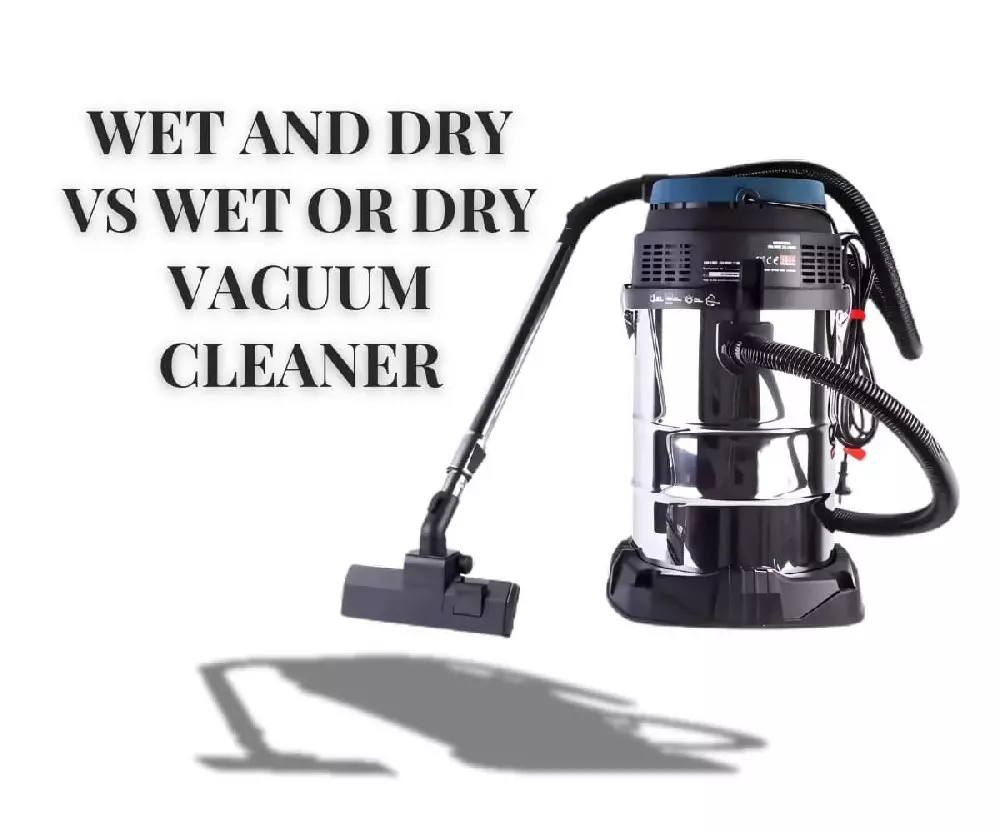
'wet and dry' vs 'wet or dry' vacuum cleaner
2025-02-12
Table of content
When it comes to tackling a variety of cleaning tasks, choosing the right vacuum cleaner can make all difference. Choosing the right one can feel overwhelming, especially when you come across terms like "wet and dry" vs. "wet or dry.
Although both types are designed to handle spills and debris, the difference lies in their versatility and suitability for diverse environments.
Wet and dry or wet or dry vacuum cleaner? This blog explores each type's unique features, benefits, and limitations, providing insight into which may be best suited based on your cleaning requirements.
What is a wet and dry vacuum cleaner?
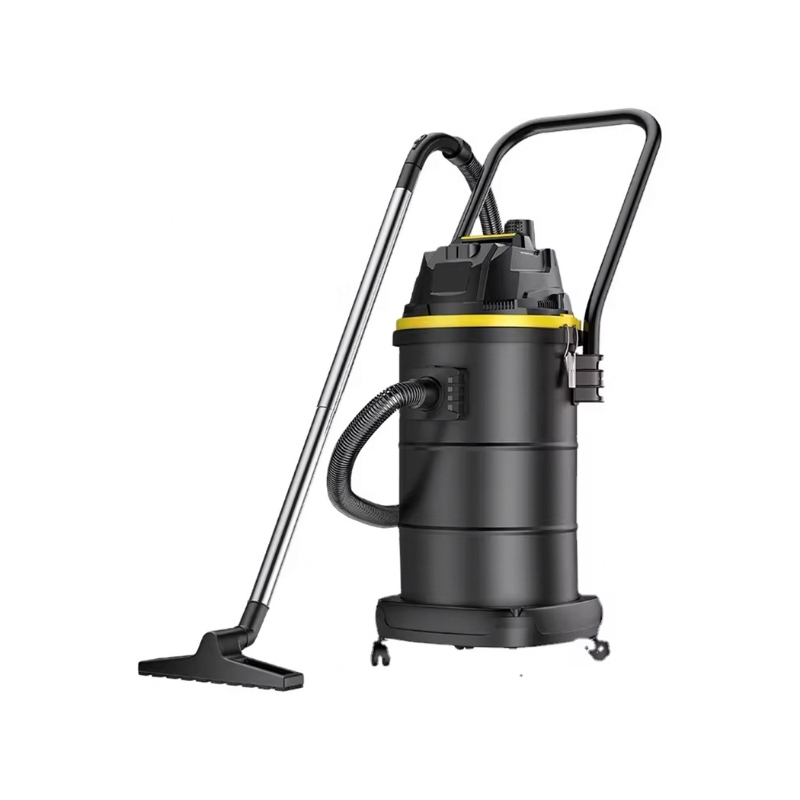
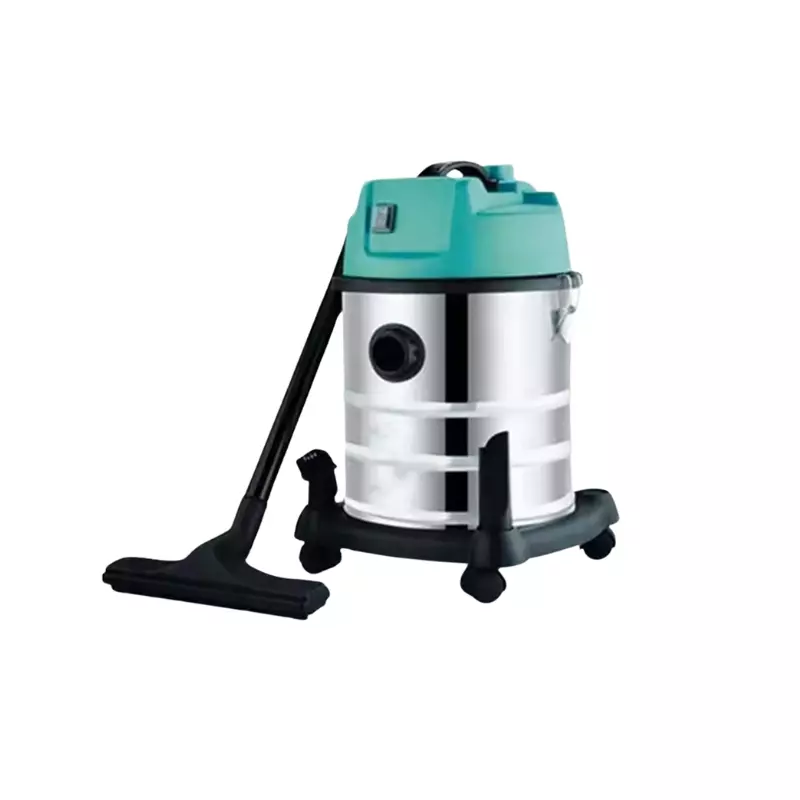
A wet and dry vacuum cleaner, also known as a combination vacuum cleaner, is a versatile device that can handle both dry debris (like dust, debris, or dirt) and wet messes (like spilled liquids, wet mud, and even small puddles).
Wet and dry vacuum cleaners typically use a dual-chamber system that separates solids and liquids into two buckets. As debris is sucked into the vacuum cleaner, it moves along the duct. The airflow over the bucket is reduced, loosening the air clamp so that heavier liquids and dirt can fall into the container. This option allows you to seamlessly switch between cleaning jobs without having to drastically switch settings or change attachments.
Benefits of a wet and dry vacuum cleaner
Versatility – They are designed to withstand a variety of cleaning environments and can clean up both wet and dry messes, making them suitable for homes, workshops, garages, and commercial spaces.
Convenience – Most wet and dry vacuum cleaners come with multiple attachments, such as crevice tools, nozzles, and brushes, allowing one machine to handle multiple tasks. No need to use separate cleaning tools, saving time and energy.
Cost-effectiveness – Consumers don’t have to buy two separate machines, which can save them a lot of money overall.
Heavy-duty cleaning – Wet and dry vacuums usually have powerful motors, large water tanks, and are made of durable materials to effectively remove large spills, thick dust, and stubborn dirt. However, they may not generally have the same suction power as wet vacuums designed specifically for liquid messes.
Disadvantages of wet and dry vacuums
Bulky design – Due to their larger tanks and dual-function design, wet and dry vacuums are larger and heavier than traditional or single-function vacuums. This makes it more difficult to store and move.
High maintenance requirements – These vacuums often require additional maintenance, such as cleaning the tank, filter, and hose more frequently to avoid clogging or mold buildup.
Upfront costs may be higher – Although wet and dry vacuums have multiple functions, their initial cost may be higher than single-function vacuums.
Noisy operation – Due to their high-powered motors and rugged design, wet and dry vacuums can be noisier than household vacuums.
Wet or dry vacuum cleaner
Wet vacuum cleaners
Wet vacuum cleaners are designed for cleaning up liquids and moisture. Whether it's a burst pipe or Mother Nature causing a flood, draining the water quickly is critical to recovery efforts. These vacuum cleaners use powerful suction to collect liquids into a separate compartment, protecting the motor and electrical components from damage.
Advantages of wet vacuum cleaners
Powerful suction for liquids: Wet vacuum cleaners excel at removing water and other liquids. They are ideal for deeper hygienic cleaning on wet surfaces, such as tile floors or bathroom areas.
Durable design: Designed to handle moisture without the risk of electrical issues or damage.
Disadvantages of wet vacuum cleaners
Limited uses: Since wet vacuum cleaners are designed to handle liquids, they are not suitable for cleaning up dry debris such as dust, dirt, or pet hair.
Heavier and bulkier: Wet vacuum cleaners may be heavier and less compact than other types of vacuum cleaners.
Dry vacuum cleaner
Dry vacuum cleaners, on the other hand, are designed to handle dust, dirt, and debris. From carpets to hardwood floors, these vacuum cleaners are a great choice for everyday cleaning. When a vacuum cleaner works, air is drawn into the device. The air then typically passes through a HEPA or other filter to remove any remaining microscopic impurities so that only clean air is exhausted back into your space.
They come in a variety of types, including upright, canister, handheld, and robotic vacuum cleaners, each with unique features to suit different cleaning preferences.
Advantages of dry vacuum cleaners:
Versatility: With options like adjustable suction, multiple attachments, and even robotic models, dry vacuum cleaners can be customized for a variety of surfaces and cleaning tasks.
Lightweight and convenient: Many dry vacuum cleaners are designed to be easy to maneuver and store, making them a practical choice for the home.
Deep cleaning capabilities: They can suck out dirt and dust from deep inside carpets and upholstery.
Disadvantages of dry vacuum cleaners:
Cannot handle liquids: Dry vacuum cleaners are not designed to handle liquids. Using a dry vacuum cleaner to suck up liquids can damage the unit and void your warranty.
Comparing separate vacuum cleaners for wet or dry cleaning: Is it worth it?
Owning both a wet vacuum cleaner and dry vacuum cleaner can offer significant benefits, but there are also drawbacks. On the plus side, each machine performs best at the cleaning task. Wet vacuum cleaners have better-sealed tanks to hold liquids, and they often have more powerful suction systems. Dry vacuum cleaners focus on collecting debris and may have finer filters and more precise hose attachments for better dry cleaning. Also, because these vacuum cleaners are purpose-built, they are often simple, requiring minimal setup or adjustments. This makes them suitable for home and light commercial use where durability isn't as important.
The drawback, however, is the added cost and storage requirements. Buying two separate machines can cost more upfront, and finding space to store both can be difficult, especially in smaller homes. Also, switching between the two vacuum cleaners depending on the task can be less convenient than having a dual-function model. This makes them less suitable for multi-use areas. But if you primarily only need one type of cleaning (wet or dry), they may be more economical.
How to choose between a wet and dry vacuum cleaner (combination model) and a separate wet or dry vacuum cleaner?
Choosing between a wet and dry vacuum cleaner (combination model) and a separate wet or dry vacuum cleaner depends on your cleaning habits, the types of messes you clean, your budget, and the space you have for storage. Here's a simple guide to help you make the best decision for your needs.
The types of messes you clean
If you typically deal with one type of mess more often, consider buying a separate vacuum cleaner. For example, if you primarily clean dry dirt, dust, and pet hair, a dry vacuum cleaner will do the job. If you frequently clean up liquid stains, such as large spills or flooded areas, a wet vacuum cleaner designed specifically for liquids will provide more suction power. A combination vacuum cleaner is the most convenient option if you want to use the same vacuum cleaner to clean up liquid spills, dirt, and dry debris. This is especially useful in areas where spills often occur, such as kitchens, bathrooms, or garages.
Budget
Combination models tend to be more expensive because they offer the flexibility to handle wet and dry stains. If you're looking for one vacuum to handle both cleaning types, the higher price may be worth it.
If you're on a budget and only need one vacuum for either wet or dry stains, buying a standalone vacuum may be a more affordable option.
Storage space
Combination vacuums are a great space saver because they combine the functionality of a wet and dry vacuum into one machine.
Cleaning habits
If you want a vacuum that can quickly switch between wet and dry modes, a combination mode vacuum is ideal. If you prefer to focus on one cleaning style and don't mind using two vacuums, standalone models may be a better fit. They offer specialized performance and are easier to maintain.
Conclusion
The choice between a wet and dry vacuum cleaner (combination model) and a wet or dry vacuum cleaner (standalone model) depends on your unique cleaning needs. Combination models offer versatility, allowing you to tackle both wet and dry messes with one machine, making them ideal for homes or spaces where spills and debris are common. Standalone vacuum cleaners, on the other hand, are more specialized, meant for single-purpose tasks, and offer superior performance at a low cost and easy maintenance.
Choosing the right vacuum cleaner is essential for an efficient cleaning experience. Explore BISON's wide range of vacuum cleaner models today to find the best vacuum cleaner for your cleaning needs. Whether you're looking for a combination model or a professional vacuum cleaner, we have the right solution for you!

related blog
Acquire all kinds of knowledge from professional China factory
Pressure washer is surging/pulsing: An in-depth comprehensive guide
This comprehensive guide will help you understand pressure washer surging/pulsing, including the issue, its causes, how to diagnose it, and ultimately, how to fix it.
Generator runs for a few seconds then stop (How to fix?)
Is your generator runs for a few seconds and then stop? Don’t worry, we’ve got you covered. Read this post to know the reasons and also how to fix this problem.
generator low voltage output causes and solutions
So, what causes generator low voltage? How can you identify them? We'll cover all of these causes below to help you use a properly working generator.
related product
Quote high quality products from professional China factory