horizontal engine factory
BISON offers a wide range of horizontal shaft engines at competitive prices, from 2.5 to 16 horsepower, suitable for various commercial applications such as:
- Small push mowers
- Small generators
- Other small construction or commercial equipment
Get reliable horizontal shaft engines directly from an OEM in China at wholesale rates.
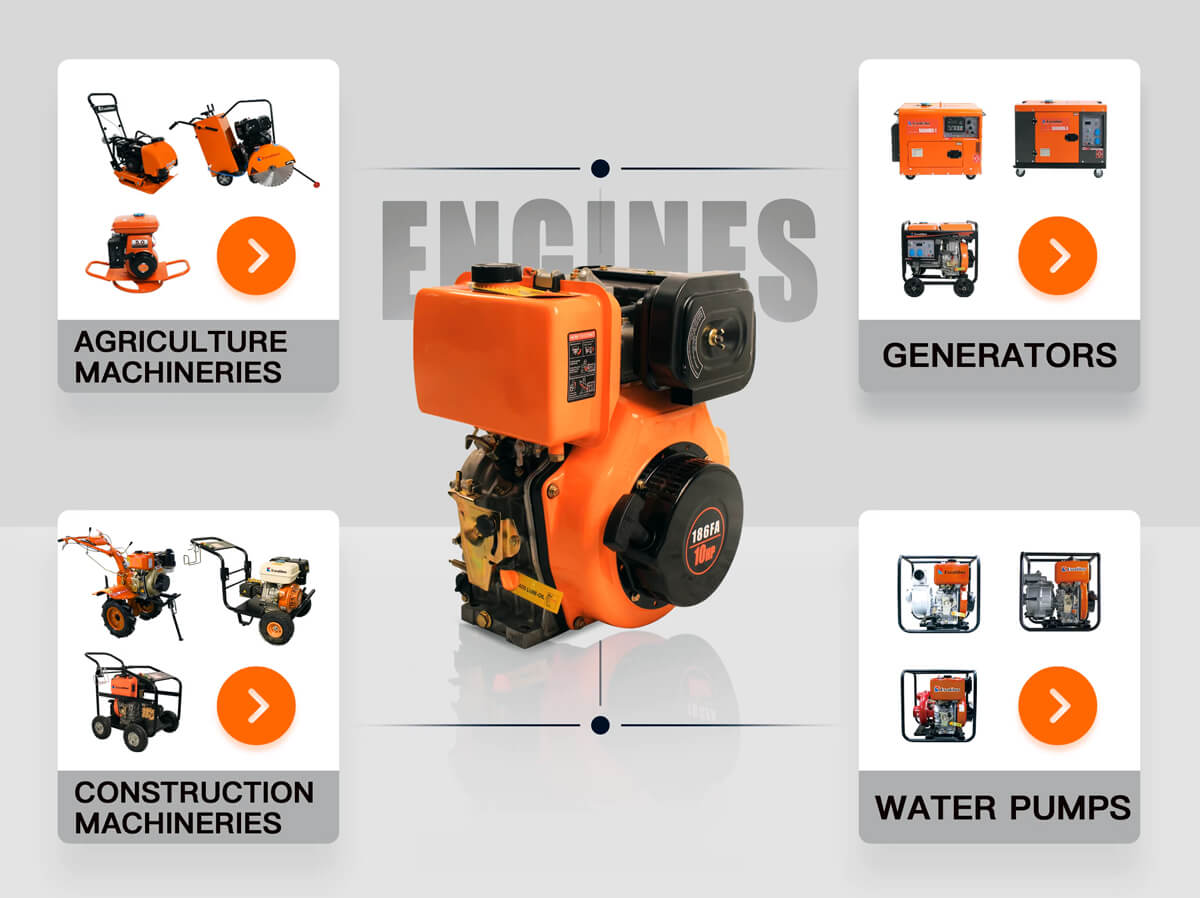
-
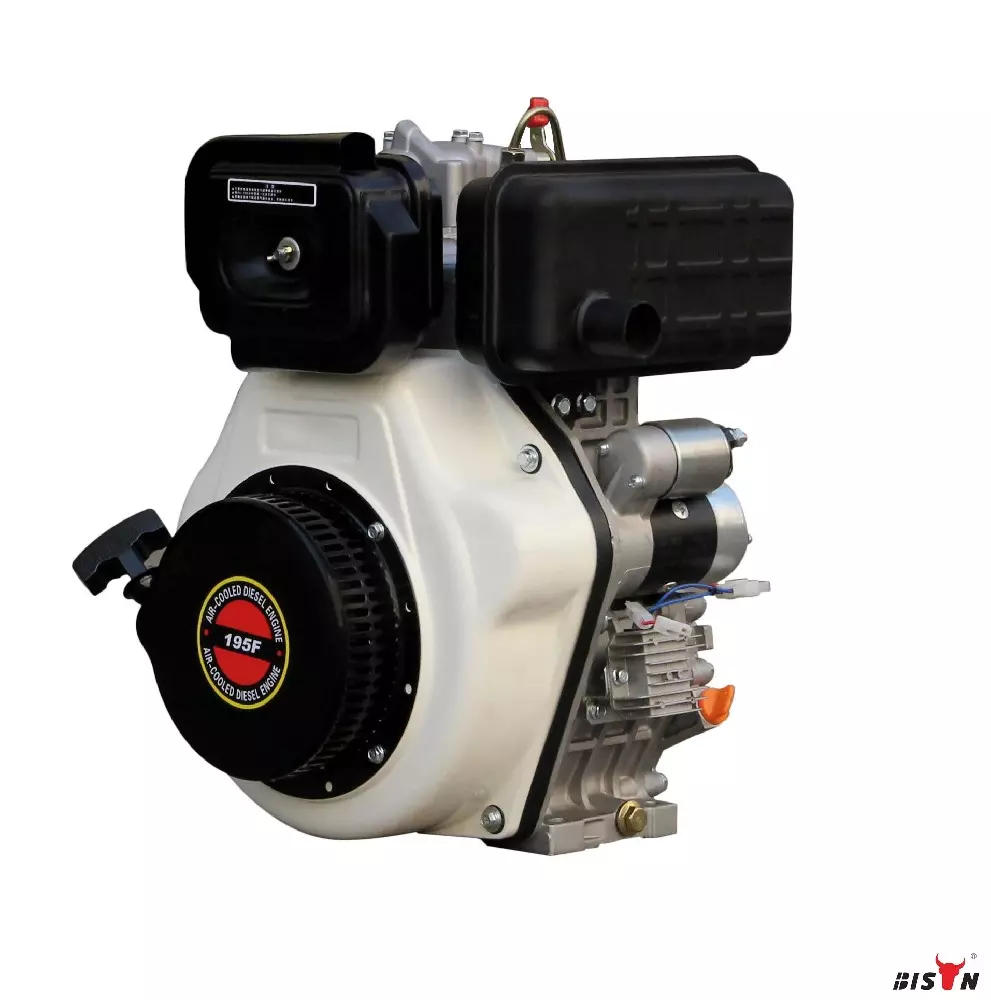
195F 15HP diesel engine
-
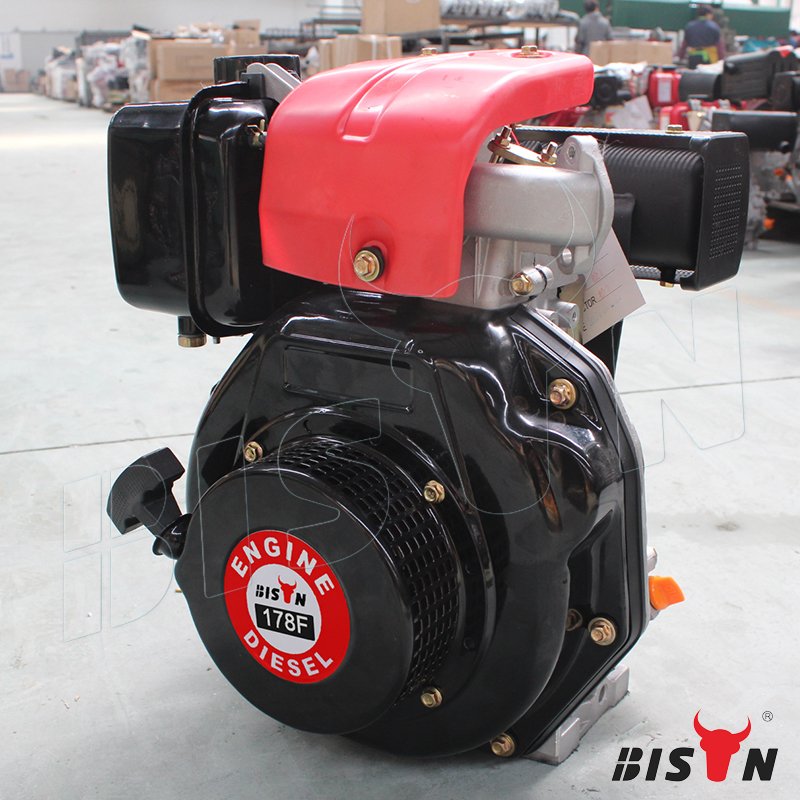
178F 6HP 4-stroke diesel engine
-
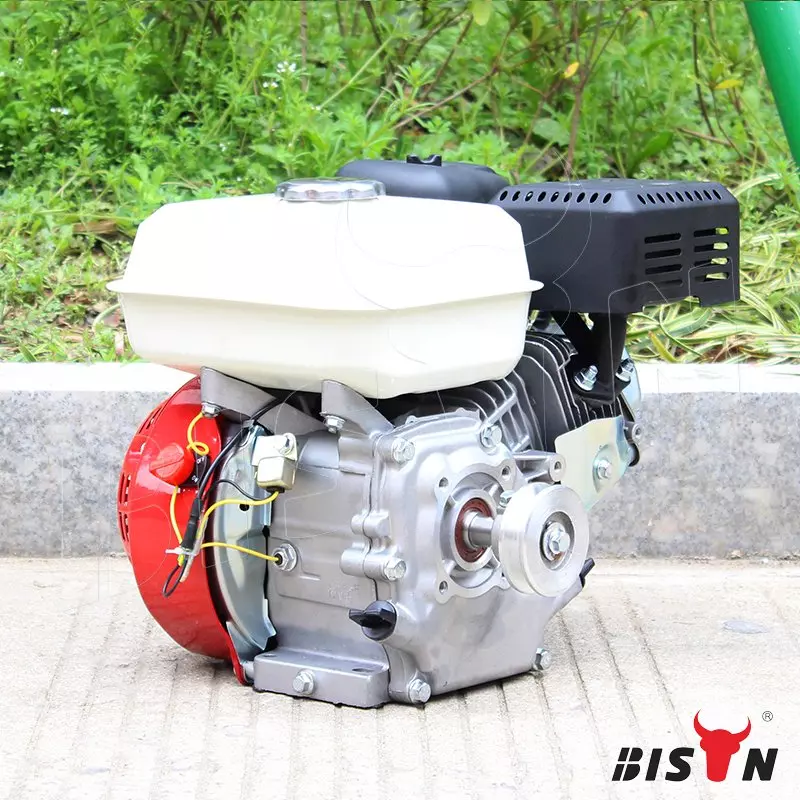
168F 4 stroke gasoline engine with pulley
-
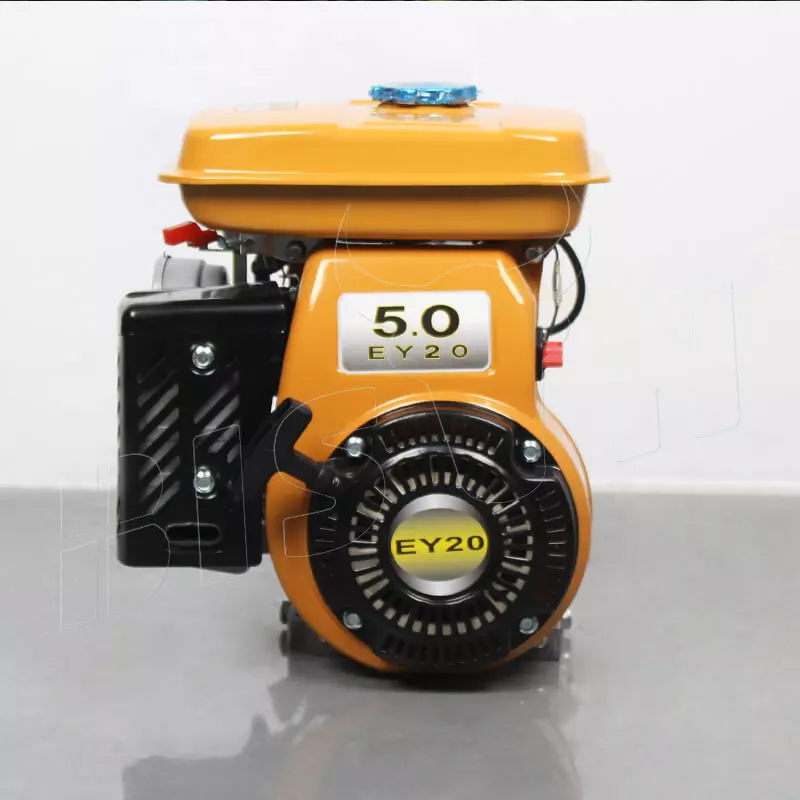
5hp robin gasoline engine ey20
-
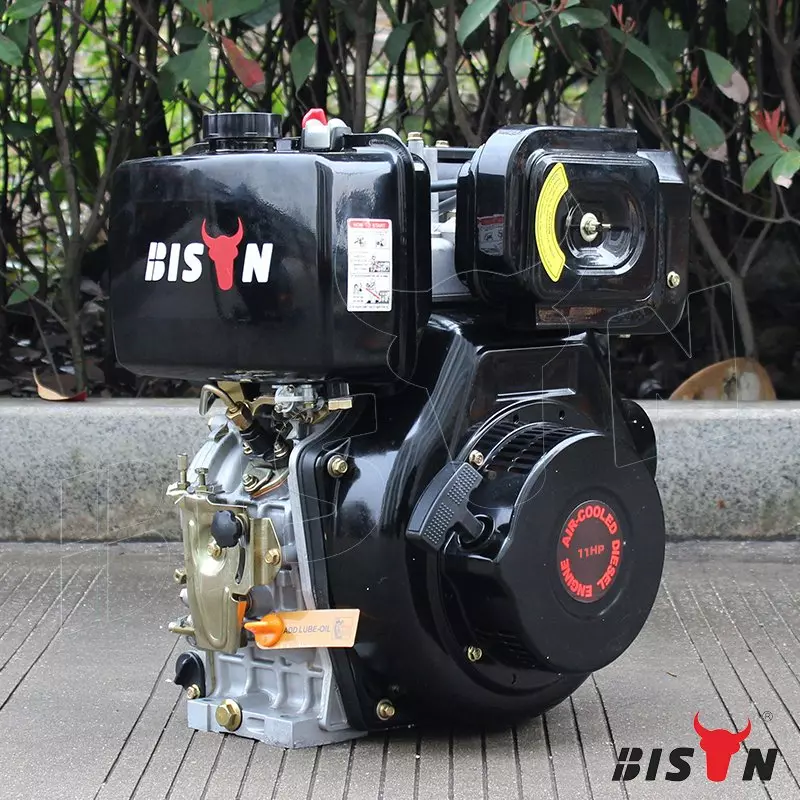
188F air-cooled diesel engine 11HP
-
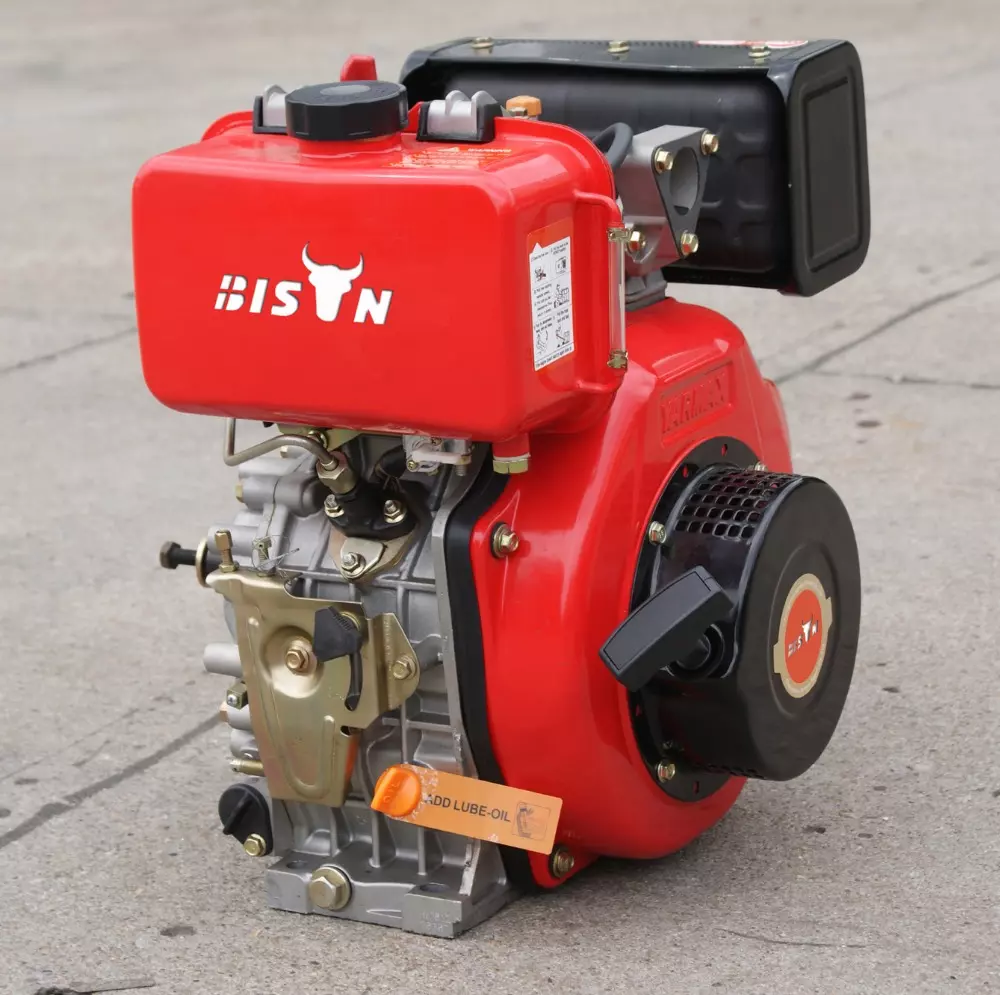
186F 10HP small diesel motor
-
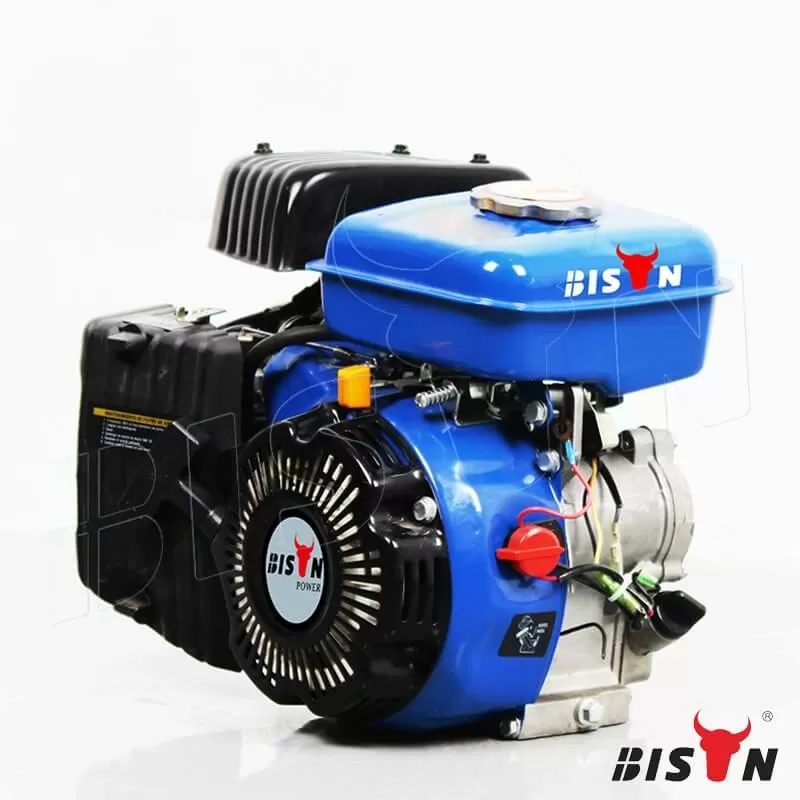
3HP gasoline engine 156F
-
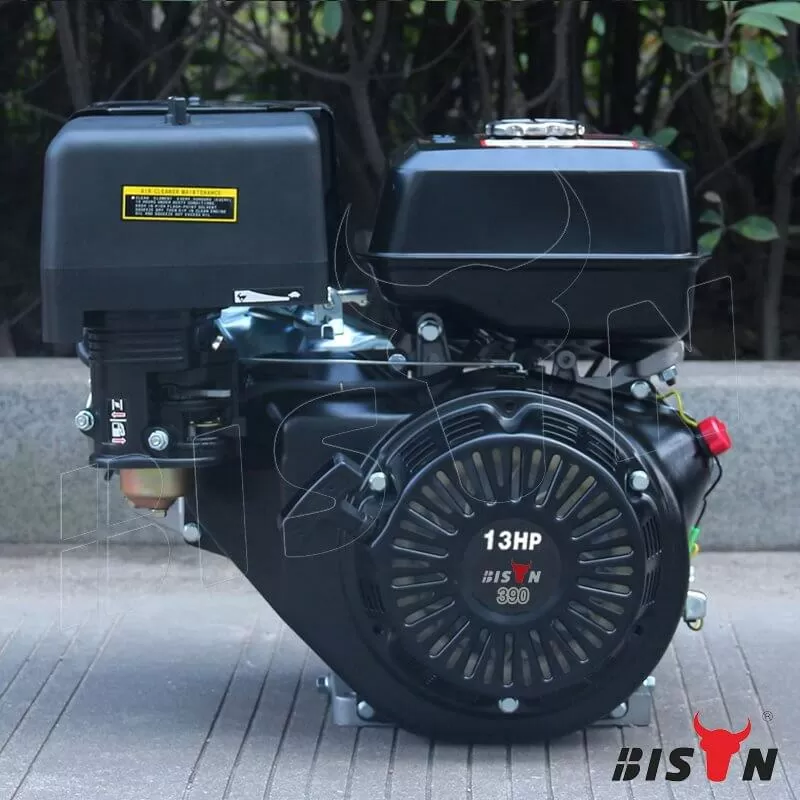
188F 390cc petrol engine
-
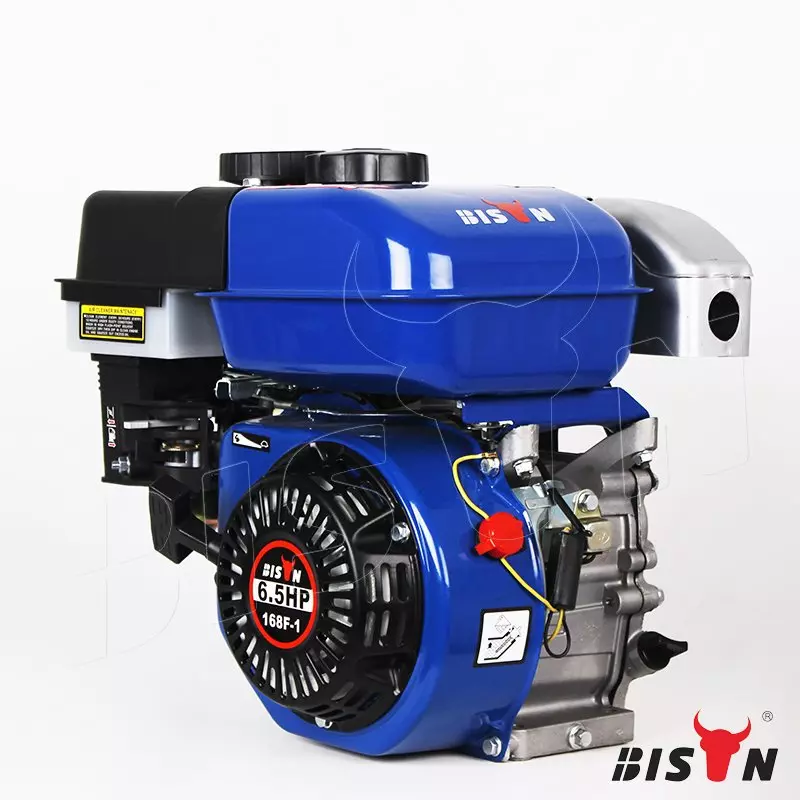
6.5hp horizontal gasoline engine
-
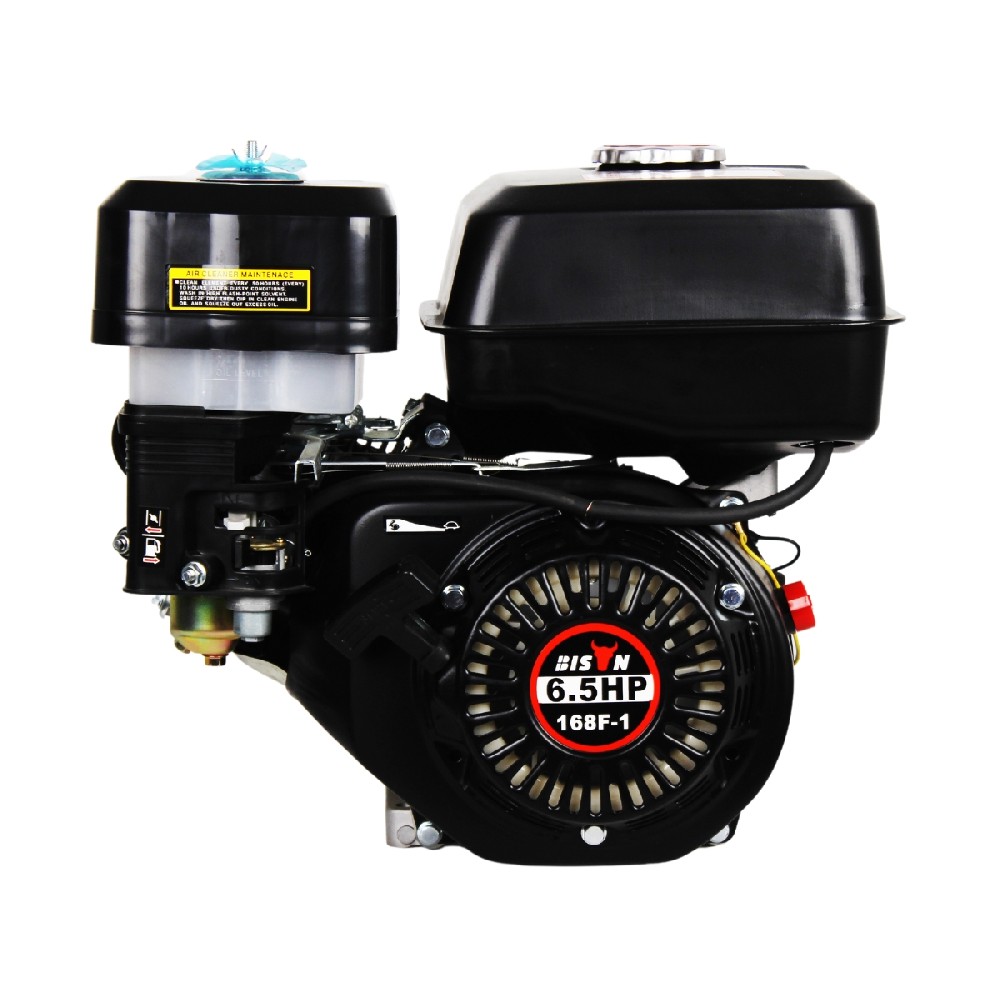
OHV 168F-1 small portable engine
Manufacturing company that makes horizontal engine product
CONTACT UShorizontal engine Wholesale Guide
Horizontal engines, also called flat or boxer engines, are a type of internal combustion engine where the pistons move in opposite directions on a horizontal plane. This “horizontally opposed” design creates a low, balanced profile that improves stability and reduces vibration, making it ideal for certain applications.
In this article, we’ll explore the main advantages, disadvantages, and uses of horizontal engines, helping you understand why this unique design remains popular across industries.
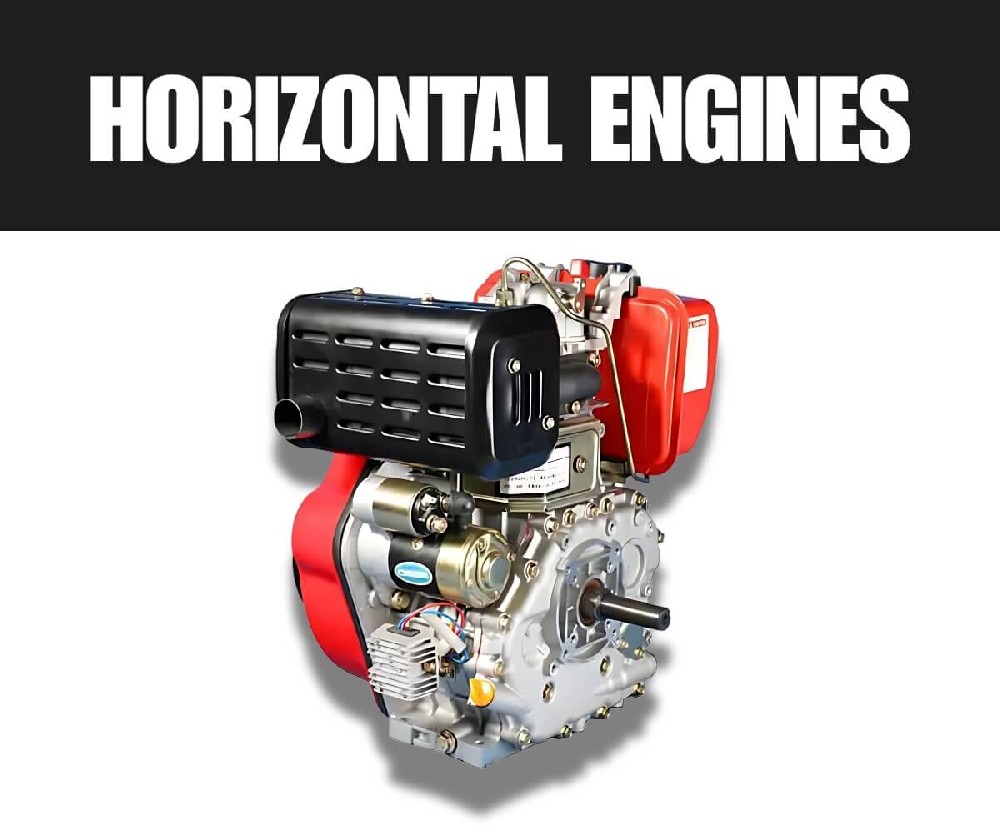
Types of horizontal engines
Horizontal engines come in various forms, all sharing horizontally arranged pistons but differing in purpose and strengths.
Horizontal diesel engines – durable and fuel-efficient, these engines are widely used in generators, heavy machinery, and marine equipment. Their robust build makes them ideal for demanding industrial and agricultural work.
Horizontal gasoline engines – running on natural gas or gasoline, these engines are common in power generation and light industrial applications. They offer cleaner operation and cost-effectiveness, making them suitable for continuous power supply.
Specialty configurations: opposed-piston & boxer engines – opposed-piston engines have two pistons in a single cylinder, moving toward and away from each other for improved efficiency and reduced heat loss. Boxer engines position pistons opposite each other in separate cylinders, creating excellent balance, smoother operation, and a low center of gravity, ideal for motorcycles, sports cars, and aircraft.
How do horizontal engines work?
A horizontal engine, or boxer engine, has pistons arranged in pairs that lie flat and move in opposite directions. When one piston moves out, the other moves in—like a boxer throwing punches. These pistons connect to a central crankshaft, which converts their back-and-forth motion into rotational power to run the engine.
This design differs from other engine types. Inline engines have pistons in a straight line, making them taller but simpler. V-type engines arrange pistons in a “v” shape, allowing more cylinders in a compact space.
Horizontal engines spread their pistons horizontally, creating a low center of gravity and excellent balance. This reduces vibration, runs smoothly, improves stability, and allows engine frames to be stiffer and more spacious.
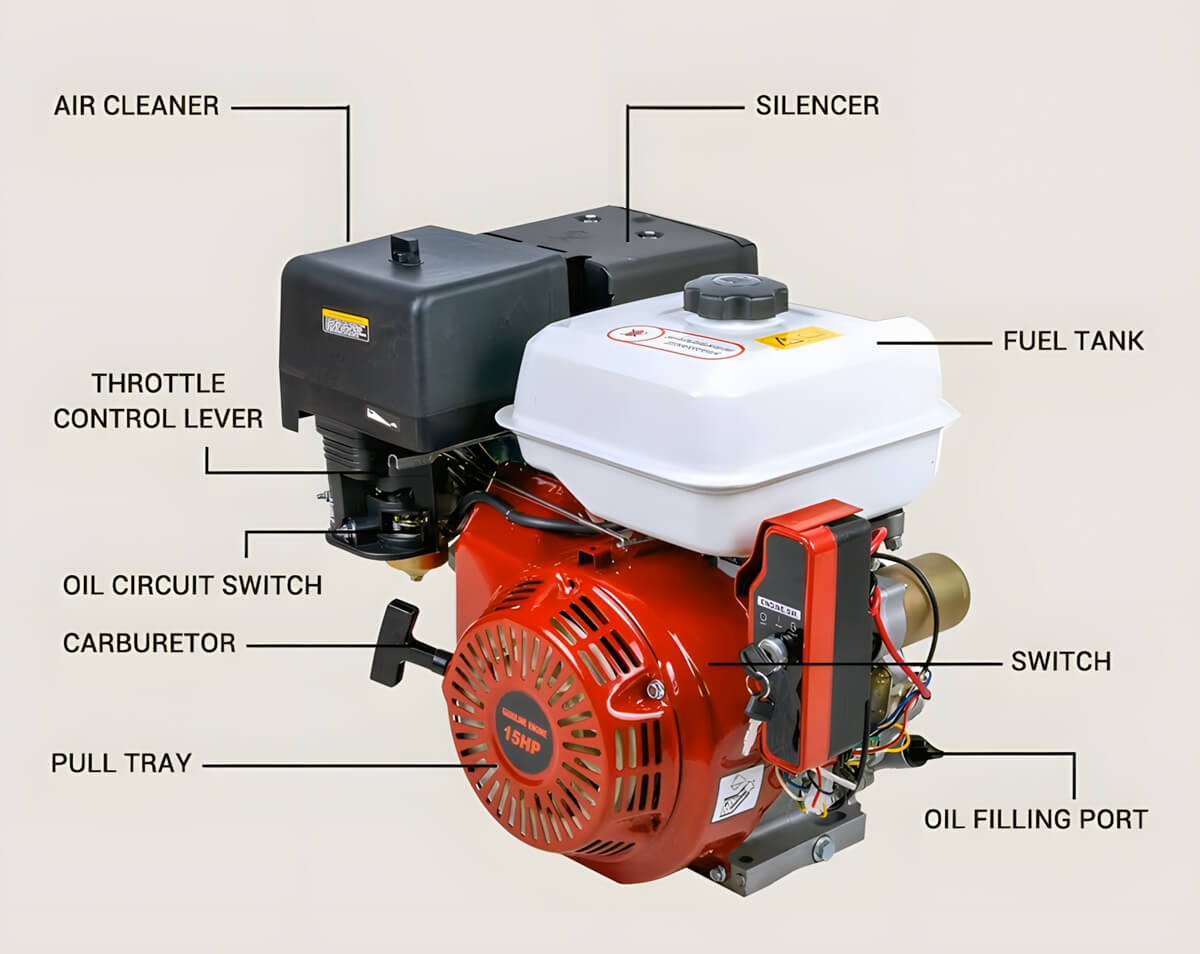
Advantages of horizontal engines
Horizontal, or boxer, engines offer several unique benefits:
Low center of gravity: the flat piston layout lowers the engine in the machine, improving stability.
Reduced vibration: opposing pistons balance each other, resulting in smoother and quieter operation.
Compact design: their layout can enhance the power-to-weight ratio.
Aerodynamic benefits: in aviation, the flatter profile reduces drag and improves flight performance.
Fuel efficiency: horizontal engines often provide good fuel economy.
Disadvantages of horizontal engines
Despite their advantages, horizontal engines have some trade-offs:
Wider design: the flat pistons extend outward, making them harder to fit into compact vehicles.
Complexity and cost: more parts and precise engineering increase manufacturing costs and may make repairs more expensive.
Oil management issues: the flat design can cause oil to shift away from critical components, increasing lubricating oil consumption and the risk of wear or damage.
Challenging maintenance: components like spark plugs and exhaust parts can be harder to reach due to the low and wide layout.
Excessive wear: the bottom of the cylinder liner and piston can experience more wear, as they support the engine’s weight.
Where are horizontal engines used?
Horizontal engines are widely used across industries due to their stability, reliability, and efficiency.
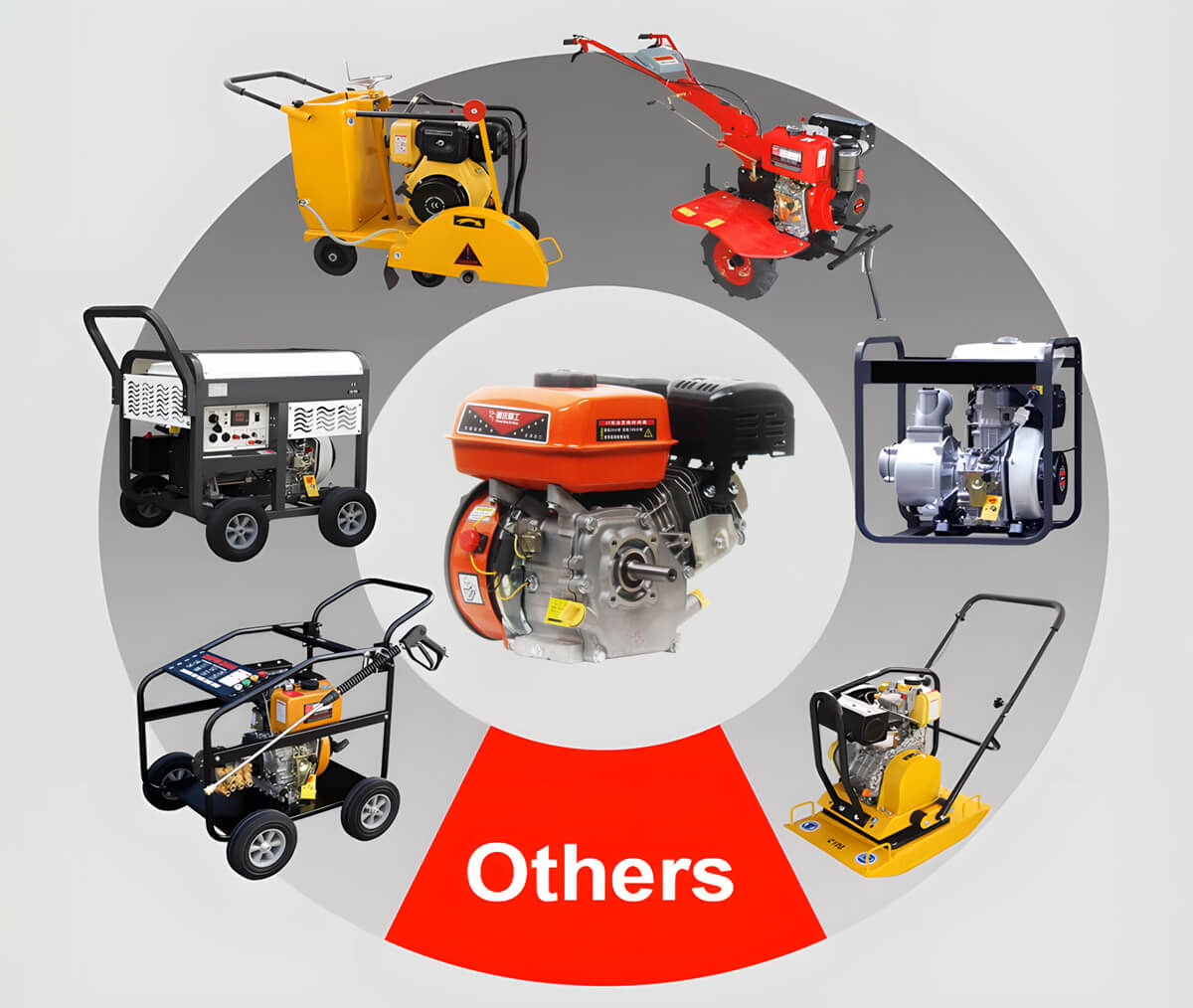
Home and garden equipment: ideal for garden tillers, log splitters, pressure washers, water pumps, and portable generators.
Marine applications: low, stable layout reduces vibration, keeping vessels balanced and making long journeys smoother.
Industrial power generation: provide dependable energy for factories, remote worksites, and backup power systems with steady long-term operation.
Mining and manufacturing: power heavy machinery with durability and consistent performance under demanding conditions.
Agriculture: perfect for tractors, tillers, and harvesters, offering smooth operation and efficient power for daily farm work.
Conclusion
Choosing the right horizontal shaft gas engine is crucial for ensuring your machine’s efficiency, stability, and power. Engine performance can vary by make and model, affecting ease of starting and long-term reliability.
As a professional engine manufacturer in China, BISON combines innovative design with dependable performance. Our horizontal engines are built for durability, efficiency, and consistent power to meet today’s industrial demands.
For high-quality horizontal engines with proven performance and long-term reliability, explore our products today. Why choose BISON?
Best prices worldwide
High-quality standards for peace of mind
Minimum one-year warranty on all engines
Complete spare parts available even after warranty
Expert technical support for your application
Dedicated sales team
Over 30 years of industrial engine experience
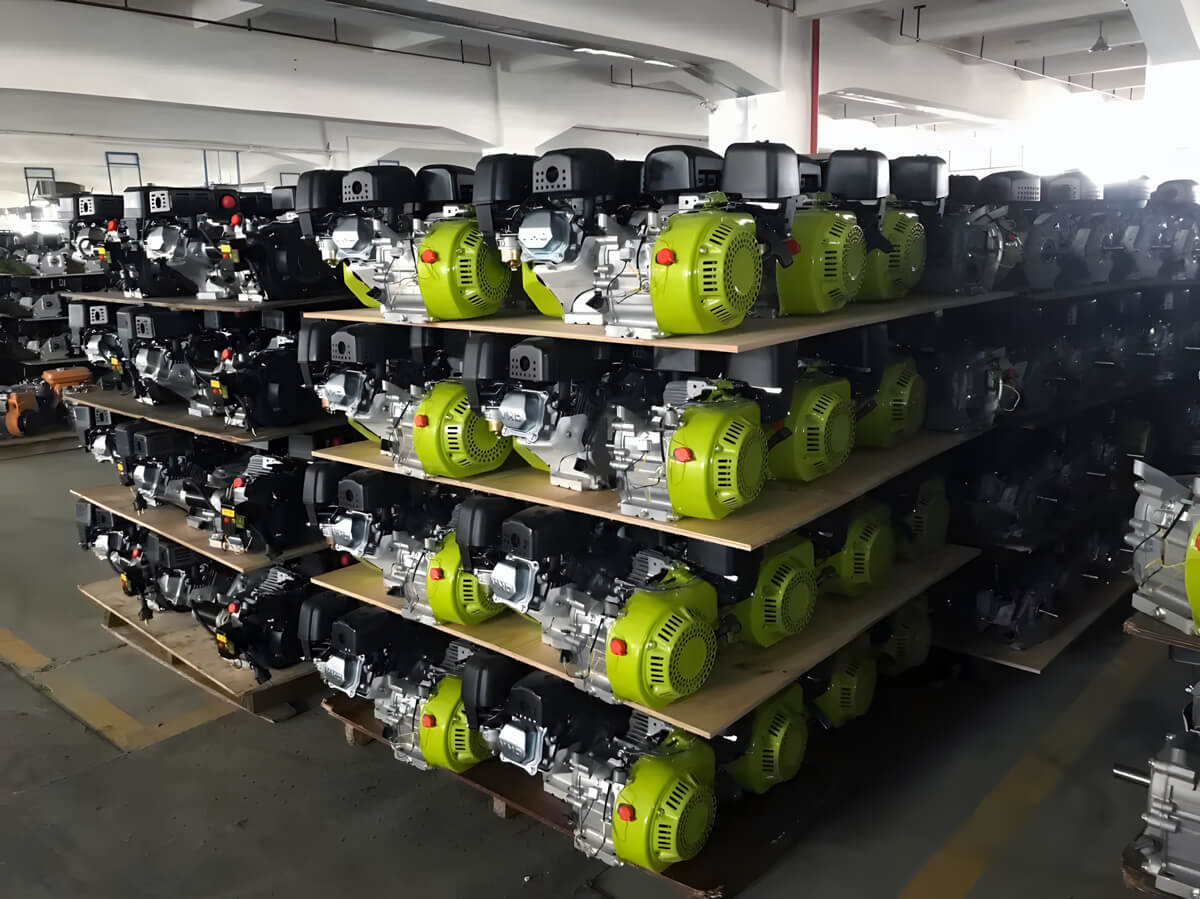
Table of content
Common FAQ
A holistic solution to your most common questions about BISON horizontal engines.
-
How to replace a horizontal engine?
engine selection
Choose an engine that matches the performance and cost requirements of your specific application. Selecting the right engine ensures optimal performance and value.
engine installation
Maintain the original engine specifications, including size, starter type and position, fuel tank location, fuel line routing, muffler position, exhaust direction, and accessories (e.G., deflector, spark arrestor). Reinstall all guards, shields, and safety devices, and replace any missing, worn, or damaged parts.
crankshaft clearance
Compare overall engine dimensions to prevent mounting interference during installation.
crankshaft matching
Ensure the new engine’s crankshaft matches the original in:
- Diameter
- Height (distance from base to crankshaft centerline)
- Length (distance from mounting face of oil seal/cover to end of crankshaft)
- Type (keyway, tapered, or threaded)
- Tapped holes for crankcase cover accessories (if applicable)
- Base mounting dimensions and bolt-hole spacing