What is an angle grinder used for?
2025-05-29
Table of content
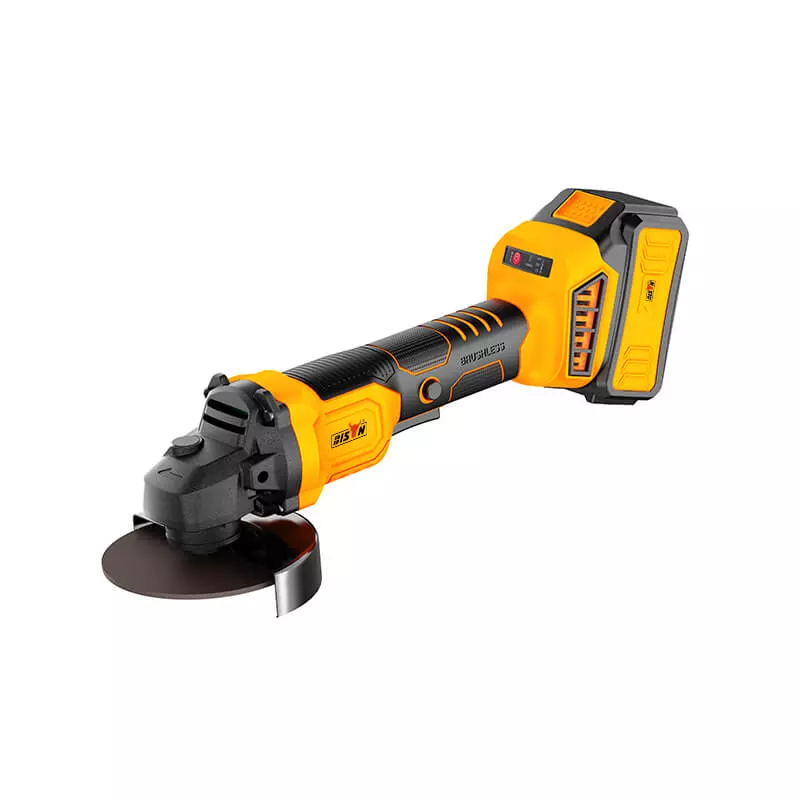
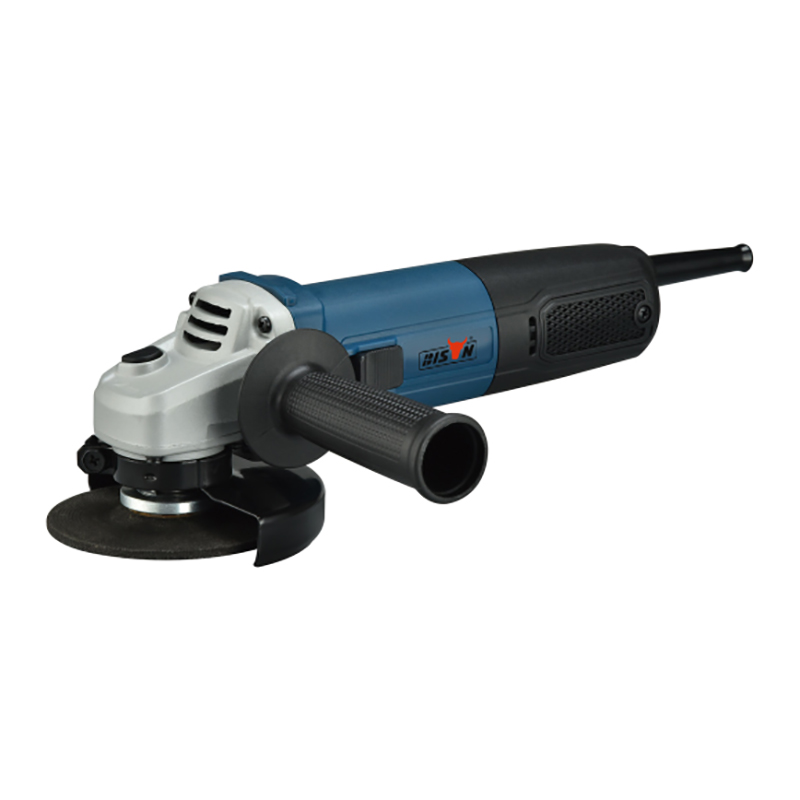
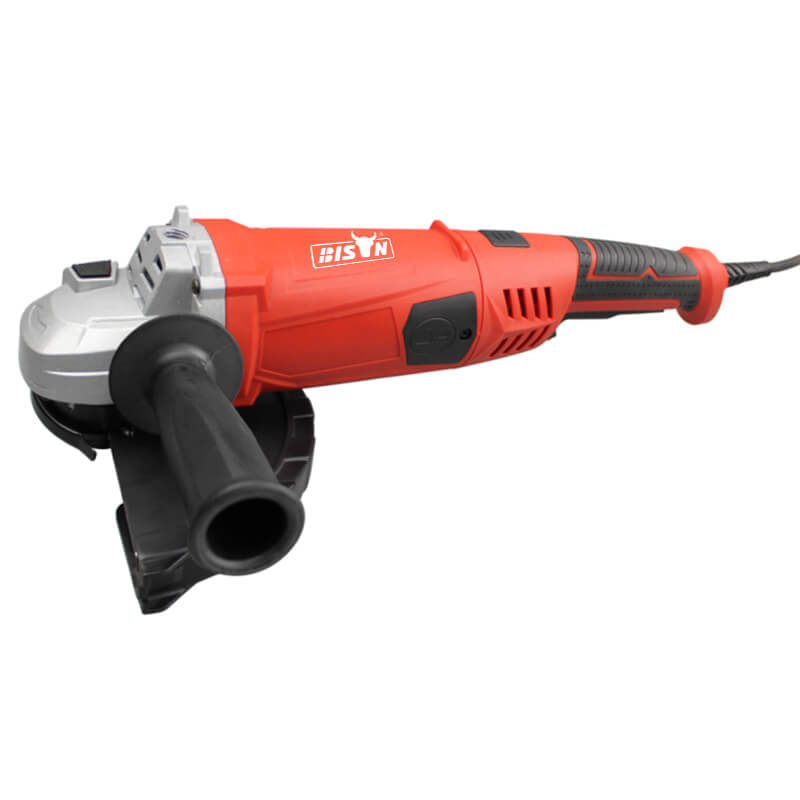
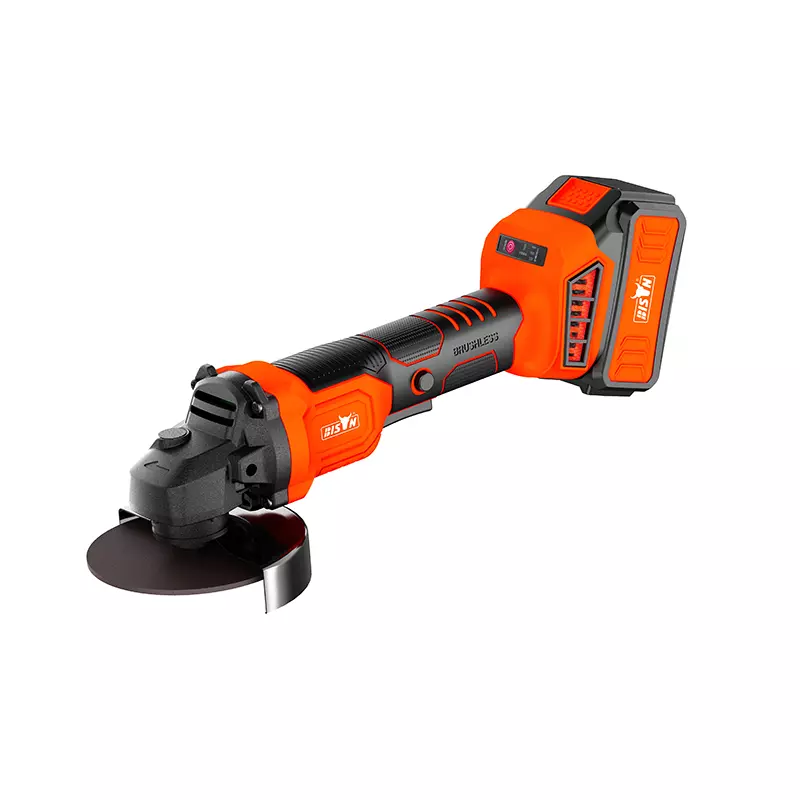
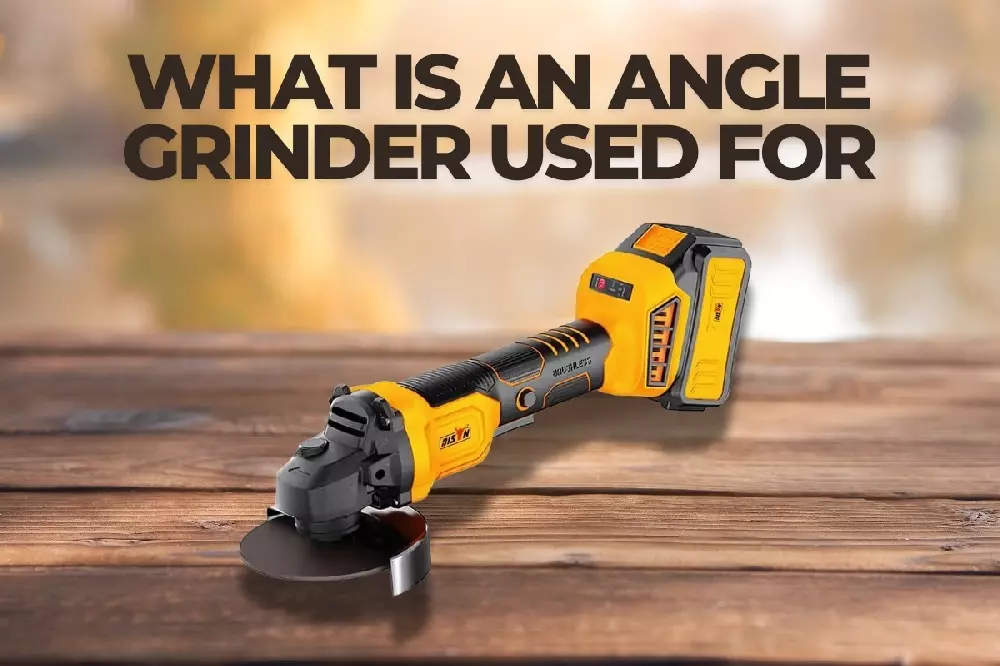
Angle grinder is a versatile handheld power tool with a rotating abrasive disc that can cut, grind, polish, and sand a variety of materials, from metal and stone to concrete and wood. The angle grinder traces back to the mid-20th century, when German manufacturers first developed handheld electric grinders to speed up metal cutting and surface finishing tasks in workshops and construction sites.
What makes angle grinders so important in both professional workshops and DIY environments is their adaptability. The same tool can be transformed from a metal cutter to a concrete grinder, rust remover, and even a polisher simply by changing attachments. Available in corded, cordless, pneumatic, and a variety of sizes, angle grinders have become a must-have for contractors, metalworkers, construction professionals, and home improvement enthusiasts.
Wondering what an angle grinder can be used for? In this article, BISON will explore the many uses and applications of angle grinders to help you understand how this tool can handle a multitude of tasks across different projects.
Types of discs and attachments for angle grinders
Before we get into what angle grinders are used for, it’s helpful to briefly understand what angle grinders use to get the job done.
Angle grinders come with a variety of attachments, usually grinding wheels, but sometimes also discs or blades. Each type of disc has a specific purpose, and choosing which disc to use with your angle grinder depends on your specific application and the material you’re working on.
Choosing the right disc depends on your application and material. Common angle grinder disc sizes in the US run 4 to 12 inches, with 4.5 and 5 inches most popular, while 115mm and 125mm dominate outside North America. Using the right disc ensures better results and safer operation.
Cutting blades
The type of cutting blade depends on the hardness, thickness, and metal it is made of. Sharp cutting blades reduce pressure required and improve comfort. These cutting blades are designed to cut the following materials:
Metal cutting blades: onded with abrasives to cut steel, aluminum, and other metals. Very thin (usually 1/16 inch or thinner) for narrow, clean cuts on thin-gauge metal, tubular workpieces, and metal pipes. Thicker, heavy-duty variants provide more stability but are thinner than grinding discs, making them prone to bending if forced through metal too quickly.
Masonry cutting blades:Contain diamond grit or special abrasives (such as diamond-tipped disc designs) to cut concrete, brick, stone, and tile. Steel core with synthetic diamond grit outer layer resists wear and cuts cleaner than standard grinding wheels. More durable than metal cut-off discs but risk chipping if forced or using worn wheels.
Multi-material cutting wheels: Handle wood, plastic, metal, and masonry, ideal for mixed-material projects. Three-tooth wood cutting wheels or wood carving wheels work for trimming smaller wood pieces.
Grinding and flanging wheels
Grinding wheels are thicker and more durable than cut-off wheels and are used to remove material and shape surfaces, whether it's finishing welds or preparing carbon steel for painting.
Choosing the right wheel depends on desired surface finish—polished stainless steel requires more steps than roughing up carbon steel to improve paint adhesion.
Metal grinding wheels: Typically about 1/4 inch thick with depressed center; smooth welds, remove burrs, and shape metal surfaces.
Stone grinding wheels: Diamond-studded or made with special abrasives; grind stone, concrete, and masonry materials.
Coarse vs. fine grit: Coarse wheels (lower numbers) remove material faster but leave rougher surfaces; fine wheels (higher numbers) remove slower but finish smoother.
Rust removal wheels
When you need to sand and finish a surface, the following wheels are ideal:
Flap wheels: Made of overlapping pieces of sandpaper arranged in a petal-like pattern, flap wheels are suitable for grinding and sanding. They provide a smoother finish than abrasive discs and last longer than standard sandpaper sheets.
Sanding wheels: Flat wheels with sandpaper on one side that are fixed to a backing. They are available in a variety of grits to suit different levels of smoothness. Starting with a coarser grit helps remove coatings quickly and reduces wheel load, but may cause deeper scratches.
Surface preparation wheels: Non-woven wheels made of nylon fibers embedded with abrasives. They are gentler than other disc cleaners and excel at cleaning surfaces without removing as much material.
Wire brushes
Wire brushes remove mill scale—the non-uniform iron oxide layer on steel—using nylon or metal wire brushes paired with silicon carbide semi-flex or strip discs, avoiding chemical treatments. These attachments feature steel or brass wire bristles arranged in a circular pattern:
Cup brushes: With bristles facing forward, they effectively clean flat surfaces and remove rust, paint, and scale.
Wheel brush: The bristles extend outward from the rim, making it ideal for cleaning corners and irregular surfaces.
Knobbed wire brush vs. curled wire brush: Knobbed wire brushes are better for removing heavy rust and scale; curly wire brushes are gentler and better for lighter cleaning tasks.
Common uses for angle grinders
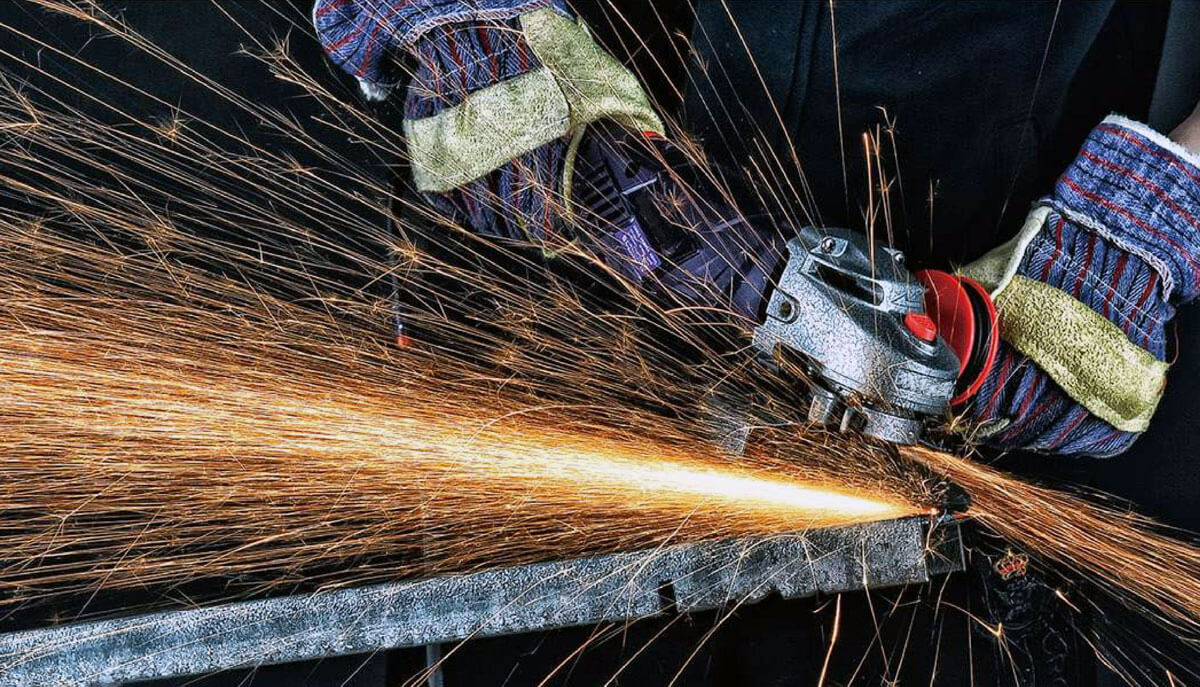
So what is an angle grinder used for? It handles a wide range of tasks on diverse materials at fast speeds. Their portability and grinding accuracy exceed fixed grinders. With the right accessories, they cut, grind, polish, paint, and clean complex materials including iron, copper, brass, brick, tile, stone, and mortar:
Cutting
One of the primary uses of an angle grinder is making clean cuts through various materials:
Metal cutting: Slice through rebar, metal pipes, sheets, bolts, and angles with cutting discs designed specifically for metal. Angle grinders are great for cleaning and cutting all types of metals and perform well on shortened metal pieces.
Tile cutting: Create precise cuts in ceramic or porcelain tiles for bathroom and kitchen installations. Angle grinders leave a clean, crisp edge on tiles and can work similarly to a wet tile saw.
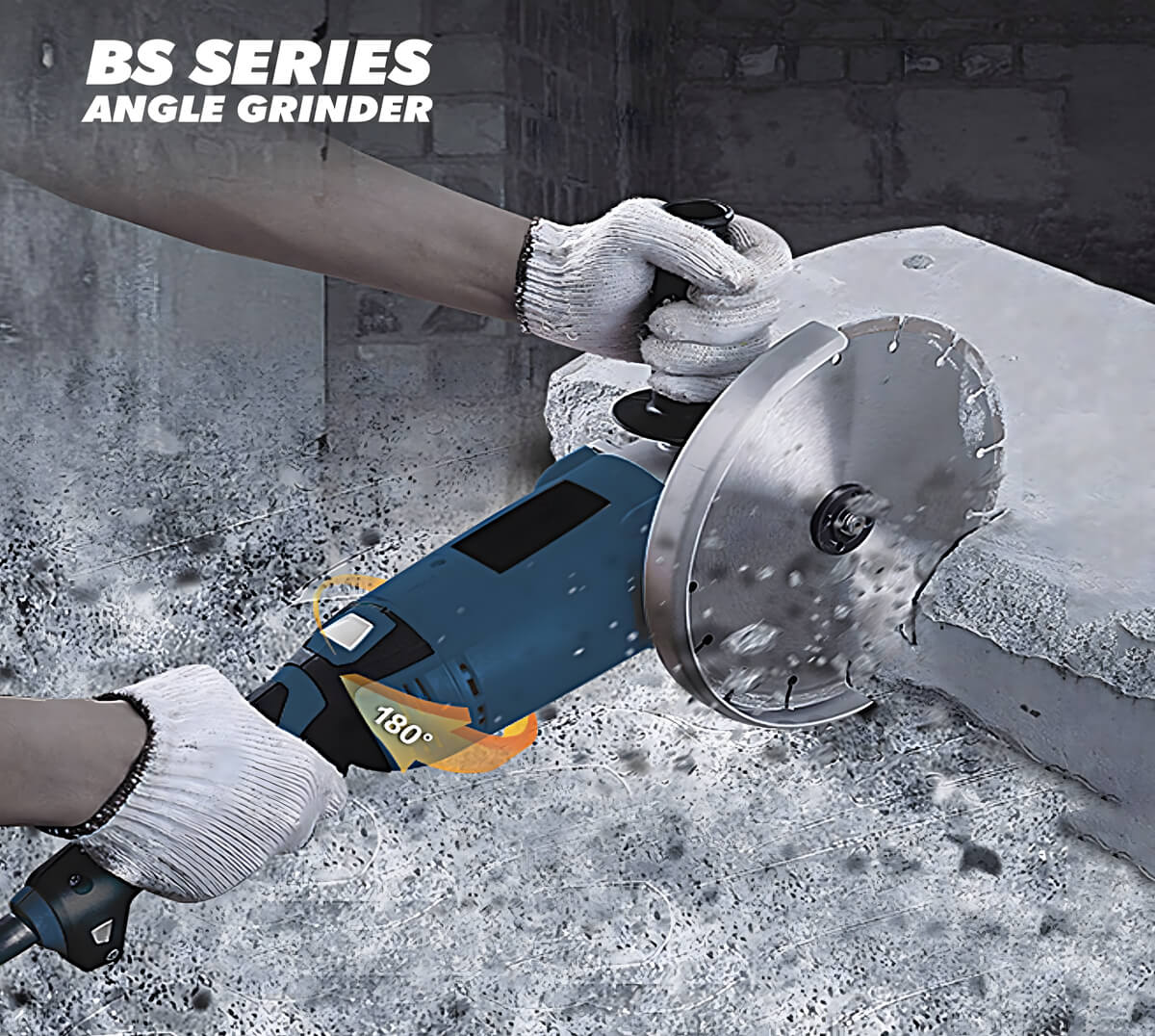
Masonry cutting: Masonry cutting: Cut through brick, concrete blocks, and stone with diamond or masonry wheels; small grinders enable precise, minor cuts. Some models support wet or dry cutting on concrete and pavers, depending on blade type and desired finish.
Asphalt cutting: Make controlled cuts in asphalt for road repairs using specialized cutting discs.
Grinding
When it comes to removing excess material or creating smooth surfaces, angle grinders excel:
Metal grinding: Smooth rough edges on metal workpieces, remove burrs, and prepare surfaces for welding.
Concrete grinding: Level uneven concrete surfaces or remove thin layers of concrete.
Weld grinding: Clean up and smooth welded joints for a professional finish.
Stone grinding: Shape and smooth stone edges for landscaping or decorative projects.
Polishing
With the right attachments, angle grinders transform into effective polishing tools:
Metal polishing: Achieve a mirror-like finish on stainless steel, aluminum, or brass using polishing pads. Soft polishing wheels add polish rather than removing material, unlike grinding discs.
Stone polishing: Create a glossy finish on granite, marble, or other stone surfaces.
Car detailing: Polish automotive parts or remove oxidation from headlights.
Jewelry making: Polish precious metals using smaller, precision angle grinders.
Sanding
Angle grinders with sanding discs deliver rougher finish than orbital sanders but power through tougher jobs faster, making them better for aggressive material removal rather than fine, polished finishes.
Fiberglass work: Shape and smooth fiberglass components for boats or automotive work.
Rust removal: Strip rust from metal surfaces quickly and effectively using wire wheel or brush attachments, preserving the healthy metal underneath.
Weld cleaning: Clean welding areas before and after welding for stronger joints.
Surface preparation: Prepare surfaces for painting, staining, or applying adhesives. Flapped sanding discs excel on hard surfaces but wear quickly on wood, even at finer grits; match disc to material.
Specialized applications
Beyond common uses, angle grinders are useful for specialized tasks:
Stone carving: Artists use diamond wheels to sculpt stone.
Wood carving: Specialized wood carving discs shape and texture wood. Angle grinders excel at rough shaping (tables, legs) and surface planing faster than hand tools. Nylon wire cup brush attachments strip char from heat-treated wood—such as the traditional Japanese Shou Sugi Ban process—significantly faster than sandpaper, though finer tools suit intricate work.
Mortar removal: Remove old mortar between bricks faster and easier than chiseling, reducing damage to bricks.
Concrete engraving: Create decorative patterns in concrete for aesthetic finishes.
Rescue operations: Emergency services use angle grinders to cut metal in vehicle extractions.
Beyond repair work, angle grinders serve specialized niches: knifemaking (blade shaping and beveling), automotive detailing (rust removal and weld smoothing), masonry restoration, woodworking shaping, and jewelry fabrication—each pairing specific discs to the task. The versatility of angle grinders makes them indispensable for professionals and DIY enthusiasts alike. By switching attachments, one tool can handle countless tasks across diverse materials and projects.
Conclusion: Find your perfect angle grinder
An angle grinder is definitely one of the most versatile tools in your workshop. Its main functions include cutting, grinding, and polishing materials such as metal, stone, and concrete with excellent precision and efficiency.
From cutting metal pipes and rebar to grinding welds, removing old mortar, polishing surfaces, and even carving wood, this power tool can replace a variety of specialized tools while taking up very little space. Whether you are a professional contractor, metalworker, DIY enthusiast, or someone who frequently undertakes home improvement projects, angle grinders can provide impressive value with their adaptability and efficiency.
If you are passionate about metalworking, DIY, or upcycling, consider buying an angle grinder. Remember, the quality of the angle grinder is crucial. BISON produces high-quality power tools that perform better and have important safety features. While the affordable option may seem tempting, professional-grade angle grinders have excellent durability, stable performance, and safer operation throughout their service life.
People also ask
What should you not cut with an angle grinder?
Avoid cutting pressurized containers, fuel tanks, or anything holding flammable residue, since sparks can ignite trapped vapors. Don't use a metal cutting disc on wood or plastic, or a masonry disc on metal—mismatched abrasives wear unevenly and can shatter mid-cut. Also avoid materials thicker than the disc's rated depth, and never attempt cuts near live electrical lines or gas pipework.
How do you use an angle grinder?
Fit the correct disc, tighten it securely with the supplied spanner, and reattach the guard before switching on. Hold the grinder with both hands, let it reach full speed before touching the material, and guide it at a slight angle using light, steady pressure—never forcing the cut. Keep the disc moving to prevent overheating, and always let it stop spinning fully before setting it down. view -> https://www.bisongenerator.com/Blog/use-an-angle-grinder.html
What's the difference between corded and cordless angle grinders?
Corded models offer unlimited runtime and higher power for continuous work. Cordless models offer portability but limited runtime per battery charge. For occasional DIY use, cordless is convenient; for daily professional use, corded is more reliable.

related blog
Acquire all kinds of knowledge from professional China factory
corded vs. cordless angle grinders
BISON will look at corded and cordless angle grinders, discussing their pros, cons, and key differences to help you choose the right tool for your needs.
How to use an angle grinder?
We've put together a guide to help you understand how to use an angle grinder and how to operate it safely. Using angle grinder correctly can significantly increase your productivity.
What is an angle grinder used for?
BISON will explore the many uses and applications of angle grinders to help you understand how this tool can handle a multitude of tasks across different projects.
related product
Quote high quality products from professional China factory