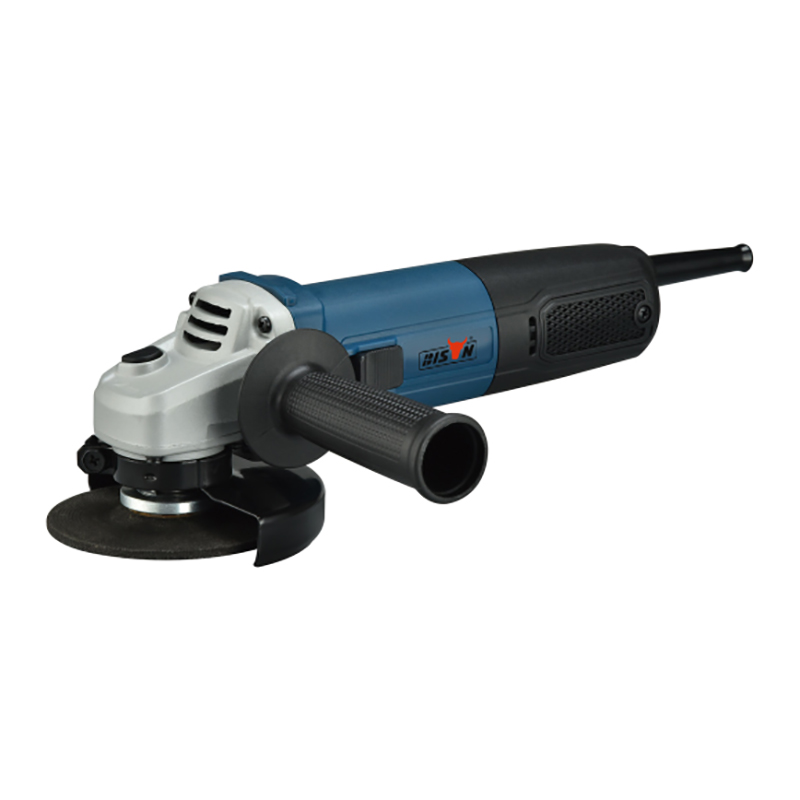
corded vs. cordless angle grinders
2025-02-27
Table of content
Angle grinders are versatile tools that can be used for everything from cutting metal, tile, and stone to removing mortar, grinding, and polishing metal surfaces.
However, there are two types of angle grinders - corded and cordless. Each type has its own unique advantages and limitations and choosing the right one can significantly impact your efficiency, convenience, and overall experience.
In this guide, BISON will look at corded and cordless angle grinders, discussing their pros, cons, and key differences to help you choose the right tool for your needs.
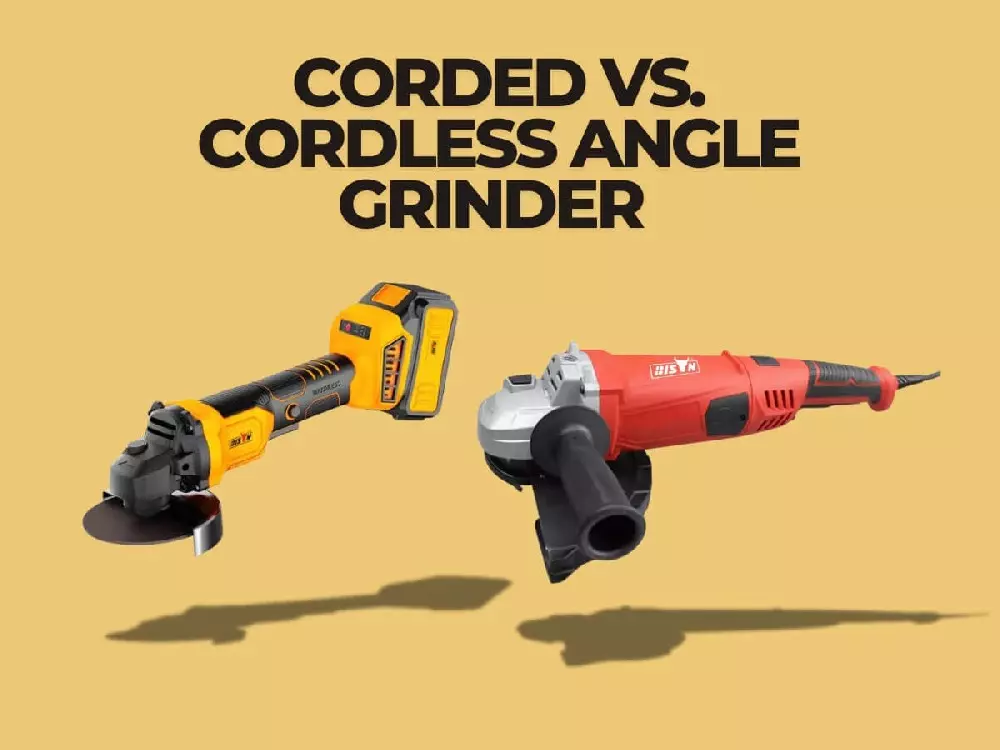
What is a corded angle grinder?
A corded angle grinder is a power tool that plugs directly into an electrical outlet. These angle grinders are equipped with an electric motor that drives a grinding disc or wheel at high speeds, enabling users to cut, grind, or polish a variety of materials.
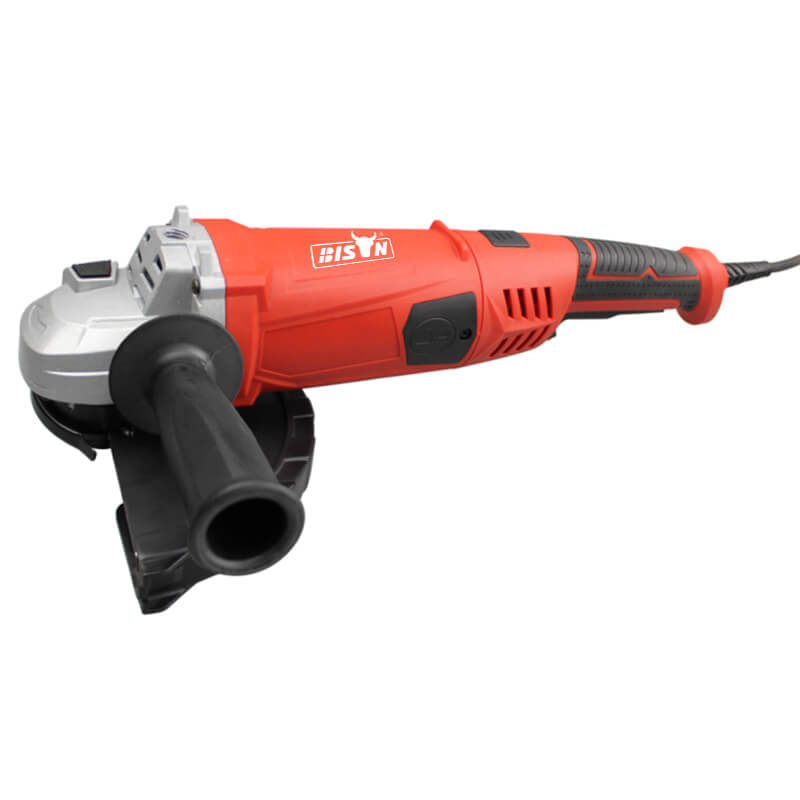
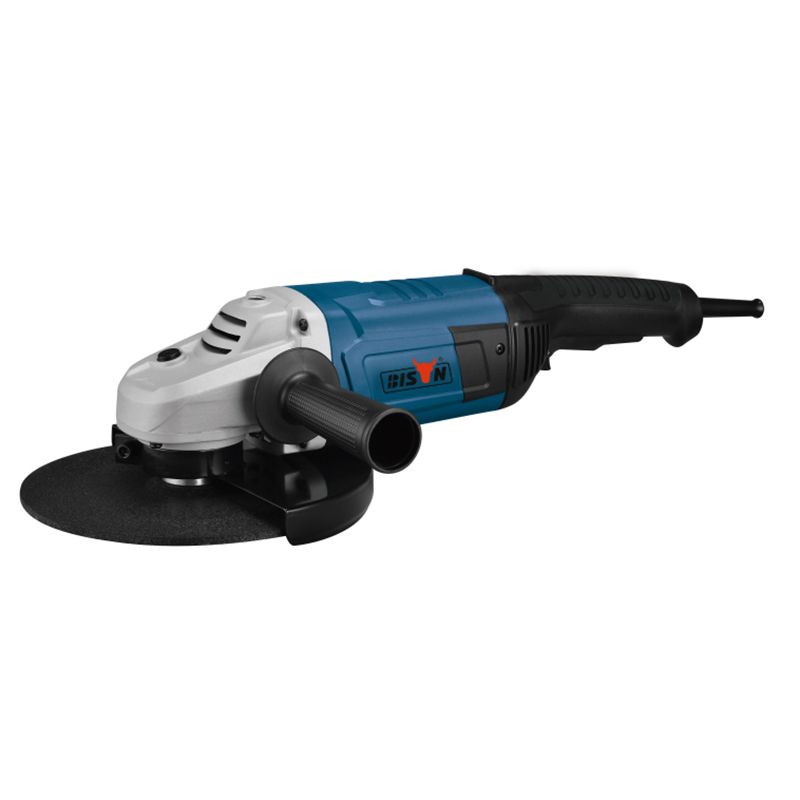
Key features of corded angle grinders
Powerful performance: Corded angle grinders typically offer higher power output than entry-level cordless models at the same price point. Corded angle grinders typically deliver 500–2,500 W of sustained power — significantly more than entry-level cordless models at the same price point.
Unlimited runtime: Since they plug into an electrical outlet, you don't have to worry about the tool losing performance or running out of battery during a task. You can focus on precision and efficiency without having to stop to charge or replace batteries.
Various sizes: Corded angle grinders come in different sizes of grinding wheels, making them suitable for multitasking, typically ranging from 4.5 inches to 9 inches. You can choose the right size for its specific task. Depending on the model, corded units also vary in top RPM ceiling and in the amperage they draw from the wall outlet, so it's worth matching a machine's speed range and power draw to the job and to your circuit's capacity rather than assuming all corded grinders perform alike. Wheels and discs themselves are matched to the material at hand: cutting discs for slicing through metal or masonry, grinding discs for shaping and smoothing surfaces, flap discs for blending and finishing, and wire wheels/brushes for stripping rust, paint, or corrosion. Choosing the right disc type for the material improves results and extends both wheel and tool life.
Lighter weight and better balance: Corded angle grinders tend to be lighter than cordless models because they don't require bulky battery packs. Reduced weight can improve the comfort and balance of the tool, especially when used for long periods of time.
Price: Corded angle grinders are generally more affordable than cordless models with equivalent power levels. Since they don't rely on expensive battery systems or advanced charging technology, their base price is usually lower. Therefore, they are a popular choice for most homeowners and small contractors. In addition, there is no need to constantly replace or upgrade batteries over time.
Versatile: Corded angle grinders have a variety of features, including adjustable guards, variable speed controls, and soft start technology. The speed control feature helps you use them for both light and heavy grinding tasks. The dust bag makes it easy to collect dust and debris during the grinding process.
Limitations of corded angle grinders
Limited movement: The most obvious disadvantage of corded angle grinders is their reliance on power cords. This limits your range of movement. If you’re working on a large jobsite or cluttered area, the cord can also get tangled, get caught on obstacles, or limit your ability to reach tight or awkward spaces.
Dependence on an electrical outlet: Corded angle grinders need to be constantly connected to an electrical outlet, which makes them impractical for outdoor use in areas with no or limited power.
Common uses for corded angle grinders
Corded angle grinders are the best choice for tackling tough jobs. They are considered the tool of choice for heavy-duty grinding applications.
Construction: Cutting rebar, grinding concrete joints, removing tile mortar — jobs where sustained torque makes the difference between stalling and cutting through.
Metalworking: Great for tasks like cutting steel pipe, grinding welds, or removing rust and corrosion from metal surfaces.
Fabrication and repair: Great for shaping, sizing, or smoothing materials in a variety of fabrication or repair projects.
Professional uses: Their consistent performance makes corded grinders a reliable choice for industrial and professional applications where uninterrupted power is essential.
What is a cordless angle grinder?
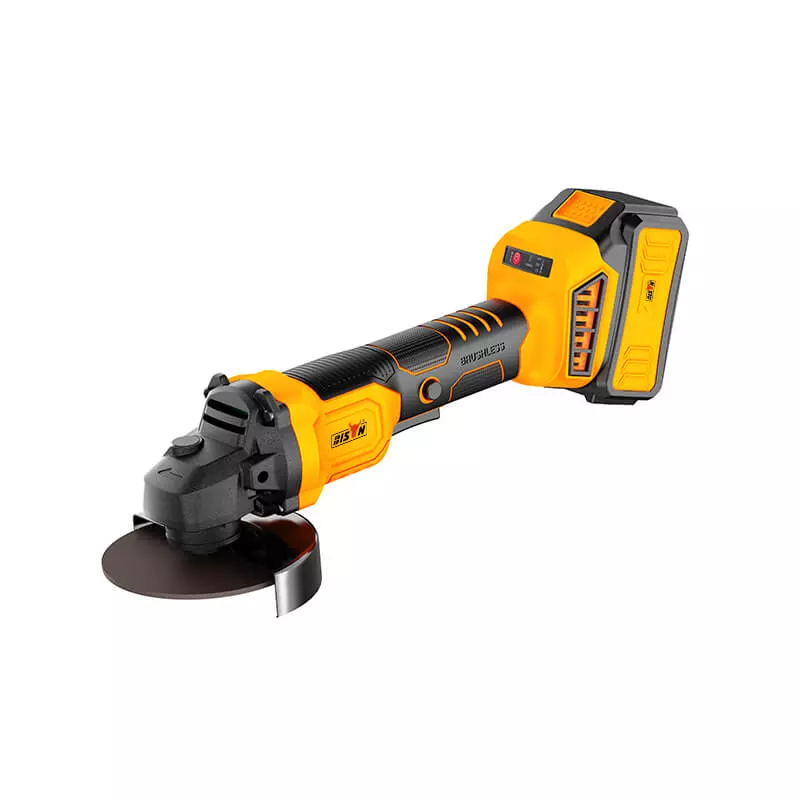
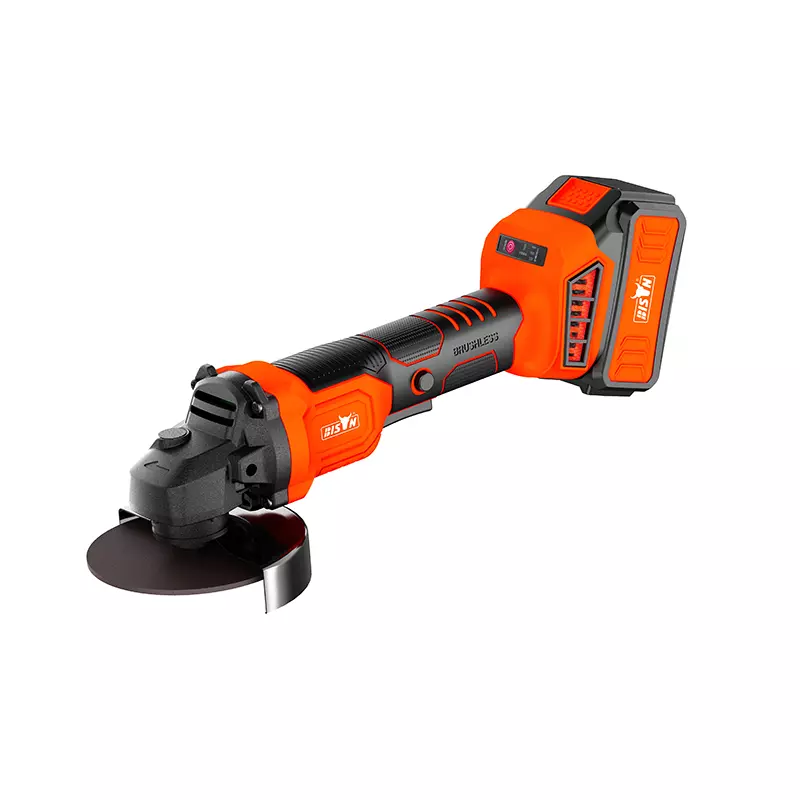
A cordless angle grinder is a versatile power tool that uses a rechargeable battery to power itself, eliminating the need for direct connection to an electrical outlet. This makes it portable and particularly useful in places where electrical outlets are limited or unavailable.
An advanced control system in the motor regulates the power to ensure efficient performance while optimizing battery usage. Performance may decrease slightly as the battery depletes due to battery degradation, unless the grinder is equipped with technology that maintains a steady output until the battery is depleted.
Key features of a cordless angle grinder
Battery-powered: Cordless angle grinders are powered by lithium-ion batteries that provide the energy required to spin the grinding or cutting disc. These batteries are rechargeable and available in a variety of voltages (e.g. 18V, 20V, and even 40V), and amp-hour (Ah) capacity also varies across platforms, with higher-capacity packs generally supporting longer run times.. Since they come with a battery attachment, they eliminate the hazards associated with cords, such as tripping or accidental cuts.
Convenient: Because they can be used anywhere, there is no need to worry about finding a power source or carrying a bulky extension cord. They are better suited for jobs that require mobility, such as grinding or cutting metal pipes or surfaces at height or in remote locations. Eliminating the power cord also simplifies setup and reduces the hassle of managing or untangling cables.
Compact design: Many cordless models are sleek and ergonomically designed with careful ergonomics, making them ideal for precision work in tight spaces and tricky areas.
Advances in battery technology: The growing popularity of lithium-ion batteries has transformed cordless grinders into powerful and reliable tools. Some high-voltage cordless systems can now exceed 2,000 watts of output, closing much of the gap with heavy-duty corded models. Advanced cooling systems, brushless motors, and high-capacity batteries have significantly improved the performance, run time, and charging time of cordless angle grinders. Brushless motors in many modern cordless grinders also run quieter than their corded equivalents, though the added weight of the battery pack can offset this advantage by making the tool feel less balanced in hand. Many manufacturers now offer interchangeable battery systems that allow users to swap the same battery between multiple tools, increasing convenience and reducing costs.
Limitations of cordless angle grinders
Limited battery life: The main drawback of cordless angle grinders is that they rely on battery power and depending on the capacity of the battery and the intensity of the task, you may need to stop and charge or replace the battery before completing the job. Under heavy grinding loads, even a battery rated for a longer duty cycle by the manufacturer can be drained in well under an hour of continuous cutting, since those runtime claims are typically based on light-load testing rather than sustained heavy use. This can result in interruptions to the task, and professionals working continuously often rotate between two or three batteries paired with fast charging to minimize downtime.
Lower power output: While battery technology has greatly improved, cordless angle grinders generally have slightly less power than corded models of the same size. Even high-performing brushless cordless units, which narrow this gap considerably, still tend to trail corded models in sustained cutting speed under heavy load. This makes them less suitable for heavy-duty tasks, such as cutting through thick metal or grinding surfaces for long periods of time. They are better suited for light to medium-duty work.
Weight added by the battery pack: While the battery pack is a key component of a cordless grinder, it adds weight to the tool. This can make prolonged use more tiring, especially for tasks that require precision or working at height. The added weight also affects balance, making the tool slightly bulkier than corded models.
Higher initial cost: Due to the cost of the battery and charging system, cordless grinders generally have a higher upfront cost than corded models. Additionally, if you don't already have a tool that's compatible with the same battery system, purchasing additional batteries or chargers can add to the total investment.
Over time, cordless grinders often suffer reduced runtime and power as batteries age, while corded models remain reliable but can develop cord fraying or plug wear, making periodic inspection essential for both types.
Common use cases for cordless angle grinders
Today's cordless models can handle a variety of grinding, cutting, and polishing tasks, making them suitable for professionals and hobbyists alike.
Outdoor construction: Cordless grinders are the perfect tool for cutting or grinding metal, concrete, or masonry when working on a job site without an available electrical outlet.
DIY and home projects: Great for DIYers who need a lightweight, portable tool for projects like cutting tile, sanding wood, or cleaning up metal edges.
Automotive and repair work: Great for repairing vehicles in a garage or outdoor location. Such as getting into tight spaces to remove rust, cut bolts, or polish metal surfaces.
Emergency repairs: Their portability makes cordless grinders useful for quick repairs in off-grid environments or remote areas.
How to choose the right angle grinder?
Choosing the right angle grinder is essential to ensuring you get the best performance and efficiency for your project. With so many options, it’s important to consider key factors like the type of work you’ll be doing, how often you’ll be using the tool, and your budget. Whether you’re a weekend DIYer or a professional contractor, the following guide will help you decide which angle grinder is right for your needs.
Consider the type of project
By matching the tool to the size of your project and the type of material, you’ll ensure you have the right level of performance for the best results.
Small home repairs or DIY projects: For light tasks like refinishing tile, sharpening knives, or removing rust, a compact and lightweight angle grinder (corded or cordless) with a 4.5-inch disc is usually sufficient. Cordless models suit home use for medium-level cutting and grinding jobs, where their flexibility and lack of cord requirements outweigh the absence of sustained power.
Heavy-duty or specialty construction work: For tougher applications, such as cutting metal pipes, grinding concrete, or polishing large surfaces, a higher-powered corded angle grinder with a larger disc (such as a 7-inch or 9-inch) will provide the strength and efficiency needed for the job. Corded grinders are specifically recommended for cutting thick steel, concrete, or masonry, where sustained power matters more than portability.
Remote or outdoor work: If you need to work in an area where electricity is not readily available, a cordless angle grinder with a high-capacity battery is the best choice. If you often need to work on ladders or scaffolding, a cordless grinder is easy to carry and reduces the risk of accidents caused by long cords.
Frequency of use
How often you use your grinder will also affect your choice.
If you only need an angle grinder for occasional home projects or repairs, a mid-range cordless grinder or a smaller corded model is both affordable and sufficient for infrequent use. For workers who rely on angle grinders daily, durability and consistent performance are essential. Powerful corded angle grinders are often the first choice for long periods of continuous use, while cordless models can serve as a handy backup tool for tasks that require more flexibility.
Budget
Budget is another important factor to consider when choosing between corded and cordless angle grinders. Budget planning should also weigh long-term parts and support costs.
Corded angle grinders: These models tend to have lower upfront costs compared to cordless models because they don’t require a rechargeable battery pack or charger. Their ongoing expenses are also low because they don’t require battery maintenance. Grinder bodies typically carry longer warranties than batteries, which are often covered for only one to two years, making corded units simpler to budget for long-term.
Cordless angle grinders: While cordless models offer convenience, you have to buy batteries and chargers. Also, lithium-ion batteries eventually need to be replaced, which can increase long-term costs.
Specifications
Matching specifications to the job prevents poor performance on certain tasks and unnecessary weight. Important considerations include power, speed, size, and runtime.
For tasks like smoothing edges, light grinding, or trimming soft materials, a lower-powered grinder (500-900 watts for corded models, 18V for cordless models) will suffice. It's also easier to operate and control in this case. For cutting steel, grinding welds, or masonry work, you'll need a higher-powered grinder (900 watts and up or 20V and up for cordless models). This ensures that you can complete tasks efficiently without overusing your tools.
Angle grinders generally operate between 6,000 and 12,000 RPM, with higher speeds suited to aggressive cutting and lower speeds better for controlled polishing work.
Disc size affects both control and cutting capability: 4.5-inch discs offer the lightest, most maneuverable option for tight spaces, 5-inch discs balance control with slightly deeper cuts, and 7-inch discs provide the greatest cutting depth but demand more strength and stability to manage safely.
To estimate runtime, multiply battery voltage by amp-hours (Wh = V × Ah): a higher watt-hour figure signals longer cutting or grinding time between charges, making it a useful way to compare batteries beyond just voltage or Ah alone. As a reference point, a 100 Wh battery running under a 200-250 W load delivers roughly 24-30 minutes of actual motor runtime, though real-world working time often stretches further once pauses and setup are factored in. By contrast, a 4.0Ah battery under heavy grinding can be exhausted in as little as 15-30 minutes despite higher figures quoted under lighter test conditions.
Conclusion
Knowing where each grinder type performs best helps translate specifications into practical decisions. The following scenarios reflect common jobsite and workshop conditions where corded and cordless models are put to the test.
| Scenario | Better Choice | Why |
|---|---|---|
| Prolonged heavy metal grinding (welds, thick steel plate) | Corded | Sustains torque and RPM regardless of runtime; no charge depletion during long passes |
| Concrete surfacing with dust extraction | Corded | Continuous power handles extended abrasive loads while heavy dust exposure is better managed with a dedicated extraction setup than with battery-powered tools |
| Quick cutoff or touch-up tasks in tight spaces | Cordless | No cord to maneuver around scaffolding, pipes, or vehicles; fast setup for short jobs |
| Fieldwork away from power access (roofing, remote fabrication, mobile repair) | Cordless | Operates independently of outlets or generators; brushless models extend usable runtime |
Matching the tool to the task, rather than defaulting to one power source, produces better results and less downtime.
BISON, as a professional manufacturer of corded and cordless angle grinders in China, we are committed to helping you find the perfect tool for your needs. Browse our range of high-quality angle grinders designed for durability, performance, and user convenience, and choose the one that best suits your requirements.
Faqs
Are there special attachments for both corded and cordless angle grinders?
Attachments aren't split by power type—cutting discs, flap discs, wire brushes, diamond blades, and polishing pads fit both, as long as the arbor size and thread match the grinder's spindle. The real compatibility issue is the guard and accessory mounting system, which can vary between manufacturers and models.
What should I consider when maintaining my angle grinder?
Maintenance differs slightly by type. Corded grinders need regular brush inspection, cord and plug checks for fraying, and vent cleaning to prevent motor overheating from dust buildup. Cordless models require monitoring battery health—avoid storing packs fully depleted or overcharged, and clean battery contacts regularly. Both benefit from periodic guard inspection, replacing discs at the first sign of wear, and lubricating gears per manufacturer instructions.
Can I convert a corded grinder to a cordless one?
No—corded and cordless grinders use fundamentally different motor and housing designs, so there's no standardized kit that swaps a plug-in motor for a battery system. Some manufacturers offer separate cordless versions within the same product line, but retrofitting a corded unit isn't a practical or safe modification.
What are the essential safety guidelines for corded and cordless angle grinders?
Whether an operator chooses a corded or cordless model, the cutting and grinding action carries the same fundamental risks, but each power type introduces its own specific hazards. For corded grinders, the primary hazard is electrical shock; inspect the cord and plug before each use and avoid wet environments. For cordless grinders, the primary hazard is battery overheating, swelling, or fire; use original‑brand batteries and accessories and monitor charge level.
Universal precautions that apply to both types include:
Check disc RPM ratings – exceeding the max RPM can cause shattering, so confirm the rating matches or exceeds the grinder’s speed.
Keep the guard in place – never remove it.
Select the correct disc for the material (cutting, grinding, and flap discs are not interchangeable).
Watch for kickback triggers – on cordless units, pushing harder as battery power fades increases reverse‑torque kickback; treat declining charge as a signal to stop or swap batteries, not to apply more force.
Wear appropriate PPE: eye protection, gloves, and hearing protection.
Secure the workpiece to prevent shifting and kickback.
(Corded) Mind the cord underfoot – the trailing cord is a tripping hazard.

related blog
Acquire all kinds of knowledge from professional China factory
corded vs. cordless angle grinders
BISON will look at corded and cordless angle grinders, discussing their pros, cons, and key differences to help you choose the right tool for your needs.
How to use an angle grinder?
We've put together a guide to help you understand how to use an angle grinder and how to operate it safely. Using angle grinder correctly can significantly increase your productivity.
What is an angle grinder used for?
BISON will explore the many uses and applications of angle grinders to help you understand how this tool can handle a multitude of tasks across different projects.
related product
Quote high quality products from professional China factory