How to pressure wash the deck
2021-11-02
Table of content
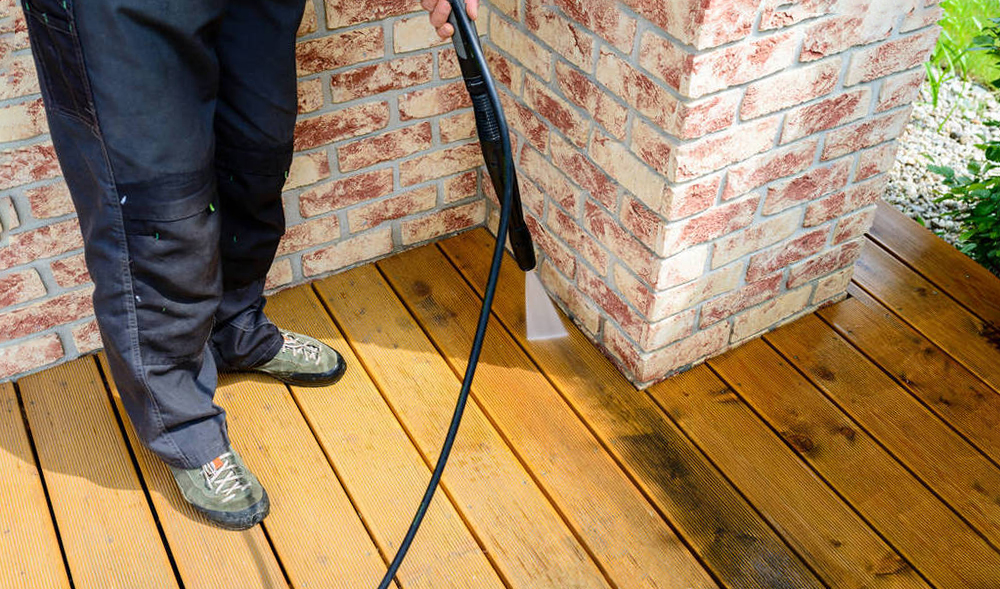
Learning how to pressure wash the deck properly is the most effective way to restore a dirty or weathered outdoor surface. How is this achieved? Pressure washer. BISON high pressure washer is the best tool for cleaning your deck or porch. If used properly, it can extend the life of your deck for many years. In this article, we will teach you how to pressure wash your deck to make your outdoor area look new!
The benefits of using a pressure washer:
Safely remove dirt, mould and old stains
Use ordinary water to eliminate the discolouration of the template surface
Safely peel off old finishes, including stains and paint
Is it safe to pressure wash decks?
Pressure washing your deck is absolutely safe as long as the correct precautions are taken. If you use a pressure washer with a PSI higher than 2000, you may damage the floor — and this damage can be irreversible. For context, settings that reach up to 4,000 PSI are appropriate for concrete but should never be used on deck surfaces, as they will cause permanent harm to the wood. This can cause the floor to be scratched and chipped. For softwoods such as cedar or pine, the optimum PSI for pressure cleaning is about 500-600 PSI. For harder woods, you can set it higher, but no more than 1200 PSI.
Pay special attention when working with pressure-treated pine. High-pressure water can eject the soft pulp between the wood's growth rings, permanently raising the grain and degrading the structural integrity of the board.
Here are some additional safety tips to keep in mind when pressure washing your deck:
Wear protective gear: safety goggles, waterproof gloves, long sleeves, sturdy clothing
Clear the deck: remove all furniture, cover plants with plastic sheeting, keep children and pets away
Test your setup: start at 500 PSI on an inconspicuous spot and increase gradually; never exceed 1,500 PSI on wood
Choose the right nozzle: 40–60° wide-angle tip; hold wand 8–12 inches from surface
Apply deck cleaner: use pump sprayer with deck-specific solution; allow 5–10 minutes dwell time
How to set up your pressure washer?
With your nozzle selected and pressure setting confirmed, setting up your pressure washer correctly is the next step. Rushing this stage often leads to inconsistent results or equipment issues.
Connect your water supply first
A reliable, unobstructed water source is the foundation of the entire operation. Follow your manufacturer's guidelines for minimum flow rate — an undersupplied machine will cavitate and perform poorly. Most residential pumps are cooled by tap water and can be permanently damaged if hot water is introduced. Self-lubricating pumps, found on certain higher-end models, do not share this limitation and can handle hot water for extra cleaning power — but confirm your pump type in the manual before connecting anything other than a cold supply.
Attach a garden hose directly to the pressure washer's water inlet
Check that the hose is free of kinks before turning on the supply
Turn on the water fully and let it run through the system briefly to purge air from the pump before starting the engine or motor
Assemble the high-pressure hose and wand
Connect the high-pressure hose to the pump outlet, ensuring the fitting clicks or threads securely
Attach the spray wand (lance) to the opposite end of the high-pressure hose
Insert your pre-selected nozzle tip into the wand until it locks in place — a loose nozzle under pressure is a safety hazard
Starting procedure: gas vs. electric models
Gas and electric models each suit different demands. Electric units are well matched to lighter residential deck cleaning, while gas models are the better choice when the job calls for higher pressure output. Keep those practical differences in mind when following the startup steps below.
| Step | Gasoline model | Electric model |
|---|---|---|
| Pre-start check | Verify oil and fuel levels | Confirm power cord/GFCI outlet condition |
| Water supply | Turn on fully before starting engine | Turn on fully before switching unit on |
| Startup | Set choke, pull recoil cord or use electric start | Press power switch or trigger safety |
| Pressure buildup | Allow engine to warm at idle briefly | Pressure is available almost immediately |
| Shutdown | Release trigger, turn off engine, then water | Release trigger, switch off, then water |
Always squeeze the trigger briefly after shutdown to release residual pressure in the hose before disconnecting any fittings.
Choose the right nozzle and pressure setting for your floor:
Use a scalloped tip that spreads 40 to 60 degrees. A wider spray angle reduces cleaning intensity and is gentler on wood fibers, while a narrower angle concentrates force and increases the risk of surface damage — so always match your nozzle angle to the condition of your deck. If you have deck pressure washer attachments (such as BISON water brooms or surface cleaners), you can also use them for faster cleaning.
Always hold the wand at a standoff distance of at least 8 inches from the surface. Starting too close or using the wrong nozzle angle are among the most common mistakes that lead to unintended wood damage.
You can test your pressure in an inconspicuous place. Start at 500 PSI and gradually increase the pressure until you find the correct cleaning setting. Exceeding 2,000 PSI can permanently damage wood fibers, so increase pressure in small increments and stop as soon as the surface is clean. Never push beyond what the wood can safely handle.
How to pressure wash a deck?
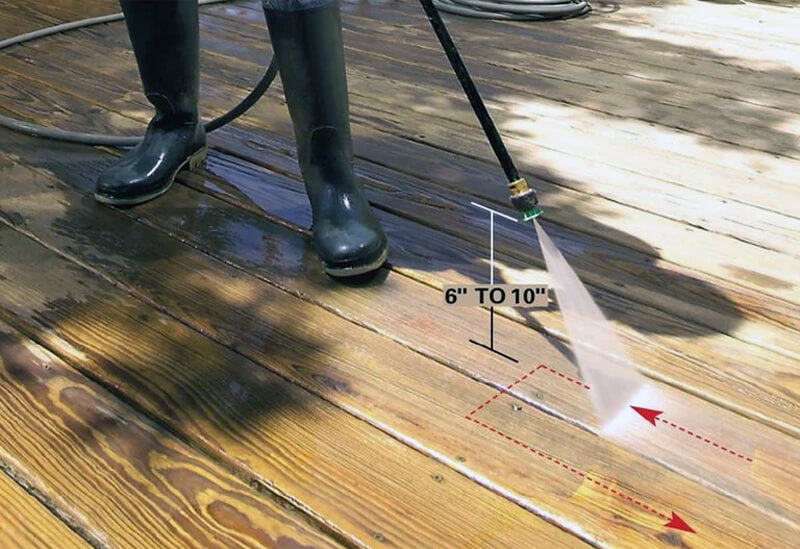
After making sure that you have selected the right nozzle and set the right pressure, you can start cleaning!
Keep the tip of the rod 8-12 inches away from the surface of the deck. Staying within this range matters: going closer risks etching the wood, while going farther reduces cleaning effectiveness. Move the wand slowly and maintain that distance as consistently as possible throughout the cleaning process.
Walk with your pressure washer rather than just rotating or moving your arms. This prevents uneven cleaning and ensures all areas are covered.
Clean from top to bottom. This will help prevent dust and debris from being blown back into the area you've already cleaned.
Pay attention to corners and edges. These areas are often overlooked, but they can collect a lot of dust and grime.
Rinse the deck thoroughly with clean water when finished. This will help remove any remaining dirt or debris and keep the wood from drying out.
Allow the deck to dry completely before using it again. This will help prevent the wood from warping or cracking.
Post-wash inspection: Once the deck is fully dry, take a few minutes to walk the surface and assess its condition before calling the job done. Run your hand along the boards — if the water raised any wood fibers, a light sanding will smooth them back down and prevent splinters. Check for any residual stains that the pressure wash didn't fully lift and spot-clean those areas as needed. Finally, consider whether the wood would benefit from a fresh coat of sealant or stain; re-coating at this stage locks in the clean surface and extends the life of your deck significantly.
Ensure each area overlaps slightly to avoid hot spots, missing spots, or visible clean edges. Do not let the nozzle stay in one area for an extended time, even when removing stubborn stains. If using a deck cleaning solution, confirm the product is formulated for deck wood and compatible with high-pressure washers.
In conclusion
Pressure washing is an effective way to restore your deck's appearance and extend its lifespan. By following the steps outlined in this article, you can safely and successfully clean your deck. Use the proper pressure setting and nozzle tip for your specific deck material, take appropriate safety precautions, and maintain your deck regularly after pressure washing to keep it in good condition.
If you'd rather skip the pressure washer entirely, chemical deck cleaners offer a gentler alternative: apply the solution with a brush or roller, let it soak for the time the label specifies, then rinse thoroughly with a garden hose.
If you plan to stain your deck afterward, pressure washing first is strongly recommended, as it removes old coatings, mildew, and UV-grayed wood fibers, allowing the stain to penetrate more deeply and last significantly longer.
People also ask
What PSI should I use to pressure wash a wooden deck?
Wood type and condition determine the right pressure setting. Softer wood species can be safely cleaned at 500–1,000 PSI when paired with a wide-angle spray tip, while most wood decks fall within the 1,000–1,500 PSI range for general cleaning. Regardless of setting, hold the nozzle 8-12 inches from the surface and keep it moving continuously to prevent etching or splintering.
How often should you pressure wash a deck
The next practical question is how frequently you should pressure wash your deck. Getting the timing right protects your investment and keeps maintenance manageable.
The baseline recommendation: once per year, at minimum. Annual washing controls the buildup of algae and keeps surface grime from working its way into the wood grain direction or finish. Skipping years allows organic growth to establish deeper roots in the surface, making each subsequent cleaning harder and raising the risk of needing more aggressive pressure settings to compensate.
Several factors can push that frequency higher:
Heavy shade or moisture exposure — Decks that receive limited direct sunlight stay damp longer, accelerating organic growth between washes
High foot traffic — Dirt and debris ground into the surface by regular use builds up faster than on a lightly used deck
Overhanging trees — Sap, pollen, and leaf tannins stain wood quickly and can become difficult to remove if left through a full season
Proximity to a pool or sprinkler system — Constant moisture contact shortens the effective interval between cleanings
Best season to wash
Late spring is the most practical window for most climates. Winter debris is fully settled, and washing before summer use gives the deck time to dry completely before you apply any stain or sealant. Keep in mind that after pressure washing, wood needs at least 48 hours to dry — and potentially longer for shaded decks — before stain can be applied evenly.

related blog
Acquire all kinds of knowledge from professional China factory
Pressure washer is surging/pulsing: An in-depth comprehensive guide
This comprehensive guide will help you understand pressure washer surging/pulsing, including the issue, its causes, how to diagnose it, and ultimately, how to fix it.
What accessories are available for my BISON pressure washer?
The high-pressure cleaner is equipped with various tools and accessories designed to make your cleaning faster, more efficient, and most importantly, easier.
How to make gasoline pressure washer quieter?
BISON delve into the world of quieter gas pressure washers. We will explore the reasons behind the loud operation of gas pressure washers, effective methods to reduce their noise output...
related product
Quote high quality products from professional China factory