Extend the life of small engines
2023-07-14
Table of content
Small engines power your everyday equipment like lawn mowers and generators. These essential engines deliver high performance in a compact and portable size. Regular maintenance is the most effective way to extend the life of small engines and keep them performing reliably.
How to maintain a small engine to extend its life? Maintenance varies for different types of equipment, but a few basics cover all small engine maintenance. The following sections cover the best ways to extend the life of your small engine.
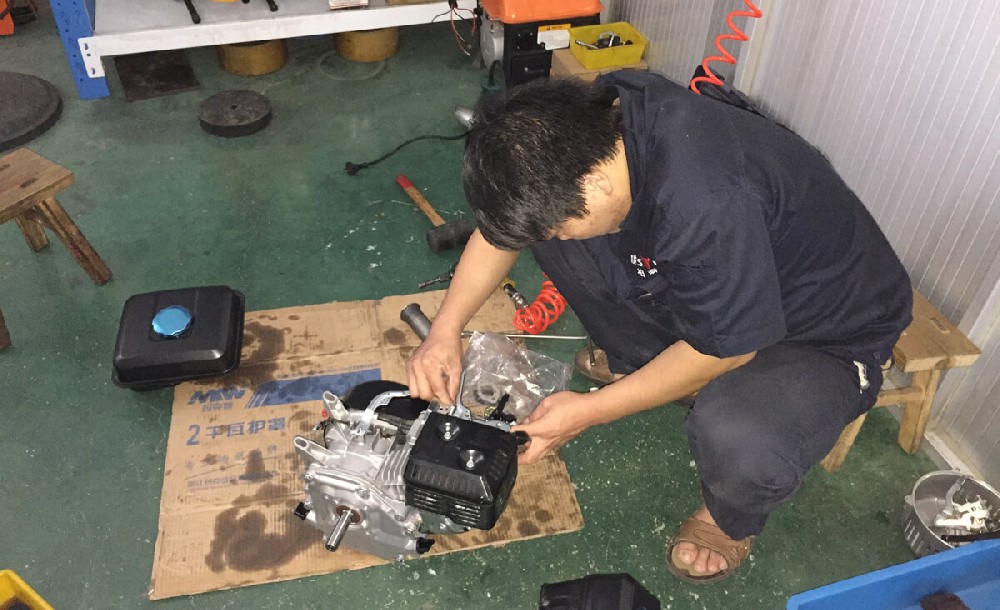
Reasons for early engine failure
Poor maintenance: Lack of regular maintenance can lead to engine failure. This includes not changing the oil regularly, not cleaning air filters, or ignoring minor issues that can escalate into serious problems.
Improper use: Overloading, running at high speeds for extended periods, or using incorrect fuel mixtures cause early failure.
Poor storage: Improper storage during off-seasons causes corrosion, stale fuel, or battery drain.
Strategies for extending small engine life
What is the life expectancy of a small engine? A well-maintained small engine can last anywhere from several hundred to over a thousand hours of operation, depending on the application and how consistently it receives service. Engines used for light homeowner tasks typically outlast those run under heavy or commercial loads. Please review the following information to help ensure your engine achieves its expected service life.
Check your oil
Before you use any equipment, ensure your oil and fuel are fresh and at the proper levels. It only takes a few seconds and saves you time and hassle. It's much easier to do a quick check than costly repairs or replacements later.
Fuel
Use fresh, clean fuel. For most small engines, regular 87-octane unleaded is recommended — a higher octane grade provides no benefit. Choose ethanol-free gasoline when available, and never use fuel above E10 (10% ethanol); avoid E15 / "Unleaded 88," which is not approved for small engines. Ethanol is hygroscopic, meaning it draws moisture from the air, and that water-ethanol mix is corrosive to the carburetor, seals, and other engine parts.
Oil change
You can get into the habit of checking your crankcase oil in a four-stroke engine every time you refuel. Small engines carry very little oil — often under 600 ml — and have no oil cooler, so oil degrades faster under heat and load. Some engines require changes as frequently as every 25 operating hours under demanding conditions.
The oil can be easily changed after the engine has been running until it is warm. Then, shut off the engine and disconnect the spark plug. The oil drain plug is usually located near the bottom of the crankcase.
Keep clean
Dirt, grass, and debris quickly build up on equipment. Remove debris and inspect for damage after each use. If cooling fins on an air-cooled engine are clogged with dirt, clean them promptly after removing the cover. The air filter deserves close attention. A clogged filter restricts airflow, forces the engine to run rich, degrades combustion efficiency, and can allow abrasive particles to bypass the filter and score cylinder walls. Inspect the paper element every 25 hours; in dusty conditions, replace based on actual condition rather than a fixed schedule. Inspect spark plugs every season or after 100 hours of operation. Blue exhaust smoke indicates oil combustion and requires investigating oil consumption or worn seals; black smoke points to an overly rich fuel mixture and calls for air filter or carburetor service. Regular cleaning prevents harmful substance buildup and helps spot potential problems early.
Proper operation
Understanding the capabilities and limitations of your engine is vital to ensuring its longevity. Here's how you can operate your engine properly:
Avoid overloading: Pushing your engine beyond its recommended capacity can lead to unnecessary stress and overheating, which may cause damage over time. Always check the manufacturer's guidelines for the maximum load capacity and adhere to it.
Warm up the engine: Just like a human body, an engine performs better after a proper warm-up. Before pushing your engine to work at full capacity, let it run at a lower speed for a few minutes. This allows the oil to circulate and lubricate the moving parts effectively.
Cool down the engine: Similarly, allow your engine to cool down before turning it off, especially after heavy use. Let the engine idle at low speed for a minute or two before shutting it off so engine temperatures can stabilize. (Avoid prolonged idling.)
Regular breaks during prolonged use: If you're using the engine for extended periods, give it regular breaks to prevent overheating. A simple 15-minute break every couple of hours can significantly improve the lifespan of your engine.
Store properly
Untreated fuel can begin to deteriorate within 30 days, so don't store equipment with old, untreated fuel — either drain it, or treat and top off the tank as described below.
Use fuel stabilizers to minimize oxidation — add stabilizer when the tank is nearly empty, then top it up to reduce condensation and oxidation and lower corrosion risk. Alternatively, keep the tank topped off and run the engine for about 10 minutes once a month to avoid seasonal maintenance issues.
If you don't use fuel stabilizer or run the engine, drain the carburetor completely. Many carburetors have a small drain plug at the bottom of the float bowl; otherwise, remove the carburetor to clean it.
Before sealing the engine away for the season, engage the ignition kill switch, inject one tablespoon of fogging oil into the spark plug hole, then pull the recoil rope to bring the piston to top dead center — its highest point in the cylinder. At top dead center, both intake and exhaust valves are fully closed, preventing air, moisture, or pests from entering the combustion chamber during storage.
Read the manual
The owner's or operator's manual is your most reliable source for maintenance schedules, fluid specifications, and operating limits specific to your equipment.
Owner manuals will often provide maintenance recommendations tailored to your equipment so you can find the best way to extend the life of your small engine.
Choose the correct replacement part
Use correct replacement parts to extend the life of your small engine. Proper replacement parts and repairs save time and money while preventing deterioration.
Extend your engine life with BISON
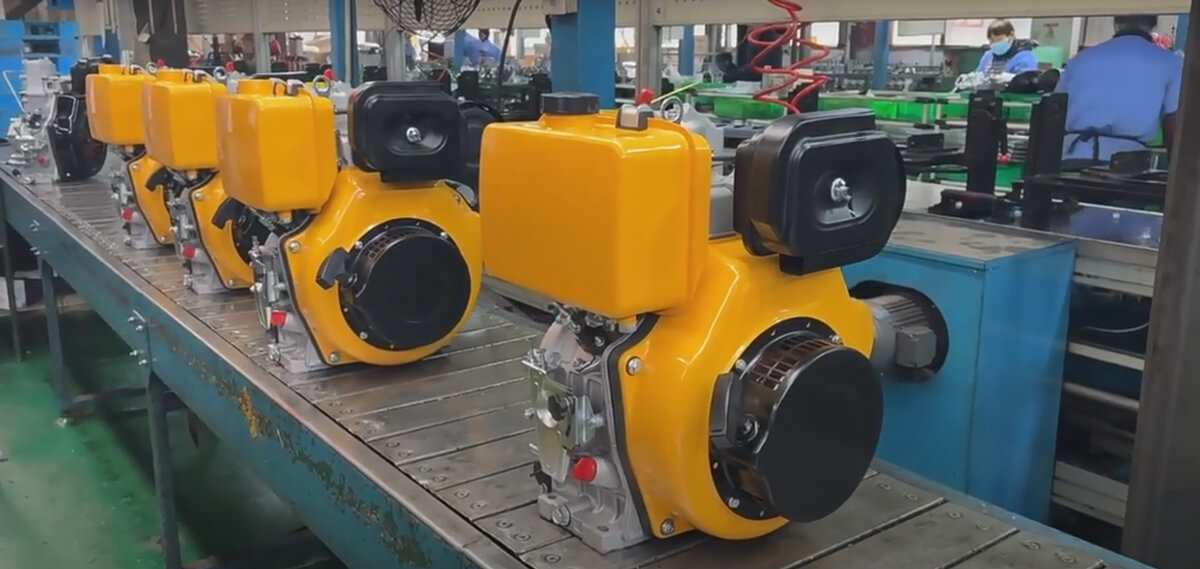
At BISON, we understand the value of your investment in power tools, lawn mowers, and recreational vehicles. We know that you want to keep BISON engine running smoothly and efficiently for as long as possible.
Our team of mechanics and engineers has identified common reasons for early engine failure and developed strategies to avoid them. By following the maintenance tips and best practices in this guide, you can ensure your BISON small engine continues to run reliably for years.

related blog
Acquire all kinds of knowledge from professional China factory
Parts of a small engine | Pictures&Functions
Small engine generally produces less than 25 horsepower (hp). Small engines are used in various applications and are often found in outdoor equipment such as tractors, lawn mowers, generators, etc.
small engine terminology
In this article, we'll take a closer look at small engine terminology. BISON breaks down complex terms into easy-to-understand explanations.
what fuel is best for a small engine?
Wondering which fuel is best for a small engine? In this article, BISON explore the main fuel options for small engines, including regular gasoline, premium gasoline, premixes.