commercial vs residential pressure washers | efficiency, cost, overall experience...
2023-10-31
Table of content
Known for their ability to blast away dirt, grime, and stains with high-pressure water, pressure washers have become an indispensable tool for cleaning enthusiasts and professionals alike.
Now, when it comes to choosing a pressure washer, a common question arises: Should you choose a commercial pressure washer or a residential pressure washer? There are significant differences in price, power, and longevity between commercial and residential pressure washers.
It is not uncommon for people to mistakenly purchase residential units in a transaction. In this article, BISON take a closer look at the differences between commercial and residential pressure washers, discussing their efficiency, cost, overall experience... This way you know what to look for the next time you buy.
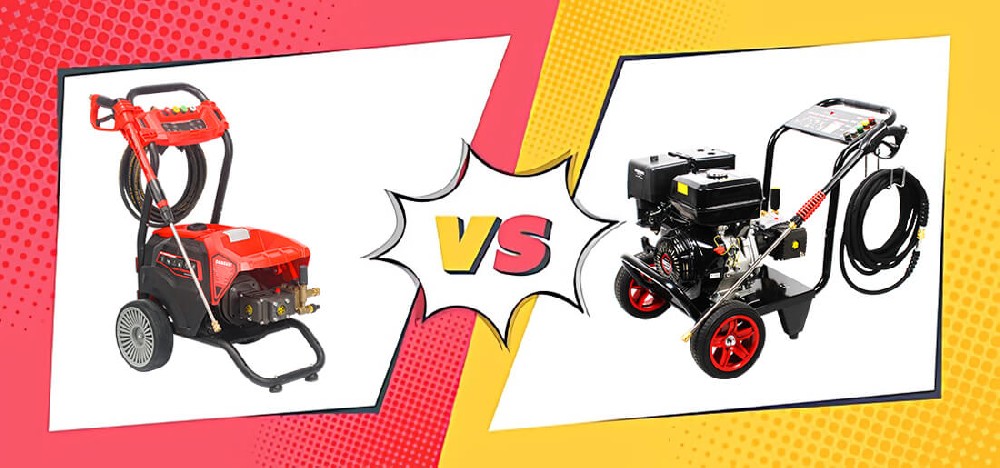
Brief introduction
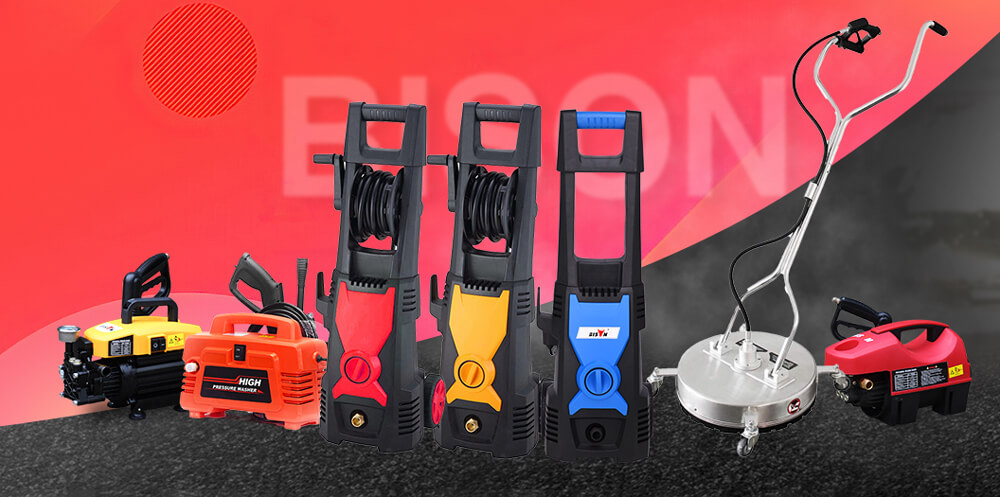
Residential pressure washers
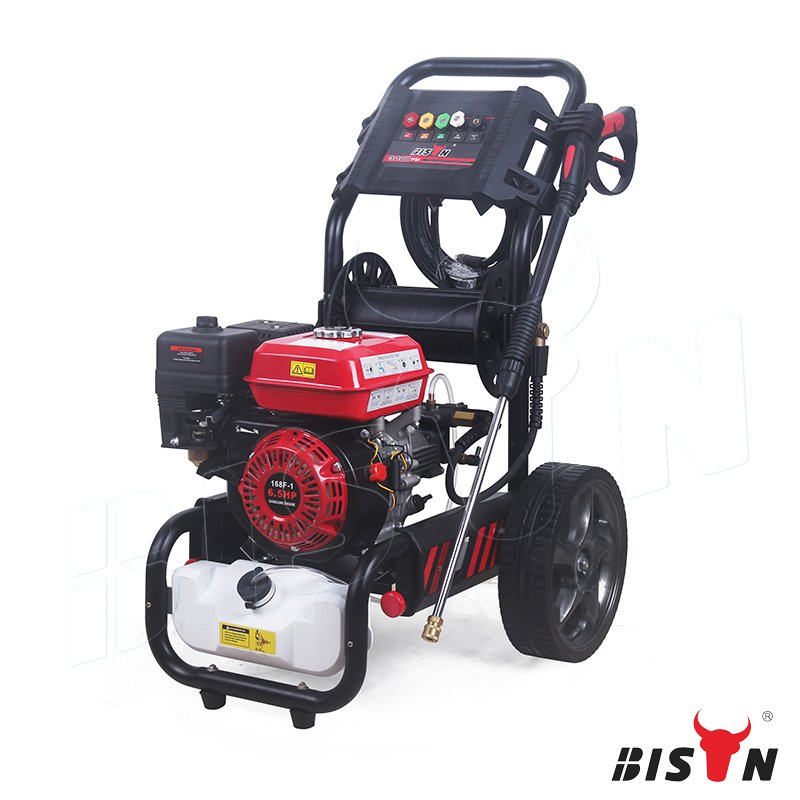
Residential models clean vehicles, roofs, decks, and patios with 1,300–2,000 PSI. They use basic nuts, bolts, and hoses unsuitable for factory or fleet cleaning.
Advantages: Affordable entry-level price, more compact storage
Disadvantages: Not durable, less powerful, and shorter run time.
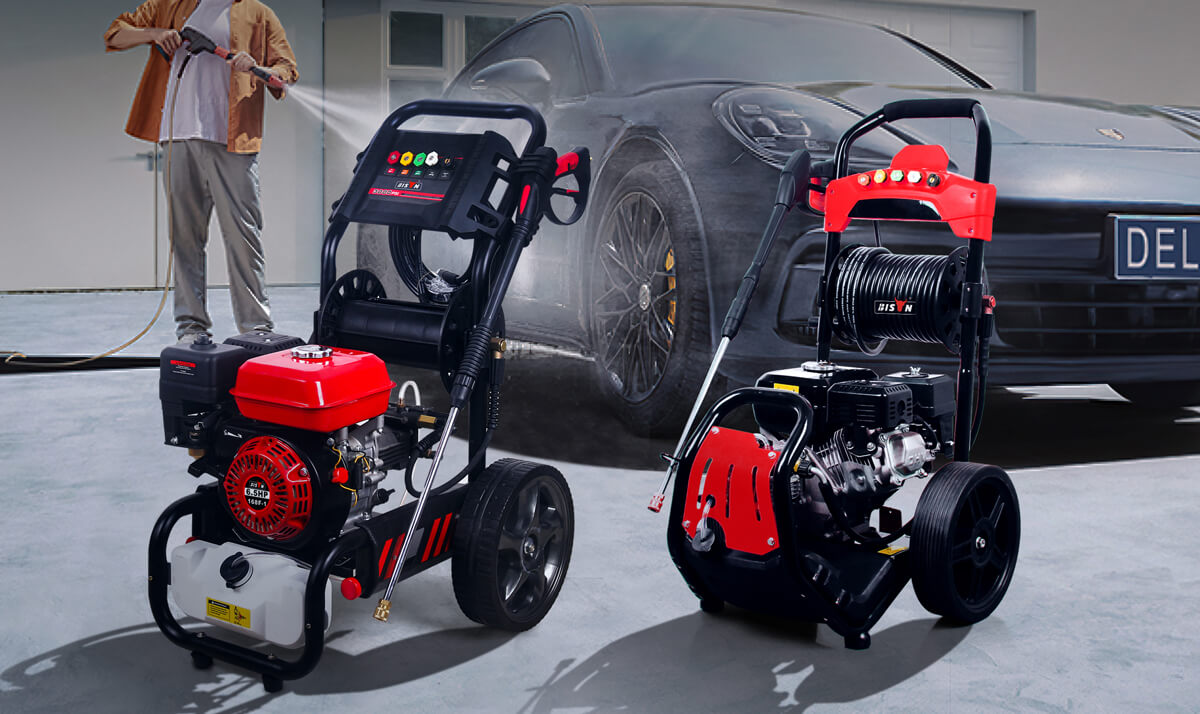
Commercial pressure washers
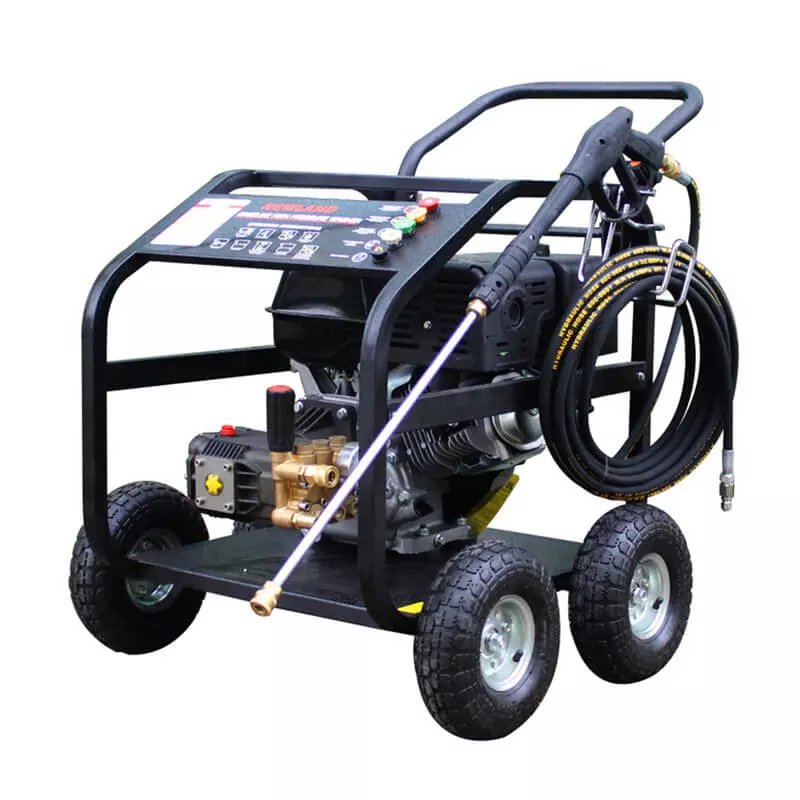
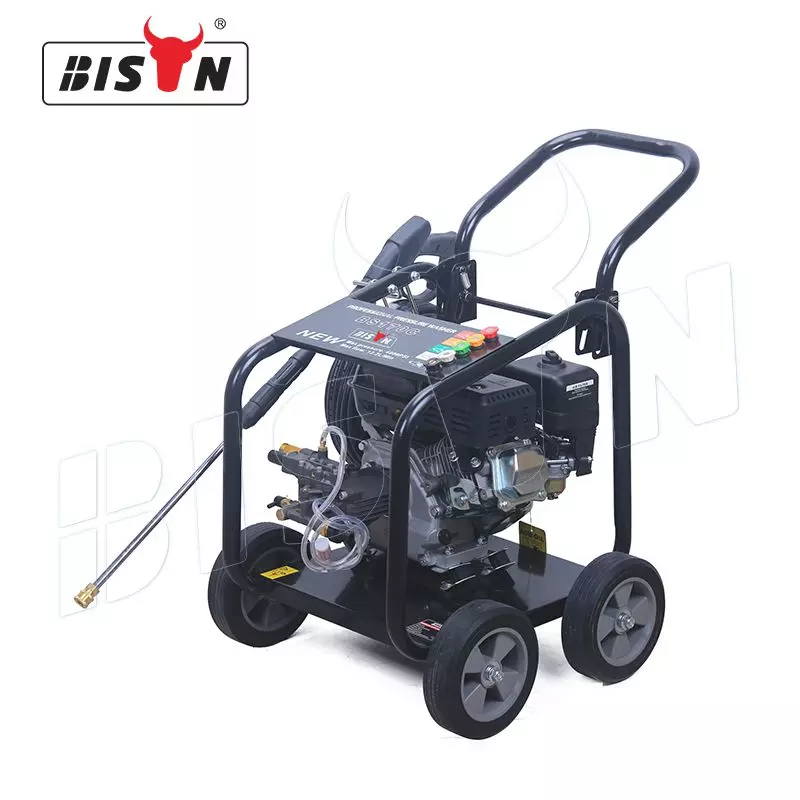
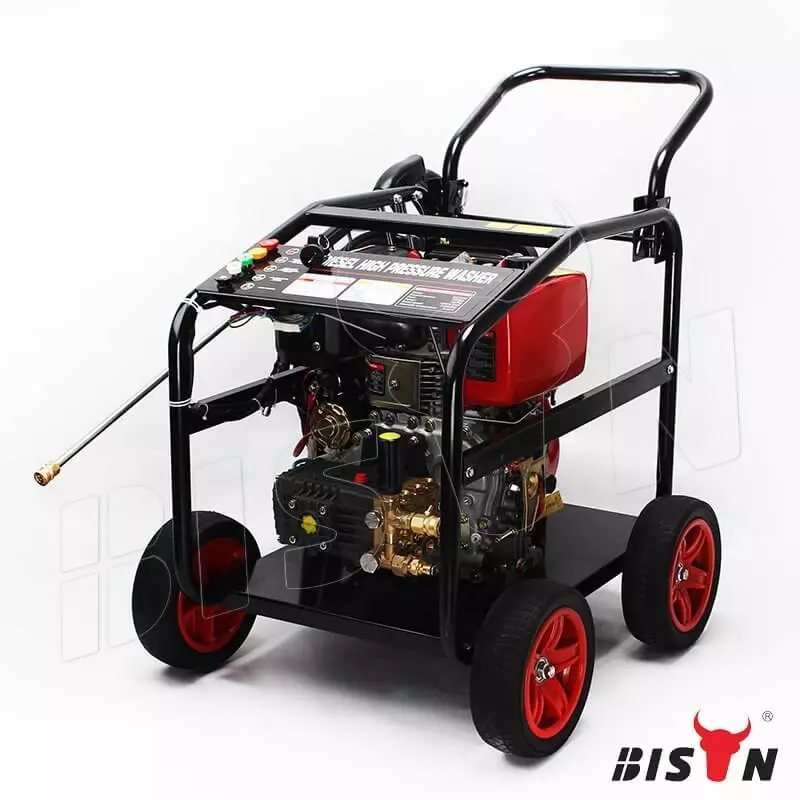
Commercial models handle high-volume, repeated use on greasy, heavily soiled surfaces with 3,200–8,000 PSI and continuous all-day operation. Many feature grooved nozzles for large surface coverage.
Advantages: More robust and versatile
Disadvantages: Expensive, requires more storage space, and requires experience as they can be very powerful and damage some surfaces if misused.
difference between commercial and residential pressure washers
Power and performance
Commercial pressure washers are generally more powerful than residential models. Commercial pressure washers typically have a higher PSI (Pounds per Square Inch) and GPM (Gallons Per Minute) ratings, reaching up to 7000 PSI and 10 GPM in some models. This means they can output water at a higher pressure and volume, respectively. The increased PSI makes it possible to break down stubborn dirt and grime more effectively, while the higher GPM allows for faster cleaning as more water is dispersed over the area in less time, with commercial flow rates more than doubling the ceiling found on consumer units. Residential pressure washers, while less powerful, are sufficient for lighter cleaning tasks around the home.
Differences in pressure washer parts
Pump: Residential models use plastic or aluminum pumps; commercial models use brass or genuine replacement parts designed for durability. Commercial brass pumps withstand high-pressure cycles and last significantly longer.
Valves: Residential models have plastic valves; commercial models use stainless steel for precise pressure and flow control under heavy use.
Hoses: Commercial units feature double-braided hoses reinforced with wire and brass couplings. Residential models use thinner vinyl or rubber with plastic or steel couplings, prone to kinking and faster degradation.
Pump drive: Residential direct-drive pumps typically operate at engine speed (~3,800 RPM), leading to faster bearing wear and a pump life roughly 10–20× shorter than belt-drive systems, where the pump runs at 1,400–1,900 RPM.
Runtime
A pressure washer's runtime is the most critical factor distinguishing residential and commercial models. Residential models are designed to handle small jobs like quickly sweeping a driveway for about twenty minutes to an hour. Commercial pressure washers can last much longer, though, since they are intended for extensive industrial cleaning so that they can be used continuously for up to eight hours.
Durability
Commercial pressure washers are designed to withstand heavy-duty use and harsher conditions, which is reflected in their construction. This is reflected in features such as brass pumps and heavy-duty hoses, as opposed to plastic components commonly found in residential models. Their engines are also built to last longer, often with features like an oil alert system to prevent engine damage. Residential units are generally intended for lighter use, such as a couple of hours a week, and often use non-rebuildable aluminum direct-drive pumps, while commercial machines are built around more robust direct-drive and belt-drive configurations suited to sustained, heavy-duty operation.
Features
Commercial pressure washers often include advanced features that residential models lack. For instance, some models offer hot water functionality, which can be more effective at breaking down certain types of dirt and grease—hot water units are specifically suited to cutting through oil and grease, while cold water units are better matched to general dirt and debris removal. Many also have detergent injection systems, allowing you to mix in cleaning agents for a more thorough clean; commercial units often include two-stage detergent systems, expanding their cleaning versatility beyond what's typically available on residential models. Residential pressure washers usually have basic features suitable for simple cleaning tasks.
Cost
Commercial pressure washers cost more upfront but offer better value for businesses requiring regular heavy-duty cleaning due to durability and lower maintenance costs. Residential models are more affordable but may not last as long under intensive use. Weigh upfront cost against long-term savings from durability rather than price alone.
Size and weight
Commercial pressure washers tend to be larger and heavier than residential models due to their robust construction and powerful engines. This might make them less maneuverable but more stable during operation. Residential pressure washers are typically smaller, lighter, and easier to move around, making them ideal for home use.
Noise Level
Given their higher power output, commercial pressure washers generally produce more noise than residential models. If you're working in a noise-sensitive environment or prefer quieter operations, a residential model might be a better choice.
Maintenance Needs
Commercial pressure washers require regular maintenance to keep them running at peak performance due to their heavy-duty usage. This might include frequent oil changes, filter replacements, and general checks on all moving parts. Residential models generally require less maintenance.
Commercial units are typically sold through dealers who provide expert consultation, full assembly, distributor support, and ongoing after-sales support, while residential models are often bought off-the-shelf with limited service backup, leaving owners more reliant on manufacturer warranties and self-troubleshooting.
When selecting a pressure washer provider, prioritize established reputations, clear warranty terms, and responsive after-sales support, and don't hesitate to request an in-person or virtual demonstration before committing to a purchase.
When to choose commercial or residential pressure washers?
What is your budget?
Commercial models cost more upfront but offer better value under heavy use. Residential models are cheaper but limit your cleaning capacity. Weigh long-term savings from durability against upfront expense.
Where will you use it?
Are you cleaning in a static facility or different locations and environments? A stationary unit suits fixed-location cleaning, while gas-powered commercial power washers enable you to work anywhere with a mobile power source.
How often will you use it?
If you plan to use your pressure washer frequently or for extended periods, a commercial model might be more suitable. Residential power washers will limit the length of use (20-60 minutes at a time) and may not be durable for long-term use.
What types of surfaces will you clean the most?
The types of surfaces you intend to clean can also influence your choice. As mentioned, commercial power washers break down greasy, heavily soiled surfaces. An inexperienced person using a commercial-grade washer on home decor can damage the wood.
| Criteria | Commercial Pressure Washer | Residential Pressure Washer |
| Types of surfaces | Tough surfaces (concrete, brick, metal) | Light to medium-duty surfaces (decks, patios, cars) |
| Size of areas to clean | Large areas | Small to medium-sized areas |
| Frequency of cleaning | Regular basis | Occasional basis |
| User profile | Professional pressure washer or contractor | Budget-conscious homeowner |
| Budget | Higher upfront cost | Lower upfront cost |
Beyond surface type, weigh other factors like water and energy efficiency, availability of eco-friendly detergent options, portability for multi-location use, and customization such as interchangeable nozzles, hose lengths, or attachments tailored to specific cleaning tasks.
Conclusion
In the battle of commercial vs. residential pressure washers, the choice comes down to purpose and frequency of use. If you need a pressure washer for heavy-duty use or for frequent use, then a commercial pressure washer is the best option. If you need a pressure washer for light to medium-duty use or for occasional use, then a residential pressure washer is a good choice. Remember, which type of pressure washer is right for you depends on your individual needs and budget.
Elevate your inventory with BISON high-performance pressure washers
Are you a pressure washer dealer seeking to enhance your product range? Do you aim to provide the best cleaning solutions to your customers? We are here to help! As a leading professional pressure washer manufacturer in China, we offer a diverse selection of high-quality products designed for both commercial and residential use.
Versatility: our products cater to a wide array of cleaning needs. From tackling tough surfaces like concrete and brick to delicately cleaning decks and patios, our pressure washers can do it all.
Efficiency: BISON pressure washers are designed to clean large areas quickly and thoroughly, making them an attractive choice for businesses and homeowners alike.
Quality assurance: As a certified manufacturer, we uphold stringent quality standards. Our pressure washers are durable and reliable, ensuring your customers enjoy consistent high performance.
Competitive pricing: Despite their top-notch quality, our pressure washers are reasonably priced.
Contact us today to learn more about our products or to place a bulk order. Let's work together to bring the best cleaning solutions to the market!
FAQ
Can I use a commercial pressure washer on my wooden deck?
Not recommended. Commercial washers (3,200+ PSI) can damage wood fibers, raise grain, and leave permanent etch marks. Use a residential model (1,300–2,000 PSI) with a wide-angle nozzle for decks.
Can I upgrade a residential pressure washer with commercial parts?
Generally no. The pump, frame, and drive system are designed as a matched set. Upgrading individual components may cause fit or performance issues.
How are commercial pressure washers used for municipal applications?
Municipalities use commercial pressure washers for graffiti removal, sidewalk and street cleaning, fleet and equipment washing, and upkeep of public facilities like parks and stadiums. These jobs demand continuous operation, high water volume, and rugged components able to withstand daily use across varied surfaces. Trailer- or truck-mounted commercial units are popular choices, offering mobility between sites plus the durability public infrastructure work requires.

related blog
Acquire all kinds of knowledge from professional China factory
related product
Quote high quality products from professional China factory