Generator efficiency: Everything you need to know
2025-05-26
Table of content
Generators are remarkable machines that provide electricity when and where we need it most. They convert mechanical energy into electrical energy that powers our tools, appliances, and equipment. At its most basic, a generator works like this: an engine (typically powered by diesel, gasoline, natural gas, or propane) creates mechanical energy by spinning a rotor. This spinning motion passes through magnetic fields inside the generator, which creates an electrical current. It's like transforming the energy of motion into the energy of electricity – a process that, while ingenious, is never 100% efficient.
The generator efficiency depends on the fuel quality, how well the equipment is built, and how well it is maintained. A more efficient generator produces more electricity from the same amount of fuel, which means lower operating costs, reduced environmental impact, and often a longer lifespan for your equipment.
Learn everything you need to know about generator efficiency now. BISON explores each of these elements in greater detail and provides actionable recommendations for maximizing your generator's efficiency.
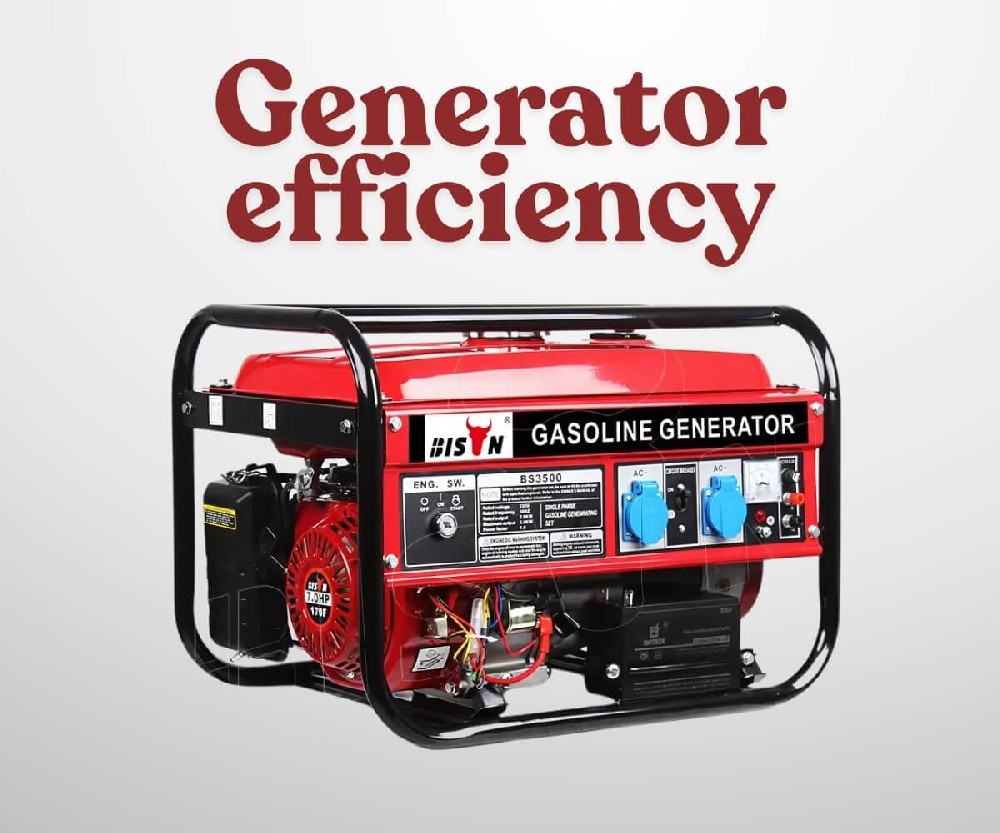
Understanding generator efficiency
Generator efficiency is how well a generator converts the energy from its fuel into usable electricity. Think of it like a funnel – in a perfect world, everything you pour in (fuel energy) would come out as electricity. But in reality, energy is wasted in the form of by-products such as heat, noise, and carbon dioxide.
Efficiency is typically expressed as a percentage. For example, if a generator has an efficiency of 85%, it means that 85% of the energy from the fuel becomes electrical power, while 15% is lost during the conversion process. The higher the percentage, the more efficient the generator.
How is generator efficiency measured?
Generator efficiency is measured using a straightforward ratio. The generator efficiency is calculated using the following formula:
Egen=O/(O+L)∗100%
Where egen is the generator efficiency (%)
O is the generator output (power).
L is the generator losses (power).
To calculate generator efficiency, divide the generator output by the sum of output and losses, then multiply by 100%.
For example, if your generator produces 8.5 kilowatts of electrical power while consuming mechanical power equivalent to 10 kilowatts, its efficiency would be:
(8.5 ÷ 10) × 100 = 85%
Common methods and KPIs for measuring efficiency
Manufacturers and engineers use several methods and key performance indicators (KPIs) to measure and evaluate generator efficiency:
Fuel consumption rate: Measures how much fuel is used per unit of electricity generated, often expressed as liters per kilowatt-hour (L/kWh) or gallons per kilowatt-hour (gal/kWh). Lower numbers indicate better efficiency.
Heat rate: Primarily used for larger generators, this measures the amount of fuel energy needed to generate one kilowatt-hour of electricity. A lower heat rate means higher efficiency.
Load testing: Involves running the generator at different load levels (25%, 50%, 75%, 100% of capacity) and measuring efficiency at each level. This creates an efficiency curve that shows how performance varies with load.
Power factor: Measures how effectively electrical power is being used. A power factor closes to 1.0 indicates efficient power usage.
Specific fuel consumption (SFC): Measures how much fuel is consumed per unit of power output per hour, usually expressed as g/kWh (grams per kilowatt-hour).
Why generator efficiency matters?
Understanding and improving generator efficiency is more than just a matter of technological advancement; it can provide many practical benefits:
Cost savings: A more efficient generator consumes less fuel to produce the same amount of electricity. Even small efficiency gains over time can add up to significant fuel cost savings over time for ongoing operations.
Environmental benefits: Higher efficiency means lower fuel consumption, which translates directly into fewer emissions. As environmental regulations become more stringent, companies are increasingly focused on reducing their carbon footprint.
Extended equipment life: Efficient generators typically run cooler and place less stress on components. This reduced stress can extend the life of the generator and reduce the need for maintenance, saving money on repairs and replacements.
Increased reliability: Generators that run at optimal efficiency typically have fewer failures and performance issues. This higher reliability is critical for businesses such as hospitals, data centers, or manufacturing facilities.
Better performance: Generators that run efficiently provide more consistent power with fewer fluctuations, which is better for sensitive electronics and can prevent damage to connected equipment.
How efficient are diesel generators?
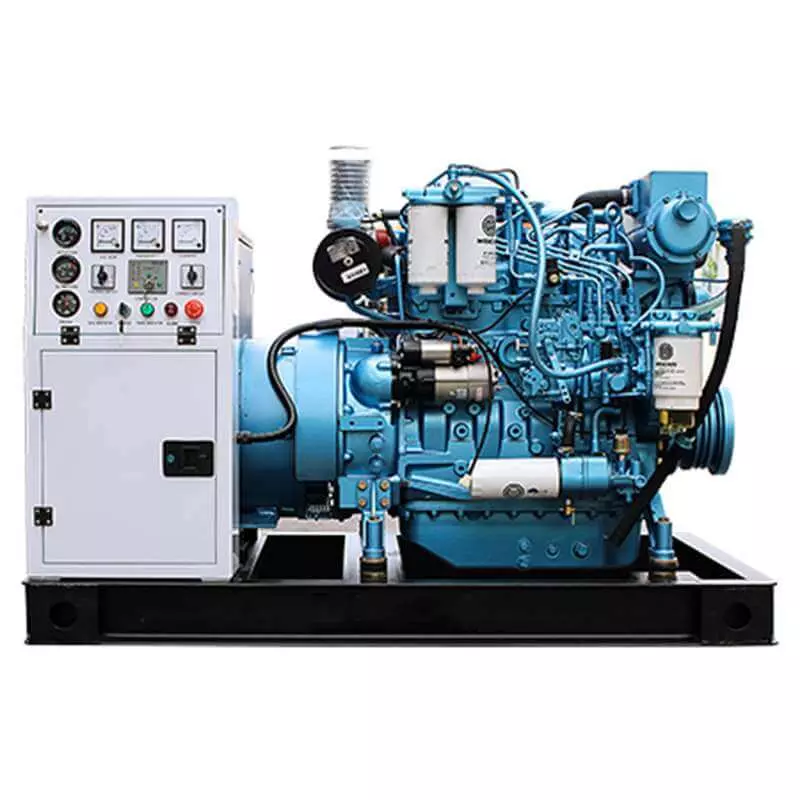
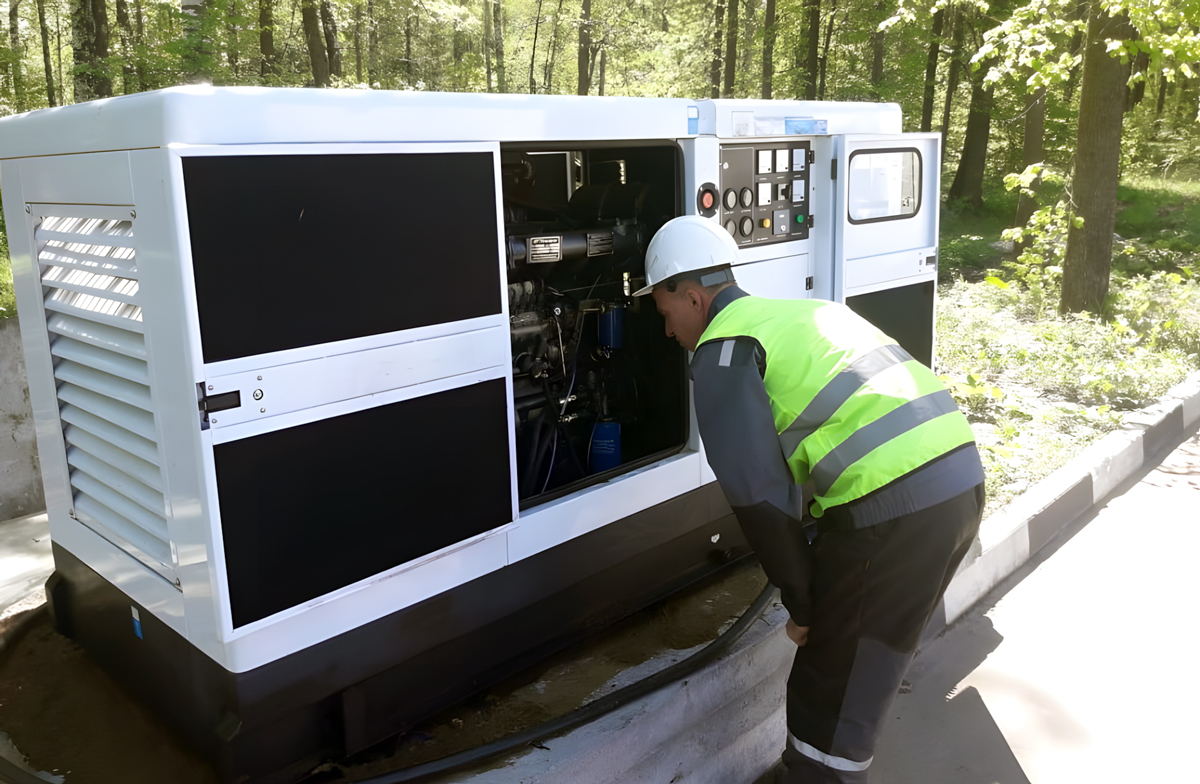
Diesel generators are known for their high efficiency because they use compression to ignite fuel. The diesel engine introduces compressed air and fuel separately. Diesel generators typically operate at about 30-45% efficiency within their designed optimal operating range. As with any mechanical system, energy is lost due to heat and friction.
Advantages:
Higher fuel energy density means more power in a smaller package.
Typically more fuel efficient than gasoline generators.
Longer life, typically 20,000-30,000 hours of operation with proper maintenance.
Better performance under sustained heavy loads.
Efficiency factors:
Modern diesel generators with electronic fuel injection can achieve higher efficiencies.
They reach peak efficiencies of 70-80% of rated capacity.
Turbocharging and intercooling can improve efficiency by improving the air-fuel ratio.
How efficient are gasoline generators?
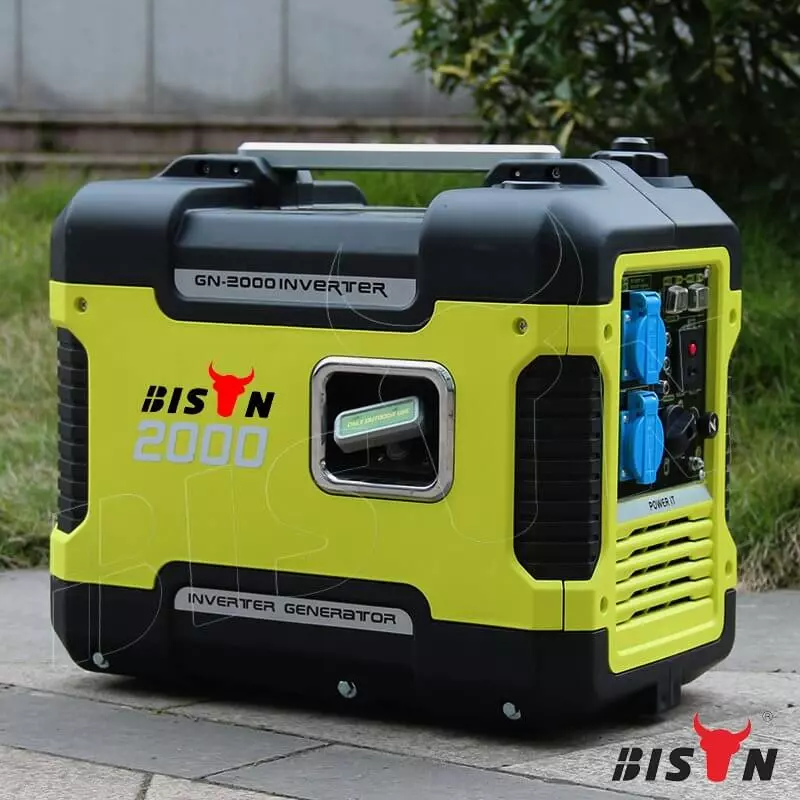
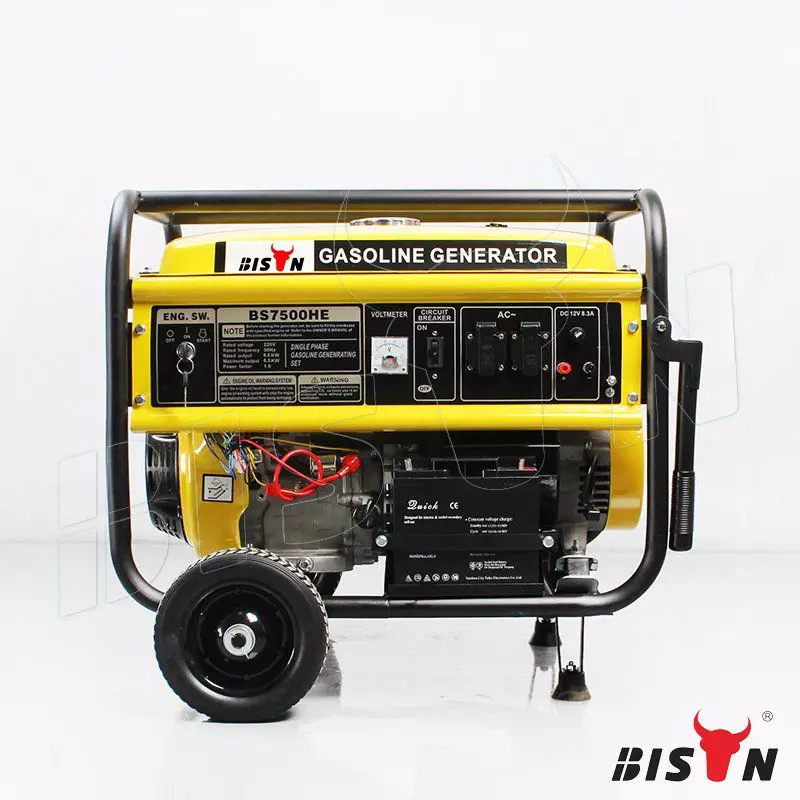
Gasoline generators are commonly used for residential backup power and portable applications. They typically cost less upfront but are less efficient than diesel generators, with efficiencies ranging from about 20-35%
Advantages:
Lower initial purchase cost.
Lighter and more portable.
Easier to start in cold weather.
Quieter operation.
Efficiency factors:
Inverter gasoline generators are more efficient (up to 35-40%).
Less efficient at maintaining constant power under varying loads.
Higher fuel consumption per kilowatt-hour of electricity generated.
Are natural gas generators efficient?
These generators use natural gas or propane, which burn cleaner than diesel or gasoline. However, diesel has a peak energy density about three times that of natural gas (typically 129 BTU vs. 37 BTU). Therefore, even the most efficient natural gas generators cannot outperform diesel generators in terms of efficiency.
Advantages:
Cleaner emissions, less particulate matter.
Fuel can be stored indefinitely (propane) or delivered through existing infrastructure (natural gas).
Lower fuel costs in many areas.
Efficiency factors:
Combined heat and power (CHP) systems can increase overall efficiency to 80-90% by capturing waste heat.
Slightly lower energy density means more fuel is required compared to diesel.
How to improve the efficiency of your generator?
Improving the efficiency of your generator doesn’t always require a major overhaul. Whether you’re a manufacturer or operator, there are several strategies that can help you maximize your generator’s performance. Let’s explore some of the ways you can significantly improve efficiency.
Load conditions: Generators are most efficient when they operate at 70-80% of their rated capacity. Loading too low wastes fuel, while running them constantly at full capacity shortens their life. Proper load management and capacity sizing are essential for optimal performance.
Regular maintenance: Maintenance is essential to maintaining efficiency over the long term. Things like changing the air filter, changing the oil, cleaning the cooling system, and maintaining the fuel system can help maintain generator performance. Regular maintenance can also prevent a gradual loss of efficiency that can occur through neglect.
Generator design and technology: The design of a generator plays a critical role in its efficiency. Quality materials, optimized winding configurations, advanced cooling systems, and smart control technology can improve performance. Modern generators equipped with features like electronic fuel injection and variable speed operation tend to be more efficient.
Environmental conditions: Factors like temperature, altitude, humidity, and air quality can all affect a generator’s performance. Understanding these environmental variables can help better anticipate performance and develop effective mitigation strategies, such as proper installation and protection measures.
Conclusion
Whether you are a homeowner or business owner, optimizing generator efficiency is a step toward a greener, more reliable energy future. Understanding and improving generator efficiency can improve performance, reduce costs, and reduce environmental impact. Regular maintenance and smart load handling are key to improving efficiency.
As a professional generator manufacturer, BISON believes that improving efficiency is one of the most convenient ways to reduce costs, minimize environmental impact, and enhance reliability. By following the principles outlined in this article, you can take full advantage of modern generator technology while operating more economically and responsibly.

Share :